The Ultimate Parent Guide to Choosing Age-Appropriate Toys for 3-Year-Olds
Introduction: Why Toy Selection Matters at Age Three
At age three, children are no longer toddlers but have not yet entered the full preschool stage. This in-between phase—often called the "magic years"—is characterized by explosive language development, refined motor skills, a burgeoning imagination, and an insatiable curiosity about the world. The toys you choose for a 3-year-old can profoundly shape their cognitive, social, emotional, and physical growth. However, the market is flooded with flashy, overstimulating products that may hinder rather than help development. This guide will help you navigate the overwhelming choices, ensuring that every toy you bring home is not only safe and durable but also optimally aligned with your child's developmental stage. By understanding what a 3-year-old is capable of and what they need to practice, you can transform playtime into a rich learning experience while avoiding common pitfalls like choking hazards, frustration, or boredom.
Understanding the Developmental Milestones of a 3-Year-Old
Before purchasing any toy, it is essential to have a clear picture of what a 3-year-old can typically do. Every child develops at their own pace, but the following milestones serve as reliable benchmarks.
*Cognitive and Language Development:* A three-year-old is a language sponge. They can speak in sentences of three to five words, understand simple instructions, and ask endless "why" questions. Their attention span has lengthened to about 6 to 10 minutes for a single activity, and they are beginning to engage in simple pretend play—pretending to feed a doll or "drive" a toy car. They can sort objects by color or shape and understand basic concepts like big/small, up/down, and in/out. This means toys that encourage categorization, naming, sequencing, and simple storytelling will be highly beneficial.
*Gross and Fine Motor Skills:* At this age, children can walk up stairs with alternating feet, run, jump, pedal a tricycle, and throw a ball overhead. Their fine motor skills have improved dramatically: they can hold a crayon with a tripod grasp (though still scribbling), manipulate large buttons, and build towers of up to nine or ten blocks. Toys that promote hand-eye coordination, dexterity, and large muscle movement are ideal. However, avoid toys that require precise pincer grasps or complex assembly, as these may cause frustration.
*Social and Emotional Development:* Three-year-olds are beginning to understand that they are separate individuals with their own wants and feelings, which often leads to power struggles and tantrums. They also start to show empathy—offering a toy to a crying friend—and engage in parallel play alongside peers, gradually moving toward cooperative play. Toys that promote sharing, turn-taking, and simple role-play (like kitchen sets or doctor kits) can nurture these social skills. Remember that at this age, play is still largely self-directed; the child needs to control the play narrative rather than follow rigid rules.
Safety First: Non-Toxic and Durable Materials
No toy, no matter how educational, is appropriate if it compromises a child's safety. At three, children still put objects in their mouths occasionally, especially during teething or when they are tired. Therefore, the first filter for any toy should be physical safety. Look for toys labeled "non-toxic" and "BPA-free." Avoid toys with small parts that could pose a choking hazard—a general rule is that any part smaller than a standard toilet paper roll should be approached with caution. Buttons, batteries, and magnets are particularly dangerous. Also, check for sharp edges, splinters, or loose components that could be pulled off. For outdoor toys, ensure they are made from UV-resistant, weatherproof materials. For wooden toys, opt for those finished with water-based, non-toxic paints or beeswax. Always inspect toys for recalls, especially if purchasing secondhand. Finally, consider the toy's durability: a 3-year-old's play can be vigorous. Flimsy plastic that cracks easily can create sharp shards. Invest in sturdy construction that can withstand being dropped, thrown, and stepped on. This not only extends the toy's life but also reduces the risk of injury.
Types of Toys That Foster Learning and Play
When selecting toys, aim for a balanced mix that supports different domains of development. Here are the key categories every 3-year-old should have access to, along with why each matters.
1. Open-Ended Toys for Creativity and Imagination
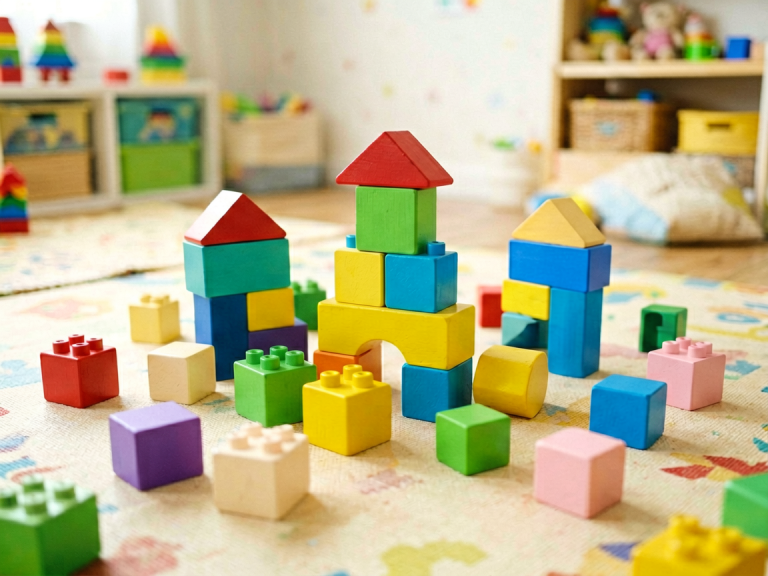
Open-ended toys have no predetermined outcome—they can be used in countless ways. Building blocks (especially large wooden ones), magnetic tiles, play dough, and simple art supplies (crayons, washable markers, large paper, child-safe scissors) are excellent examples. These toys encourage divergent thinking, problem-solving, and creativity. A set of blocks can become a castle, a garage, or a zoo, depending on the child's mood. Play dough can be rolled into snakes, flattened into pancakes, or poked with sticks. Such toys also allow for sensory exploration, which is crucial at this age. Avoid kits that tell the child exactly what to make; instead, provide raw materials and let them lead.
2. Pretend Play Sets for Social and Emotional Growth
Pretend play is the engine of social development at age three. A simple kitchen set with pots, pans, and plastic food can spark hours of "cooking" sessions. A doctor's kit with a stethoscope and bandage allows a child to process a recent doctor's visit. Dolls or stuffed animals with simple clothes and a bed enable nurturing play. When choosing pretend play items, prioritize realistic but safe props—avoid tiny accessories that could be swallowed. Also, consider gender-neutral options; a tool bench or a cash register is just as valuable for a girl as a tea set is for a boy. The goal is to let the child practice adult roles, build empathy, and work through emotions in a safe environment.
3. Puzzles and Games for Cognitive Skills
At three, children can handle puzzles with 8 to 12 large pieces. Wooden knob puzzles that depict animals, vehicles, or daily objects are particularly good because they also strengthen fine motor control. Floor puzzles with bigger pieces encourage cooperation if done with a parent or sibling. Simple board games like "Memory" (with large cards) or "Color Matching" games teach turn-taking, memory, and basic strategy. However, keep game sessions short—if the child loses interest, stop immediately. The goal is fun, not pressure. Also, look for toys that introduce basic math concepts like counting to ten, such as bead counters or nesting cups.
4. Active Play Toys for Physical Development
Three-year-olds have boundless energy. Outdoor toys like a tricycle, a small slide, a balance bike, or a set of large balls (soft balls for tossing, soccer balls for kicking) are essential. Indoors, a simple tunnel or a small climbing dome can provide safe gross motor activity. Jumping on a small trampoline (with a handlebar) is also excellent for coordination and balance, provided there is adult supervision. Active play not only strengthens muscles and improves cardiovascular health but also helps children regulate their emotions—physical exertion is a natural stress reliever. Avoid electronic ride-on toys (battery-powered cars) at this age; they remove the physical effort and can actually stunt motor development.
5. Sensory and Art Toys for Self-Expression
Sensory play is often undervalued, but for a 3-year-old, it is a primary way of understanding the world. Water tables, sand tables, and bins filled with rice or beans (with scoops, funnels, and cups) are fantastic. Finger painting, watercolor painting with large brushes, and stamping with sponges allow children to express feelings they cannot yet verbalize. Remember that the process matters far more than the product—a messy, mixed-color painting is a triumph of exploration. When choosing art supplies, make sure they are non-toxic, washable, and age-appropriate. For instance, crayons should be chunky and easy to grip, not thin pencils.
Top Toy Recommendations for 3-Year-Olds (What to Buy and What to Avoid)
To make your shopping easier, here is a curated list of specific toy types that consistently receive high marks from child development experts for 3-year-olds:
- Duplo Blocks (LEGO Duplo): Larger than standard LEGO, these interlocking blocks are perfect for building and demolishing. They encourage planning, symmetry, and fine motor control.
- Melissa & Doug Wooden Cutting Food Set: This set includes wooden fruits and vegetables that can be "sliced" with a wooden knife. It combines pretend play with hand-eye coordination.
- Fisher-Price Little People Sets: These chunky figures and vehicles are ideal for storytelling and social play. The sets often include farm, school, or airport themes.
- Kinetic Sand or Play-Doh: Look for larger containers and basic tools (rolling pins, cookie cutters). Avoid sets with intricate extruders that require adult help.
- Trike or Balance Bike: A push bike without pedals helps develop balance naturally and is safer than training wheels.
- Simple Musical Instruments: A xylophone, a drum, or a set of maracas allow for auditory exploration and rhythm. Avoid battery-operated "music machines" that just play pre-recorded songs.
- Board Books with Flaps or Textures: While often associated with toddlers, interactive books that involve lifting flaps or feeling different textures hold the attention of 3-year-olds and promote pre-literacy.
What to Avoid:
- Toys with screens or batteries that produce passive entertainment. A toy that talks, sings, or flashes lights independently does not engage the child's creativity; it often turns the child into a passive spectator. If you must buy electronic toys, look for those that respond to the child's input rather than dictating the play.
- Toys that are too advanced. A complex board game with many rules or a construction set with tiny pieces will frustrate the child and lead to tantrums.
- Toys with excessive marketing tie-ins. Character-branded toys (like a Paw Patrol vehicle) often encourage rigid, scripted play instead of imagination. If your child loves a character, it's fine to have one or two items, but don't make it the center of their toy collection.
Tips for Engaging with Your Child During Play
Even the best toy becomes meaningless if it sits untouched in a corner. Parents play a crucial role in modeling how to use toys and in scaffolding the play experience. Here are practical strategies:
- Follow the child's lead. Let your child choose which toy to play with and what to do with it. If they want to use a fire truck in a pretend kitchen, that's creative—don't correct them.
- Use descriptive language. Instead of saying "That's a red car," say "Look at that red car with the big round wheels. Where is it going?" This expands vocabulary and narrative skills.
- Ask open-ended questions. "What are you building?" "What does your doll want for dinner?" "How can we make this tower taller?" These questions invite problem-solving and imagination.
- Resist the urge to "teach." Play is not school. If your child wants to stack blocks in an unstable way, let them discover that it falls. The learning happens through trial and error, not through your instructions.
- Set up the environment for success. Keep toys organized in low, accessible bins so the child can independently choose and clean up. Rotate toys every few weeks to keep interest fresh—you don't need dozens of toys; just a handful that are swapped out regularly.
- Join in, but don't take over. Become a co-player. If your child is pretending to be a doctor, let them give you a check-up. Follow their instructions. This builds confidence and strengthens your bond.
Conclusion: The Gift of Purposeful Play
Choosing age-appropriate toys for a 3-year-old is not about checking off a list of "educational" features or buying the trendiest brand. It is about understanding your child's current abilities and passions, and then providing tools that invite exploration, creativity, and connection. The best toys are those that make room for open-ended possibilities—a cardboard box can become a spaceship, and a pile of leaves can be a kingdom. By prioritizing safety, developmental alignment, and the sheer joy of play, you give your child the greatest gift: the freedom to learn on their own terms. As you fill your home with carefully selected toys, remember that your presence and engagement are the most valuable "toy" of all. Happy playing!