Introduction: Why Toy Choices Matter at Age 9
Title: The Ultimate Parent Guide to Choosing Age-Appropriate Toys for 9-Year-Olds: Balancing Fun, Learning, and Development
—
At nine, children stand at a fascinating crossroads. They are no longer little kids who simply enjoy bright colors and simple cause-and-effect toys, yet they are not quite teenagers craving complex social dynamics. This age is marked by rapid cognitive growth, a budding sense of independence, and a deepening need for peer interaction. The right toy can nurture problem-solving skills, fuel creativity, encourage physical activity, or strengthen friendships. The wrong toy, on the other hand, may bore them quickly or, worse, frustrate them with overly complex instructions or immature themes. This guide will help you navigate the vast toy market by focusing on developmental milestones, safety, and genuine engagement. Remember, the best toy for a 9-year-old is one that respects their growing intellect while still leaving room for pure, unstructured fun.
—
Understanding the 9-Year-Old Mind: Cognitive and Social Milestones
Before you shop, it helps to know what is happening inside your child’s brain. At nine, most children have developed solid reading and math skills. They can follow multi-step instructions, think logically, and understand abstract concepts like cause and effect, time, and even basic strategy. Socially, they crave acceptance from peers and begin to form tight-knit friendships based on shared interests rather than mere proximity. They also start to develop a sense of competence—they want to feel capable and proud of their achievements.
This means toys should challenge but not overwhelm. A 50-piece puzzle might be too easy; a 500-piece one might be too hard unless they already have puzzle experience. Similarly, games that require reading or counting are now fair game, as long as the rules are clear. Keep an eye on your child’s unique interests—some 9-year-olds are deeply into science, others adore fantasy stories, and many are discovering sports or music. The key is to match the toy to their current emotional and cognitive stage, not just their numerical age.
—
Educational & STEM Toys: Fueling Curiosity
STEM (Science, Technology, Engineering, and Math) toys are exceptionally popular for this age group, and for good reason. Nine-year-olds have the attention span and manual dexterity to handle more complex kits. Look for chemistry sets with safe, non-toxic materials that include real experiments (e.g., making slime, growing crystals, or testing pH levels). Robotics kits, such as LEGO Boost or Snap Circuits, allow them to build moving models and learn basic programming logic. These toys do more than teach facts—they teach persistence, troubleshooting, and the thrill of discovery.
Consider also subscription-based science boxes (like KiwiCo or MEL Science) that deliver fresh activities each month. This keeps the learning dynamic and prevents boredom. However, be mindful of frustration: if a kit requires adult help for every step, your child may lose interest. Choose kits labeled for ages 8–12 or 9+ and read reviews from other parents. A good STEM toy should let the child take the lead with minimal hand-holding, while still offering enough complexity to feel rewarding.
—
Creative & Artistic Toys: Encouraging Self-Expression
Creativity blossoms at nine. Many children love drawing, painting, crafting, or writing stories. High-quality art supplies—such as professional-grade colored pencils, watercolor sets, or modeling clay—can inspire hours of focused work. Look for kits that teach specific skills, like how to draw manga characters, make friendship bracelets, or sew simple plush toys. These projects build fine motor skills and give children a tangible sense of accomplishment.
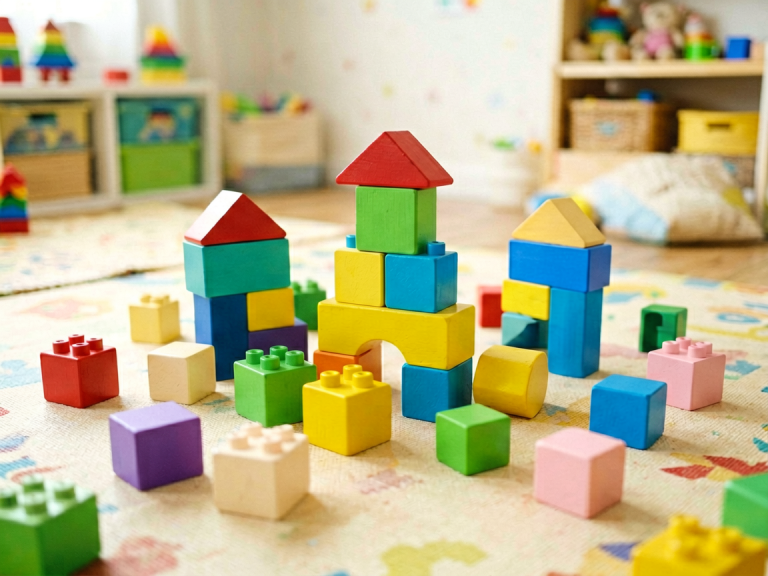
Don’t overlook building and construction toys that aren’t tied to electronics. Advanced LEGO sets (like the Creator or Technic lines) challenge kids to follow complex blueprints and then modify their designs. Magnetic tiles, K’Nex, or wooden marble runs also offer open-ended play. The beauty of creative toys is that they have no “right” answer—a child can feel both free and in control. For the budding writer, consider a blank journal with a lock, or a story-starter card game. These low-tech options are often more engaging than a tablet app because they require active imagination rather than passive consumption.
—
Outdoor & Active Toys: Promoting Physical Health
Nine-year-olds have abundant energy, and physical activity is crucial for their growing bodies and mental health. Outdoor toys should encourage movement while offering a bit of challenge. A good-quality bicycle (with appropriate safety gear) remains a classic choice, as it builds balance and endurance. Scooters, rollerblades, and skateboards (with protective pads) are also popular, but choose models designed for their weight and height.
Team sports equipment—like a soccer ball, basketball hoop, or baseball glove—invites social play with neighbors or teammates. For solo or small-group fun, consider a slackline, a jump rope with handles that track jumps, or a kite that requires assembly and patience. Even simple items like sidewalk chalk for hopscotch or a hula hoop can lead to active, creative play. Remember that many 9-year-olds are also discovering their own athletic interests; a toy that aligns with a sport they love—like a lacrosse stick or a badminton set—can be a gateway to a lifelong hobby.
—
Social & Cooperative Games: Building Friendship Skills
Board games and card games are perfect for 9-year-olds who are learning to take turns, negotiate rules, and handle wins and losses gracefully. Cooperative games—where players work together against the game itself—are especially valuable because they reduce competition anxiety. Examples include “Forbidden Island,” “Castle Panic,” or “Outfoxed!”. Competitive games like “Catan Junior,” “Ticket to Ride: First Journey,” or “Exploding Kittens” can also teach strategy and sportsmanship when played with supportive adults or friends.
Don’t underestimate the power of classic games: chess, checkers, and even a simple deck of cards (for games like Spades or Go Fish) can provide endless entertainment. For larger groups, consider party games like “Pictionary,” “Charades for Kids,” or “Telestrations.” These games strengthen communication and empathy. When choosing, check the recommended age on the box—some “family” games are too complex for 9-year-olds, while others are too childish. Look for a balance of luck and skill so that every player has a fair chance to have fun.
—
Tech & Digital Toys: Smart Screen Time
Technology is part of modern childhood, and banning it entirely is neither realistic nor necessary. The key is to choose tech toys that encourage creation rather than passive consumption. Programmable robots (like Sphero BOLT or Ozobot) teach coding through play. A kid-friendly camera or video camera lets them explore photography and storytelling. Learning tablets designed for older kids (e.g., Amazon Fire Kids Pro) offer curated apps and e-books but also include parental controls for time limits.
If your child enjoys video games, look for titles that involve puzzle-solving, building, or collaboration—such as “Minecraft” (creative mode), “Zelda” games, or “Lego Worlds.” These games can improve spatial reasoning and planning. Avoid games that have violent or addictive mechanics (like endless loot boxes). Set clear screen-time rules and, whenever possible, play alongside your child. Finally, consider subscription-based coding courses or robotics clubs that turn screen time into skill-building time.
—
Safety and Practical Considerations
Even at nine, safety matters. Always check for small parts that could be choking hazards if younger siblings are around. Look for non-toxic materials, especially in art supplies and science kits. Ensure outdoor gear fits properly (helmets, pads) and that batteries in electronic toys are secure. Consider the noise level—toys with loud sounds or flashing lights might be fun briefly but can cause overstimulation.
Also, think about storage and durability. Nine-year-olds are often messy, so toys that are easy to clean (like washable markers) or that come with sturdy storage boxes are a bonus. Avoid toys with dozens of tiny pieces that are easily lost unless your child is already organized. Finally, be mindful of your budget: the most expensive toy is not always the best. A simple set of good-quality art supplies or a well-chosen board game can bring more joy than a flashy gadget that breaks in a month.
—
Conclusion: Letting Interests Lead the Way
The best parent guide to choosing toys for a 9-year-old is, ultimately, your own knowledge of your child. Observe what they talk about, what they draw, and what they complain about being “boring.” Do they love building intricate forts? A construction toy set. Do they hum tunes all day? A musical instrument like a keyboard or ukulele. Do they beg to play with friends every afternoon? Cooperative board games or sports gear.
Age-appropriate doesn’t mean age-restrictive. Some 9-year-olds are ready for advanced strategy games; others prefer imaginative role-play with dolls or action figures. Both are fine. The goal is to provide toys that spark joy, foster growth, and above all, make childhood a rich, playful adventure. Trust your child’s curiosity, keep an open mind, and remember that the best toy is not the one with the most features—it’s the one that keeps them coming back for more.