Teaching Independent Play to Babies: A Step-by-Step Guide for Parents
Introduction
Independent play is a cornerstone of early childhood development. For babies, the ability to entertain themselves for short periods fosters creativity, problem-solving skills, and emotional resilience. However, many parents find the concept daunting—how do you teach a tiny human who relies on you for everything to play alone? The key is not to force solitude but to gradually build a safe, supportive environment where independent exploration feels natural. This guide breaks down the process into manageable stages, offering practical tips for parents of infants from birth to 18 months.
## 1. Understanding Why Independent Play Matters
Before diving into techniques, it’s important to recognize the benefits. Independent play allows babies to:
- Develop self-regulation: When a baby learns to calm themselves while playing with a toy, they build the foundation for emotional control.
- Enhance cognitive skills: Uninterrupted exploration encourages curiosity, cause-and-effect reasoning, and sustained attention.
- Boost confidence: Successfully engaging with an object without adult intervention gives a sense of mastery.
- Support motor development: Reaching, grasping, and manipulating toys strengthen fine and gross motor skills.
Research shows that even infants as young as 3 months can engage in brief bouts of independent play. The goal is not to replace parent–baby interaction but to supplement it, creating a balance that respects the baby’s emerging autonomy.
## 2. Setting the Stage: Creating a Safe and Inviting Environment
A baby cannot play independently if they feel unsafe or are constantly disrupted. The physical space must be carefully prepared.
### 2.1 Choose a Safe, Contained Area
Use a playpen, a baby-proofed room, or a large mat with soft borders. The area should be free from hazards like sharp edges, loose cords, or small choking objects. A contained space gives the baby a clear boundary and reduces your need to hover.
### 2.2 Limit Distractions
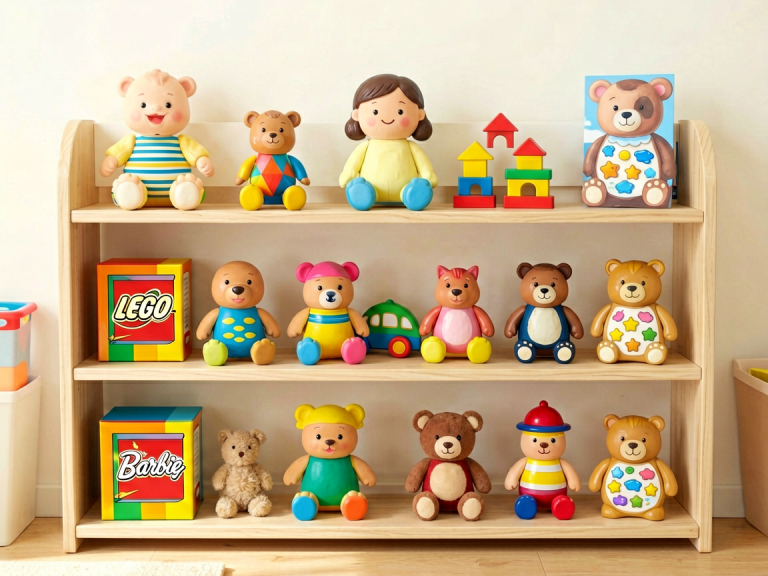
A toy scatter is overwhelming. Rotate toys—offer only three to five items at a time. Place them within easy reach. Too many choices can lead to frustration; too few may bore the baby. Observe what your baby is currently interested in (e.g., rattles, soft blocks, crinkle books) and leave those out.
### 2.3 Adjust Lighting and Noise
Natural light is best, but avoid harsh direct sun. Keep background noise low—turn off the TV or loud music. Soft white noise (like a fan) can be calming, but silence is fine. The goal is to help the baby focus on the toys, not on environmental stimuli.
## 3. Step-by-Step Techniques for Teaching Independent Play
Every baby is different, but these general strategies work across age groups. The principle is gradual withdrawal: start with high involvement, then slowly reduce your presence.
### 3.1 Start with “Parallel Play” (Birth–6 Months)
For newborns and young infants, independent play is measured in seconds rather than minutes. Begin by laying the baby on a play mat or tummy time blanket. Sit beside them, but do not interact actively. Instead, narrate softly or hum. Let the baby watch your face, then look away to observe a mobile or toy. This teaches them that you are nearby even when not directly engaging.
Example activity: Place a high-contrast black-and-white card 8 inches from the baby’s face. Let them stare. After 30 seconds, slowly turn your head to the side. The baby will learn to continue focusing even when you are less involved.
### 3.2 Introduce “Structured Solo Time” (6–12 Months)
Once babies can sit up and reach for objects, they are ready for longer solo play. Position yourself a few feet away—be visible but not in the play zone. Use a specific cue, such as “Mommy is reading her book now, you play with your blocks.” Then remain quiet. If the baby cries or looks for you, wait a few seconds before responding. This brief pause teaches them that a small delay does not mean abandonment.
Key tip: If the baby becomes frustrated, help them restart the play (e.g., show how to stack a block) and then step back again. Do not take over completely.
### 3.3 Use “In-and-Out” Presence (12–18 Months)
Toddlers often want to check that you are still there. Play a game of “disappearing and reappearing” during play. For example, set the baby up with a toy kitchen. Say, “I’m going to peek in the other room, I’ll be right back.” Walk out of sight for 10–15 seconds, then return with a smile. Gradually extend the time to 1–2 minutes. This builds trust and reduces separation anxiety.
### 3.4 Follow the Baby’s Lead
Watch what your baby chooses to do. If they are fascinated by a spoon and a cup, don’t redirect them to the “correct” toy. Let them experiment. Your calm presence is enough; you don’t need to entertain. Sometimes the best teaching is doing nothing.
## 4. Common Challenges and How to Overcome Them
Even with the best preparation, babies will resist. Here are typical obstacles and solutions.
### 4.1 The Baby Cries Immediately
This is normal. Cry is a baby’s communication tool. Distinguish between a “want” cry (need for entertainment) and a “need” cry (hunger, diaper, pain). If it’s the former, try the “pause and soothe” method: walk over, make eye contact, say, “You’re okay, keep playing,” then pat the toy and walk away again. Do not pick up immediately. If the crying escalates, of course attend to the need—never let independent play become neglect.
### 4.2 The Baby Keeps Crawling to You
If your mobile baby constantly crawls toward you, gently redirect without words. Place them back in the play area and point to a toy. If they still resist, sit on the floor near them but face away (e.g., read a magazine). This partial withdrawal often works because the baby can see you but learns that you are not available for play.
### 4.3 Short Attention Spans
Babies have short attention spans by design. A 6-month-old might play alone for only 3–5 minutes; that is success. Do not force longer sessions. Instead, have several short independent play periods throughout the day. Over weeks and months, the duration will naturally increase.
## 5. The Role of the Parent: Be a Play Facilitator, Not a Director
A common mistake is treating independent play as a goal to be achieved through strict training. Instead, think of yourself as a gentle guide.
### 5.1 Model Independent Activity
Babies learn by imitation. When you read, fold laundry, or sip tea near them, they see that quiet solo activities are normal. Use the same play area for your own focused tasks. This co-occupancy normalizes “doing your own thing” side by side.
### 5.2 Avoid Overpraising or Interrupting
When the baby is deeply engaged, do not clap or say “good job!” This breaks their concentration. Save praise for after they naturally finish a play sequence. Let the internal reward (the joy of discovery) be the primary motivator.
### 5.3 Respect the Baby’s Mood
Some days a baby will want constant interaction. That’s fine. Forcing independent play on an overtired or clingy day will backfire. Look for windows of alert calm—often right after a nap or feeding. If the baby is fussy, skip that session and try later.
## 6. Age-Appropriate Toys That Encourage Independence
The right toys can make or break the experience. Choose toys that respond to the baby’s actions without requiring adult help.
- 0–3 months: Black-and-white contrast cards, an unbreakable mirror, soft rattles that are easy to grasp.
- 3–6 months: Baby gym with hanging objects, crinkle toys, teething rings. Encourage reaching and batting.
- 6–9 months: Stacking cups, soft blocks, cause-and-effect toys (e.g., a pop-up toy that requires a button press).
- 9–12 months: Shape sorters with large pieces, board books, push-and-pull toys.
- 12–18 months: Puzzles with knobs, pretend-play items (a phone, a doll), stacking rings.
Important: Rotate toys weekly to maintain novelty. Store half away and swap. This keeps the baby interested and reduces overstimulation.
## 7. A Sample Routine for Building Independent Play
Here is a loose daily structure for a 10-month-old:
- Morning (after first nap): Place baby on play mat with three sensory toys. Sit 2 feet away and drink your coffee. Stay silent for 5–8 minutes. If baby is content, let it run 10 minutes.
- Midday (before lunch): Tummy time with a mirror. Lie near but face away. Encourage baby to push up and look at themselves.
- Afternoon (after second nap): Provide a container of stacking cups. Do a “Peek-a-Boo” variation—hide a cup under a cloth, let baby find it. Then step back to let them repeat the action alone.
Total independent play time per day: 20–30 minutes, broken into increments. That is developmentally appropriate and will gradually expand.
Conclusion
Teaching independent play to babies is not about leaving them to fend for themselves. It is about creating a loving, predictable environment where they feel safe enough to explore their own capabilities. Start small, be patient, and trust the process. The benefits—a calmer parent, a more focused child, and a growing sense of autonomy—are well worth the effort. Remember: you are not teaching your baby to play alone; you are teaching them that they are capable of enjoying their own company. That is a gift that lasts a lifetime.