Nurturing Young Minds: A Parent’s Guide to Supporting Learning at Home for Toddlers
Introduction: The Toddler Brain – A World of Discovery
Toddlers are natural explorers. Between the ages of one and three, their brains are developing at an astonishing rate, forming millions of neural connections every second. Every sound they hear, every object they touch, and every interaction they have builds the foundation for future learning. As a parent, you are your child’s first and most influential teacher. The good news is that you don’t need expensive toys or formal lesson plans to support this growth. With intention, patience, and a few simple strategies, you can transform your home into a rich learning environment that nurtures curiosity, language, motor skills, and emotional intelligence. This guide will walk you through practical, research-backed ways to make everyday moments meaningful learning opportunities for your toddler.
—
Creating a Learning-Rich Environment at Home
The physical space in which your toddler spends time plays a crucial role in their development. A learning-rich environment doesn’t mean a room cluttered with educational posters and flashcards. Instead, think of it as an inviting, safe space that encourages independent exploration.
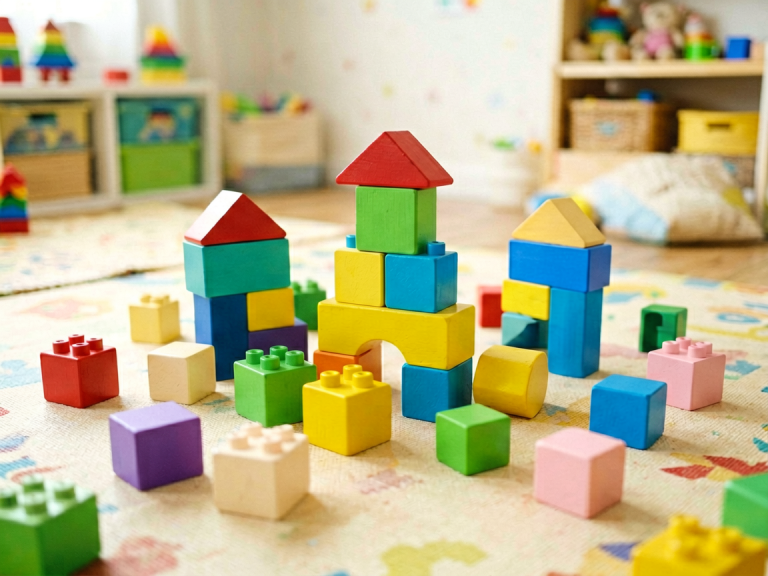
Start by making key areas of your home accessible. Place low shelves with a few carefully chosen toys – wooden blocks, stacking cups, simple puzzles, and board books – within your child’s reach. Rotate these items every week or two to maintain novelty and sustain interest. Create a designated “yes space” – a gated area where your toddler can move freely without hearing constant “no’s.” In this space, everything should be safe to touch, mouth, and explore. For example, attach a small mirror at eye level, provide fabric scraps of different textures, and include a child-sized table for art or snack time.
Natural materials, such as wooden spoons, large pinecones, or unbreakable bowls, often captivate toddlers more than plastic battery-operated toys. These objects invite open-ended play: a wooden spoon can become a drumstick, a stirring tool, or a pretend phone. The goal is to stimulate sensory exploration and problem-solving, not passive entertainment. Remember to keep the environment tidy but not sterile – a little “controlled chaos” encourages creativity.
—
The Power of Play: Learning Through Everyday Activities
For a toddler, play is not a break from learning – it *is* learning. Through play, children develop cognitive skills, social understanding, and physical coordination. Your role as a parent is to observe, join in when invited, and provide gentle scaffolding.
One of the most effective play strategies is “serve and return” interaction. When your toddler points to a dog and says “dog,” you can respond by saying, “Yes, that’s a brown dog! The dog is wagging its tail.” This back-and-forth conversation builds vocabulary and teaches turn-taking. Similarly, when your child builds a tower of blocks and it falls, resist the urge to fix it immediately. Instead, say, “Whoa, it tumbled! Shall we try a wider base?” These small moments teach resilience and problem-solving.
Imaginative play also flourishes at this age. Provide dress-up clothes (a hat, a scarf, an old purse), a toy kitchen, or a cardboard box that can become a car, a boat, or a cave. Join your child in their imaginary world – if they offer you a pretend cup of tea, take it and say “thank you.” This validates their creativity and strengthens your bond. Remember, the best “toy” for a toddler is often a parent who is fully present, making eye contact, and following the child’s lead.
—
Language Development: Talking, Reading, and Singing
Language explosion typically occurs between 18 and 24 months. You can fuel this growth by turning everyday routines into language-rich experiences. Narrate your actions as you go through the day: “I’m putting the red apple into the shopping bag. Now we’re peeling the banana. See? It’s soft and yellow.” This “self-talk” exposes your child to sentence structure and vocabulary in a natural context.
Reading together is a cornerstone of early literacy. Choose sturdy board books with bright, simple illustrations and repetitive text. Don’t feel you must read every word – point to pictures, ask questions (“Where’s the cat?”), and let your toddler turn the pages (even if they skip a few). Reread favorite books many times; repetition builds neural pathways and a sense of security. Singing nursery rhymes and silly songs also supports phonological awareness. Clap along to the rhythm, and leave out a word for your child to fill in – for example, “Twinkle, twinkle, little ____.” This turns singing into a playful game.
For bilingual or multilingual families, continue using your home language(s) confidently. Research shows that bilingual toddlers may have smaller vocabularies in each language initially, but their overall cognitive flexibility is enhanced. Consistency and exposure are key.
—
Building Cognitive Skills: Simple Puzzles, Sorting, and Matching
Toddlers are beginning to understand concepts like size, shape, color, and quantity. You can introduce these through hands-on activities that feel like games.
Start with one-piece puzzles (shapes that fit into corresponding holes). Guide your child’s hand to show them how to turn the piece if it doesn’t fit. Gradually move to two- or three-piece puzzles. Sorting activities are equally valuable: collect a handful of large buttons or colored pompoms and encourage your toddler to put all the red ones in one bowl and the blue ones in another. At first, they may need you to model the activity. Use simple language: “Red goes here. Blue goes there.”
Counting can be woven into daily life: “Let’s count your toes – one, two, three, four, five!” or “How many crackers do you have? One… two!” Don’t expect mastery; the goal is exposure to number words in a meaningful context. You can also play “hide and find” – hide a toy under a cup and ask, “Where did it go?” Then lift the cup. This teaches object permanence and memory.
—
Social and Emotional Growth: Routines, Empathy, and Independence
A toddler’s emotional world is intense. They experience joy, frustration, anger, and attachment in rapid succession. Your calm, predictable presence is their anchor. Establishing simple daily routines – morning wake-up, mealtime, bath, bedtime – provides a sense of security that frees their brain for learning.
During moments of tantrum or frustration, use emotion coaching: “I see you’re angry because the block fell. It’s okay to be angry. Let’s take a deep breath together.” Labeling emotions helps toddlers develop self-awareness and vocabulary for feelings. Reading books about emotions, like *The Feelings Book* by Todd Parr, can also open conversations.
Encourage independence by offering limited choices: “Do you want the red cup or the blue cup?” or “Should we put on your shoes first or your jacket first?” These small decisions build confidence and decision-making skills. When your toddler helps with simple tasks – putting a napkin on the table, throwing a tissue in the trash – praise the effort (“You helped! Thank you!”) rather than the outcome. This fosters a growth mindset.
—
Fine and Gross Motor Skills: Activities for Little Hands and Bodies
Physical development and cognitive development are deeply intertwined. Fine motor skills – using small muscles in the hands and fingers – prepare a child for writing later on. Gross motor skills – running, jumping, climbing – build strength, balance, and spatial awareness.
For fine motor practice, offer activities like:
- Tearing paper into strips (then gluing them onto a larger sheet)
- Poking pipe cleaners into the holes of a colander
- Scooping dried beans or rice with a spoon from one bowl to another
- Drawing with chunky crayons or finger painting (use washable, non-toxic materials)
For gross motor skills, clear a safe space indoors or go outside daily. Allow your toddler to climb low cushions, crawl through a cardboard tunnel, or walk along a low balance beam (a piece of masking tape on the floor works well). Dancing to music, marching, and throwing soft balls are excellent for coordination. Remember: toddlers need plenty of opportunities to move – avoid keeping them in a high chair or stroller for extended periods.
—
Screen Time and Technology: Balancing Digital Learning
The American Academy of Pediatrics recommends avoiding screen time for children under 18 months (except for video calls) and limiting it to one hour per day of high-quality programming for children up to age 5. For toddlers, real-world interaction is far more beneficial than digital media. However, if you choose to use screens, do so intentionally.
Watch together and talk about what you see. For example, if you watch a short video about animals, pause and ask, “What sound does the cow make?” Choose ad-free, slow-paced content like *Mister Rogers’ Neighborhood* or *Bluey*, which model social skills and creativity. Avoid fast-paced, flashy shows that overstimulate the brain. After screen time, try to connect the experience to a hands-on activity – draw a picture of the animal you saw, or pretend to be the characters. The key is to make screen time interactive, not passive.
—
The Parent’s Role: Patience, Observation, and Encouragement
Perhaps the most important element of your guide is your own mindset. Toddlers learn best when they feel safe, loved, and free to make mistakes. Avoid comparing your child’s milestones to others’. Development is not a race; some toddlers talk late but excel at physical skills, and vice versa.
Practice observation without judgment. Sit on the floor and simply watch your child play. Notice what they are drawn to – blocks, cars, or pretend play? Follow their interests. If your child wants to dump all the toys out, that is a form of exploration (cause and effect). Before saying “no,” ask yourself: Is this dangerous? If not, let them explore.
Celebrate small efforts. When your toddler tries to put on their own sock and fails, say, “You tried so hard! Let’s try together.” Avoid over-praising (“You’re so smart!”) because it can create fixed mindsets. Instead, praise the process: “You worked hard to stack those blocks high.” This teaches resilience.
Finally, take care of yourself. A calm, rested parent is a more patient teacher. It’s okay to have days when you do nothing “educational” except snuggle and laugh. Those moments are profoundly educational for your child’s emotional well-being.
—
Conclusion: Every Moment is a Learning Opportunity
Supporting your toddler’s learning at home does not require a curriculum or a transformed schedule. It requires you – your presence, your voice, your lap, and your willingness to see the world through their eyes. A trip to the grocery store is a lesson in colors, textures, and social interaction. Folding laundry teaches matching and sorting. Bath time introduces concepts of volume, floating, and sinking. The mess, the repetition, the endless questions – these are the fertile ground where a love for learning takes root.
Trust yourself. You already know more than you think. And as you guide your toddler through these early years, you will discover that you are learning, too – about patience, wonder, and the extraordinary capacity of a young brain. Enjoy the journey.