Unlocking Imagination: The Power of Open-Ended Play Activities for Preschoolers
Introduction
In an age where screens dominate and structured extracurriculars fill every afternoon, the simple act of unstructured, open-ended play for preschoolers is often undervalued. Yet early childhood educators and developmental psychologists consistently emphasize that open-ended play—where there is no single “right” answer, no fixed instruction, and no predetermined outcome—is one of the most powerful tools for nurturing cognitive flexibility, social competence, language development, and emotional resilience in children aged three to five. Unlike closed-ended toys that beep, blink, and prescribe a specific use, open-ended play activities invite children to explore, experiment, invent, and direct their own learning. This article delves into what open-ended play truly means, why it is critical for preschoolers, and offers a rich collection of practical, low-cost activities that parents, caregivers, and educators can implement at home or in the classroom. By embracing the mess, the uncertainty, and the boundless creativity of open-ended play, we give children the freedom to become confident, curious, and resourceful learners.
What Is Open-Ended Play?
Open-ended play is any play scenario in which the child, not the toy or the adult, controls the direction and purpose of the activity. There are no fixed rules, no step-by-step instructions, and no correct final product. A cardboard box can become a spaceship, a cave, a car, or a castle—depending on the child’s evolving imagination. A handful of wooden blocks can be stacked into a tower, arranged into a pattern, or sorted by color and size. The key characteristic is that the materials are flexible and can be used in many different ways. In contrast, a battery-operated toy that only makes a specific sound when a button is pressed offers limited opportunities for creative exploration. Open-ended materials—such as sand, water, clay, loose parts, fabric scraps, natural objects, and art supplies—invite children to ask “what if?” and to test their own theories. This type of play is intrinsically motivated, meaning the child plays for the joy of playing, not for an external reward.
Why Open-Ended Play Matters for Preschoolers
The preschool years are a period of explosive brain development. Neural connections are formed at a rapid rate, and children are building the foundational skills for later academic success and lifelong learning. Open-ended play directly supports several critical domains:
Cognitive Development and Problem-Solving
When a child builds a bridge from blocks and it collapses, they must analyze why it fell and try a new approach. This trial-and-error process strengthens executive function skills—working memory, cognitive flexibility, and inhibitory control. Unlike worksheets that have only one correct answer, open-ended play presents countless problems to solve. How can I make this ramp steeper? How many stones does it take to fill this bucket? These self-generated challenges encourage persistence and creative thinking.
Language and Communication
During open-ended play, children often narrate their actions, negotiate roles with peers, and create elaborate storylines. A child pretending to be a chef in a mud kitchen must describe the “recipe” to a friend. Another child building a fort might explain the rules of entry. This natural context for language use is far richer than drill-based vocabulary exercises. Research shows that children who engage in frequent pretend play develop stronger narrative skills, more complex sentence structures, and a wider vocabulary.
Social and Emotional Growth
Open-ended play frequently involves collaboration. Preschoolers must learn to share materials, resolve conflicts over roles (e.g., “I want to be the doctor, not the patient”), and take turns. They also practice empathy by stepping into different characters’ shoes. The process of negotiating and compromising builds emotional regulation. When a tower falls, the child experiences disappointment but also gains a chance to practice self-calming and persistence—skills that are essential for coping with frustration later in life.
Physical Development
Manipulating loose parts—pouring water, rolling dough, threading beads, stacking blocks—develops fine motor skills and hand-eye coordination. Large-scale activities like moving heavy cardboard boxes, digging in a sandpit, or climbing on a playground structure build gross motor strength and body awareness.
Practical Open-Ended Play Activities for Preschoolers
Here are ten open-ended play ideas that require minimal cost and preparation, yet offer maximum learning potential. Each activity can be adapted to the child’s age and interests.
1. The Loose Parts Treasure Basket
Gather a collection of everyday objects: corks, bottle caps, wooden rings, fabric squares, pinecones, seashells, large buttons, and pieces of ribbon. Place them in a shallow basket or tray. A preschooler can sort, stack, line up, or simply examine these items. The lack of a predetermined purpose encourages them to invent games: “These corks are logs for a fairy house” or “The blue button is a swimming pool.” Over time, rotate the objects to maintain novelty. This activity is particularly powerful for developing fine motor skills, classification, and imaginative thinking.
2. DIY Play Dough or Clay
Commercial play dough is fine, but homemade dough (flour, salt, water, cream of tartar, oil, and food coloring) allows you to control texture and scent. Provide no cookie cutters or rolling pins with fixed shapes—instead, offer sticks, shells, twigs, plastic knives, and small stones. Children will naturally roll, pinch, flatten, and sculpt. They might make a model of a dinosaur, a pizza, or a mountain. The key is to resist the urge to demonstrate “how to make a cat.” Let them discover.
3. Water and Sand Play
A simple tray or tub with water and sand (or mud) is endlessly captivating. Add cups, funnels, sieves, spoons, and small plastic animals. Children experiment with volume, cause and effect (what happens when I pour water into sand?), and sensory exploration. This activity also supports early math concepts like full/empty, heavy/light, and measurement. If outdoors, a small water table or a sandbox becomes a stage for elaborate pretend scenarios: building a dam for toy fish, making a “soup” with leaves and pebbles.
4. Cardboard Box Creations
A large cardboard box is the ultimate open-ended material. Provide nontoxic markers, tape, scissors (with supervision), and fabric scraps. The box might become a rocket ship, a telephone booth, a house, a car, or a time machine. Children can draw windows, cut doors, and attach a “steering wheel” from a paper plate. The process of planning and constructing a three-dimensional space enhances spatial reasoning and storytelling.
5. Nature’s Gallery
Take a walk outdoors and collect leaves, sticks, acorns, flower petals, and smooth stones. Back home, spread them on a tray with a large piece of paper. Offer no instructions—simply let the child arrange, glue, or paint the natural treasures. They might create a “forest floor” diorama, a pattern of leaves sorted by color, or a self-portrait using stones for eyes. This activity connects children with nature while practicing observation and artistic expression.
6. Dress-Up and Role Play
Set out a box of old clothes, hats, scarves, shoes, and props (plastic phone, empty food containers, doctor’s kit). Leave the theme open. One day the child is a firefighter, the next day a chef, the next a superhero. Role play is arguably the richest form of open-ended play because it incorporates language, social interaction, and emotional exploration. Adults should step back and follow the child’s lead—offer a simple question like “What happens next?” rather than directing the story.
7. Block and Construction Play
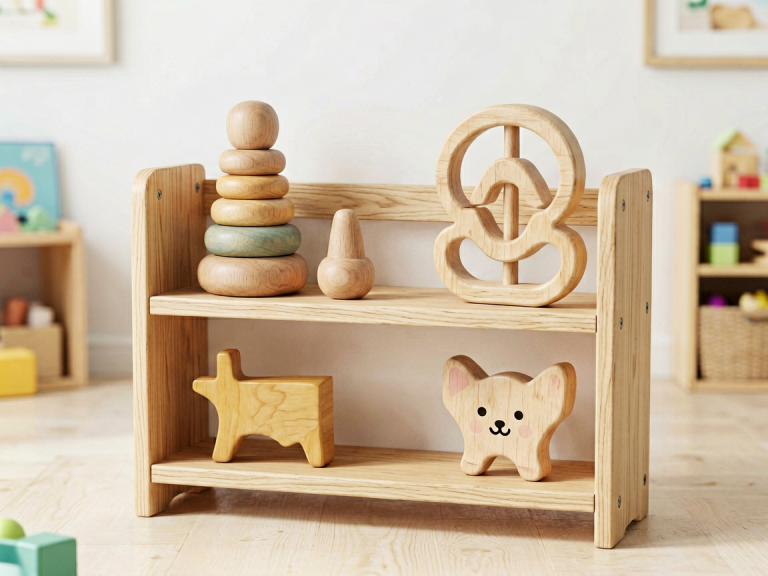
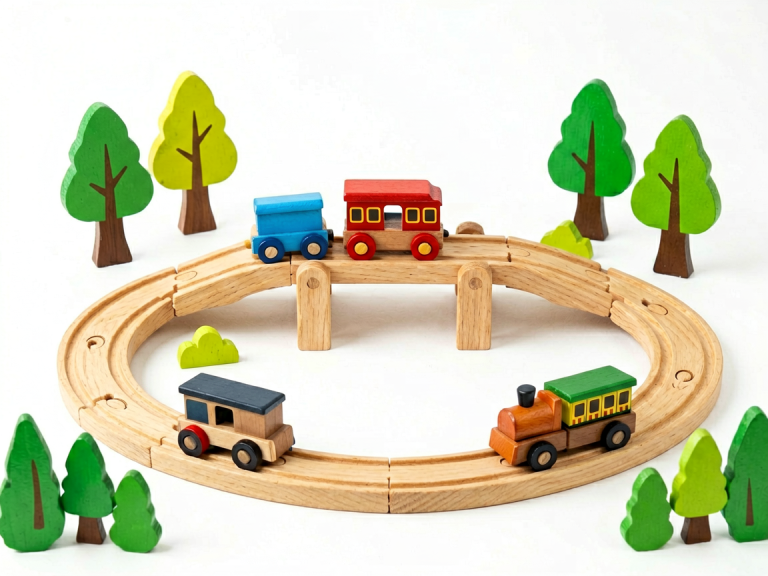
Wooden unit blocks, foam blocks, or even recycled milk cartons can be used. Provide a flat surface and let the child build. Some days they may construct a tall tower; other days they might create a maze for toy cars. The beauty of blocks is that they teach balance, symmetry, and basic physics. To keep it open-ended, avoid showing a picture of a finished castle. Instead, say, “I wonder what you will build today.”
8. Art with No End Product
Forget coloring books and paint-by-numbers. Provide paper, washable tempera paints, brushes, sponges, and fingers (yes, finger painting!). The goal is process, not product. Children mix colors, make lines, swirls, and dots. They might paint a “landscape” or just enjoy the sensation of gooey paint on their fingers. Ask open-ended questions: “Tell me about your painting” rather than “Is that a flower?” This fosters creative confidence.
9. Music and Sound Exploration
Collect pots, pans, wooden spoons, plastic containers, dried beans in a sealed bottle, and bells. Let the child create rhythms and explore sounds. There is no right way to “play” these objects. Children experiment with loud/soft, fast/slow, and discover cause-and-effect relationships. Adding a simple dance component (free movement to their own beats) supports gross motor development and emotional expression.
10. Small World Play
Set up a tray with a small mirror (for a “pond”), some grass, small blocks, and plastic animals or people. The child creates their own miniature world. This type of play is deeply narrative—children invent stories, introduce conflict, and resolve problems (e.g., “The bear is lost and needs to find his way home”). Small world play is especially powerful for language development and understanding social dynamics.
The Role of the Adult: Facilitating Without Directing
The greatest gift an adult can give during open-ended play is to step back and observe. Resist the urge to “fix” a leaning tower or to suggest a “better” way to use a material. Instead, provide the environment: a safe space, accessible materials, and uninterrupted time. A four-year-old needs at least 45–60 minutes of sustained play to become fully immersed. Adults can offer co-play by taking a role the child assigns (e.g., “You be the customer; I’ll be the chef”), but avoid taking over. Use descriptive language: “I see you put the red block on top of the blue one.” This validates the child’s choices without imposing judgment. If a child becomes frustrated, a calm “What could you try next?” invites problem-solving.
Overcoming Common Barriers
Many parents worry that open-ended play is messy (it can be!) or that their child might “get bored.” Boredom, however, is often the precursor to creativity. If a child says, “I don’t know what to do,” resist the urge to provide a scripted activity. Instead, invite them to look at the materials again: “What do you wonder about these blocks?” Alternatively, add a new element—a flashlight, a scarf, a cardboard tube—to spark new ideas. Let the child struggle productively for a while; this builds resilience. As for mess, set clear boundaries: paint only on the tray, sand stays in the sandbox. Involve the child in cleanup as part of the play—pouring water into a tub and wiping spills can be surprisingly fun.
Conclusion
Open-ended play is not merely a pastime; it is the work of early childhood. Through self-directed exploration, preschoolers build the neural pathways that underpin advanced thinking, creativity, and emotional intelligence. They learn that they are competent problem-solvers, imaginative storytellers, and valued collaborators. The activities described here are just starting points—the real magic happens when children take the reins and transform a pile of sticks into a world of their own. As parents and educators, our most important task is to trust the process, provide rich raw materials, and then step aside. By protecting the time and space for open-ended play, we are giving preschoolers the greatest gift: the opportunity to discover that learning is joyful, limitless, and entirely their own.