Unlocking Potential: Early Learning Activities at Home for Holistic Child Development
The early years of a child’s life are a period of extraordinary growth, during which the brain develops more rapidly than at any other stage. While formal education begins later, the foundation for lifelong learning is built at home long before a child steps into a classroom. Parents and caregivers play the most critical role in this process, not by becoming teachers in the traditional sense, but by creating an environment rich with opportunities for exploration, play, and meaningful interaction. Early learning activities at home do not need to be expensive, complex, or time-consuming; they simply need to be intentional, engaging, and developmentally appropriate. This article provides a comprehensive guide to designing and implementing effective early learning activities at home, emphasizing the importance of play, routine, and responsive caregiving.
The Importance of Early Learning in the Home Environment
Why Home Is the First Classroom
The home is the most natural and comfortable setting for a young child to learn. Unlike a structured classroom, the home offers the security of familiar faces, routines, and objects. This sense of safety allows children to take risks, ask questions, and make mistakes without fear—key ingredients for cognitive and emotional development. Research in developmental psychology consistently shows that the quality of the home learning environment has a direct impact on a child’s language development, executive function skills, and social-emotional competence. A home filled with conversations, books, and hands-on activities fosters curiosity and a love for learning that extends far beyond childhood.
The Role of Parents as Facilitators
Parents do not need to have educational degrees to be effective early learning facilitators. What matters most is their presence, responsiveness, and willingness to follow the child’s lead. When a parent kneels down to examine a caterpillar with a toddler, or sings a silly song while changing a diaper, they are engaging in powerful early learning activities. The key is to recognize that learning happens in every moment—during meals, bath time, walks, and even while waiting in line. By intentionally turning these everyday moments into opportunities for observation, communication, and problem-solving, parents can seamlessly integrate learning into daily life without adding extra pressure or structured “lessons.”
Sensory and Motor Development Activities
Hands-On Exploration for Cognitive Growth
Sensory play is one of the most effective early learning activities for home because it stimulates multiple areas of the brain simultaneously. Young children learn best by doing, touching, tasting, smelling, and listening. Simple sensory bins filled with rice, beans, sand, or water can occupy a toddler for hours while developing fine motor skills, hand-eye coordination, and concentration. Adding scoops, funnels, and small toys encourages problem-solving and imaginative play. For infants, giving safe objects with different textures—like a soft brush, a crinkly fabric, or a smooth wooden block—helps them build neural connections and understand the properties of the world around them.
Moving and Growing: Gross Motor Activities
Physical development is equally important in early learning. Activities that strengthen large muscle groups—crawling, climbing, balancing, jumping—lay the foundation for later academic skills like handwriting and sustained attention. At home, parents can create safe obstacle courses using pillows, cushions, and low stools. Dancing to music, playing “follow the leader,” or simply encouraging a child to walk along a line of tape on the floor are excellent gross motor activities. Outdoor time, even in a small backyard or balcony, offers invaluable opportunities for running, digging, and throwing. These activities not only promote physical health but also support emotional regulation by allowing children to release energy and practice self-control.
Language and Communication Development
The Power of Conversation and Read-Alouds
Language is the bedrock of all learning, and the most powerful early learning activities at home revolve around talking and reading. From birth, children absorb the sounds, rhythms, and patterns of language through daily interactions. Parents can maximize this by narrating their actions during daily routines: “Now I am washing your little toes. The water is warm. Can you feel the bubbles?” This simple commentary exposes the child to vocabulary, sentence structure, and turn-taking in conversation. Reading aloud is non-negotiable. Even a few minutes a day, with picture books that invite pointing and naming, builds pre-literacy skills like phonological awareness, print concept, and comprehension. Choose books with repetitive phrases, rhymes, and engaging illustrations. Let the child hold the book, turn pages, and ask questions—this makes reading an interactive, joyful experience rather than a passive one.
Building Vocabulary Through Play and Songs
Songs, nursery rhymes, and finger plays are ancient yet incredibly effective early learning activities. The rhythm and repetition in songs like “Twinkle, Twinkle, Little Star” help children segment words into syllables, a precursor to reading. Finger plays like “Itsy Bitsy Spider” combine language with motor skills, reinforcing memory and coordination. Parents can also create themed word games during everyday activities: while sorting laundry, name colors and textures; while cooking, introduce measurement words like “full,” “half,” and “empty.” These organic language experiences are far more engaging than flashcards and build a rich vocabulary foundation naturally.
Mathematical and Logical Thinking Activities
Early Math Concepts Through Everyday Objects
Young children develop mathematical thinking long before they can count. Early learning activities for home that involve sorting, matching, comparing, and ordering lay the groundwork for number sense. For example, asking a toddler to help match socks during laundry teaches one-to-one correspondence and categorization. Stacking blocks, nesting cups, and completing simple puzzles develop spatial awareness and problem-solving. Counting steps while walking up stairs, naming shapes of crackers at snack time, or comparing the sizes of leaves during a nature walk all introduce math concepts in a meaningful context. The goal is not to drill numbers but to help children see patterns and relationships in their environment.
Simple Games That Teach Logic and Sequence
Board games and card games designed for young children, such as matching games or simple memory games, are excellent for developing logical thinking, turn-taking, and impulse control. Even a homemade game using colored paper and a die can teach counting and strategy. Another powerful activity is sequencing: ask the child to arrange pictures of a daily routine (waking up, eating breakfast, brushing teeth) in order. This builds narrative comprehension and an understanding of cause and effect. Cooking together is a natural math and science lesson—measuring ingredients, predicting what will happen when water boils, and observing changes in texture and temperature all stimulate analytical thinking.
Social-Emotional and Creative Development
Fostering Empathy, Cooperation, and Self-Regulation
Early learning extends beyond academics to include skills like emotional recognition, sharing, and managing frustration. At home, activities such as puppet play, role-playing, and pretend play are invaluable. When children pretend to be a doctor, a parent, or a shopkeeper, they practice empathy by imagining another’s perspective. Parents can model emotional language by saying, “I see you are feeling frustrated because the block tower fell. It’s okay to feel that way. Let’s try again together.” Reading books about emotions and discussing characters’ feelings further builds emotional vocabulary. Simple cooperative activities like taking turns rolling a ball back and forth teach patience and social reciprocity.
Unleashing Creativity Through Art and Music
Creative arts are not just fun—they are essential for cognitive flexibility, innovation, and self-expression. Early learning activities at home should include open-ended art: finger painting, play dough, coloring, collage with safe scissors and glue. The process matters more than the product. Avoid directing the child to “draw a tree”; instead, provide materials and let them explore. Music also plays a critical role. Playing instruments (even homemade ones like a pot and spoon), singing together, and moving to different rhythms develop auditory discrimination, memory, and body awareness. Dance parties, scarves for movement, and listening to diverse genres of music enrich the sensory experience and support neural development.
Creating a Supportive Learning Environment at Home
Designing Spaces for Focused Play
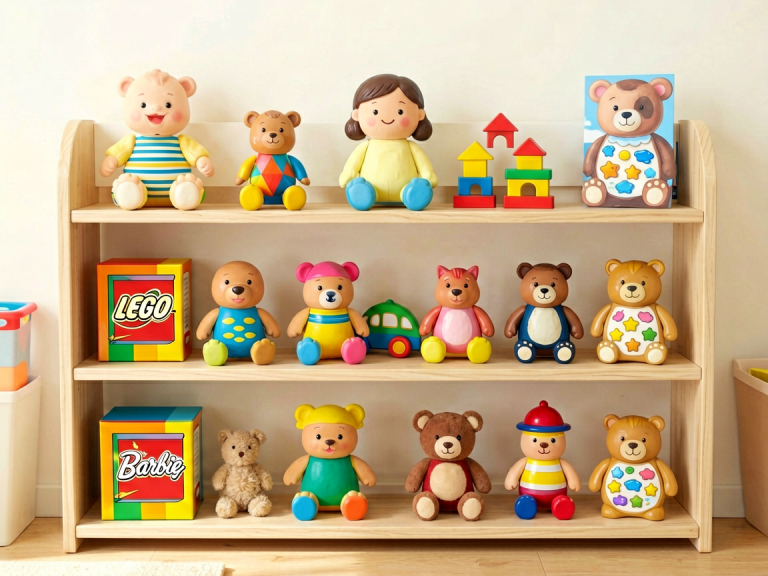
While early learning activities can happen anywhere, having a dedicated, clutter-free space for play can significantly enhance a child’s engagement. This does not require a whole room—a corner of the living room with a small table, a child-sized chair, and a shelf with a few carefully chosen toys is enough. Rotate toys and materials frequently to maintain novelty and interest. Include items that are open-ended (blocks, art supplies, natural objects like pine cones and stones) rather than overly structured toys that have only one use. Ensure the space is safe, with low shelves and child-accessible materials, so the child can make independent choices—an important step in developing autonomy and self-direction.
Establishing Routines That Support Learning
Children thrive on predictability. Incorporating short, playful learning activities into daily routines makes them feel natural rather than forced. For instance, a predictable morning routine might include a song while brushing teeth, a game of “I Spy” during breakfast, and a few minutes of book reading before nap time. Evening routines can include a quiet puzzle or a calming sensory activity like playing with kinetic sand. The key is consistency without rigidity. Leave room for spontaneity: if a child is particularly fascinated by a spider on the windowsill, let the planned activity wait while you observe and talk about the spider together. Responsive parenting—following the child’s interest—is the ultimate early learning activity.
Practical Tips for Parents and Caregivers
Keep It Playful and Pressure-Free
The most important principle of early learning at home is that it should be joyful. When children are pressured to perform, they may become anxious or resistant. If an activity is not engaging, switch to something else. Remember that young children have short attention spans—five to ten minutes of focused interaction can be deeply productive. Follow your child’s cues: if they are tired, hungry, or overstimulated, learning activities will not be effective. Prioritize connection over content. A child who feels loved and secure will naturally explore and learn.
Use Everyday Moments as Learning Opportunities
Many parents worry that they do not have enough time for “learning activities.” But learning does not require extra time—it requires awareness. Bath time is a chance to talk about floating and sinking, to pour water into different-sized cups, and to sing songs. Grocery shopping offers opportunities to count apples, identify colors, and discuss where food comes from. Waiting at the doctor’s office can become a game of “what do you see?” or a quiet story told aloud. By reframing these routines as rich learning environments, parents reduce pressure and increase opportunities naturally.
Limit Screen Time and Prioritize Human Interaction
While some educational apps and videos can be beneficial in very small doses, early learning activities at home should prioritize real-world, hands-on, and interactive experiences. The American Academy of Pediatrics recommends avoiding screens entirely for children under 18 months and limiting high-quality screen use for older toddlers. Nothing can replace a parent’s face, voice, and touch. The back-and-forth interactions—what developmental scientists call “serve and return”—are what build strong brain architecture. So put away the tablet and pick up a book, a block, or a wooden spoon to drum on a pot.
Conclusion
Early learning activities at home are not about accelerating development or creating prodigies; they are about nurturing a child’s natural curiosity, building secure attachments, and laying a sturdy foundation for future academic and life success. The most effective activities are those embedded in love, play, and everyday routines. A parent who talks, reads, sings, plays, and explores alongside their child is providing the richest learning environment imaginable. Remember that you do not need fancy toys or lesson plans. You need only your presence, your patience, and your willingness to see the world through your child’s eyes. From a puzzle on the floor to a whispered story at bedtime, every moment is an opportunity to unlock potential. Start small, stay consistent, and above all, enjoy the journey—because the best early learning activity of all is the joy of learning together.