Mastering the Art of Learning Through Play: A Strategic Guide for Lifelong Growth
Introduction
Play is often dismissed as the opposite of work—something frivolous, unproductive, reserved for children. Yet decades of research in neuroscience, psychology, and education reveal that play is one of the most powerful engines of learning. It fosters creativity, problem-solving, social skills, and emotional resilience. But how do we *manage* learning through play? How can we harness its unstructured energy without losing sight of educational goals? This article offers a practical, research-backed framework for integrating play into formal and informal learning environments—whether you are a teacher, a parent, or a self-directed learner.
Understanding the Play-Learning Connection
Before managing play, we must understand why it works so well. Play activates the brain’s reward system, releasing dopamine, which enhances motivation and memory consolidation. It reduces stress, allowing the prefrontal cortex—the seat of executive function—to operate more efficiently. Moreover, play encourages a state of “flow,” where challenge and skill are balanced, leading to deep engagement and intrinsic motivation.
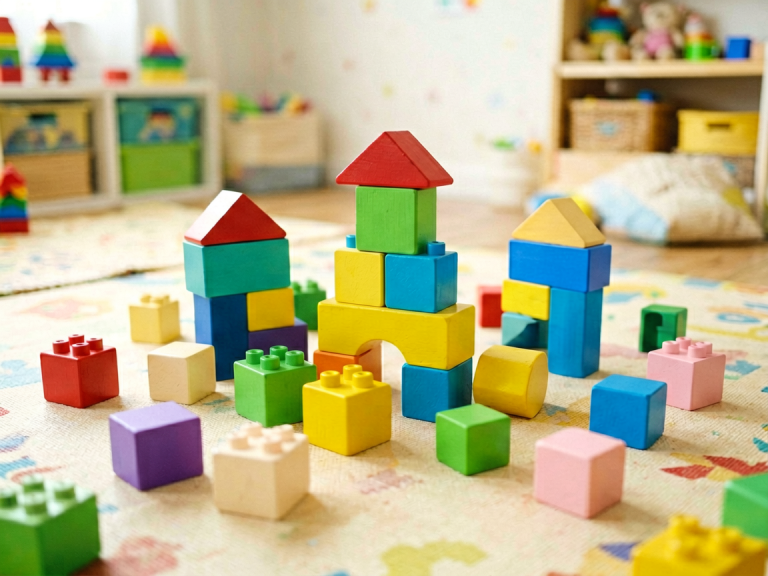
However, not all play is equally educational. The key lies in *purposeful play*—activities that are voluntary, fun, but also designed to develop specific competencies. For example, building with blocks can teach physics principles; role-playing games can enhance negotiation and empathy; digital simulations can model complex systems. The challenge is to manage the process so that learning emerges naturally, without killing the joy.
Designing Play-Based Learning Activities
*Align Play with Learning Objectives*
The first step in managing learning through play is to clearly define what you want to achieve. Are you aiming to improve vocabulary, mathematical reasoning, or teamwork? Once the goal is set, select or design play activities that inherently require those skills. For instance, to teach fractions, a board game like “Pizza Fraction Fun” works better than a simple drill. The play must be the vehicle, not the distraction.
*Incorporate Choice and Autonomy*
Play loses its magic when it becomes compulsory. Allow learners to choose from a menu of playful options. This autonomy boosts engagement and ownership. For example, in a classroom, you could set up “play stations”: a logic puzzle corner, a creative storytelling station, and a physical challenge zone. Learners rotate based on their interests, but each station is tied to a curriculum goal.
*Scaffold Without Stifling*
Adults often over-structure play, turning it into disguised instruction. Instead, act as a facilitator. Introduce the activity, set the initial rules, then step back. Observe where learners struggle and offer subtle hints or additional resources only when needed. This approach respects the exploratory nature of play while gently steering learning.
Balancing Structure and Freedom
One of the greatest challenges in managing play-based learning is finding the sweet spot between too much structure (which kills spontaneity) and too little (which leads to chaos or stagnant play).
*Time-Boxed Play Sessions*
Set clear time boundaries. For example, 30 minutes of free play followed by 10 minutes of reflective discussion. The time limit creates a gentle pressure that keeps play focused, and the reflection period allows learners to articulate what they discovered. This structure does not hinder play; it prevents it from drifting into aimlessness.
*The Role of Rules*
Rules are not anti-play; they can be the game itself. Consider chess, soccer, or Minecraft—all have rules that make the play meaningful. In educational play, co-create rules with learners. Ask them: “What rules would make this activity more fun and challenging?” This process teaches negotiation and critical thinking while giving learners a stake in the management.
*Flexible Scaffolding*
Be prepared to adjust the difficulty. If a game becomes too easy, learners lose interest; if too hard, they become frustrated. Introduce “power-ups” or “handicaps” to keep the challenge zone optimal. This is where active management is critical: you must observe, assess, and tweak in real time.
Managing Resources and Environment
Play-based learning requires more than just good intentions; it needs the right physical and digital environment.
*Curate Materials Thoughtfully*
Stock your space with open-ended materials that invite multiple uses: building blocks, art supplies, simple tools, board games, tablets with educational apps. Avoid over-specialized toys that dictate a single outcome. The goal is to spark creativity.
*Create Zones for Different Types of Play*
Designate areas for active play (e.g., movement games), quiet play (puzzles, reading), and collaborative play (group projects). This spatial management helps learners self-regulate and choose the mode of play that matches their current energy and learning need.
*Digital Play: A Double-Edged Sword*
Technology can be a fantastic tool for learning through play—simulations, coding games, virtual field trips. However, it also carries risks of passive consumption and distraction. Manage digital play by setting screen time limits, curating high-quality apps, and insisting on reflective discussions after digital play sessions.
Assessing Progress Without Killing the Fun
How do you know if the play is actually teaching something? Traditional tests can sabotage the playful atmosphere. Instead, use embedded assessment methods.
*Observation and Anecdotal Notes*
Watch learners during play. Note their strategies, questions, and collaborations. This qualitative data often reveals deeper understanding than a quiz. For example, a child who builds a stable bridge with blocks understands equilibrium, even if they cannot define the term.
*Peer and Self-Reflection*
After play sessions, ask learners to share one thing they learned and one thing they’d like to explore more. This builds metacognition and provides you with insights. You can also use simple exit tickets: “What strategy did you use in today’s game that you could apply to a real-life problem?”
*Digital Portfolios*
For longer projects, have learners document their play-based learning journey through photos, videos, or written reflections. This portfolio becomes a rich assessment tool that celebrates the process, not just the outcome.
Overcoming Common Pitfalls
Even with good intentions, managing learning through play can go wrong. Here are three common traps and how to avoid them.
*The "All Play, No Learning" Trap*
Some play activities are so engaging that learning goals get lost. Solution: always start with the learning objective and reverse-engineer the play. Check regularly: “Is this activity still serving the goal?” If not, adapt or replace it.
*The "Adult Takeover" Trap*
Well-meaning adults often over-explain, correct, or direct play, turning it into a chore. Solution: bite your tongue. Let learners make mistakes. Only intervene when frustration is extreme or when safety is an issue.
*The "One-Size-Fits-All" Trap*
Different learners have different play preferences—some love competition, others prefer cooperation, some enjoy solitary puzzles. Solution: offer a variety of play formats and allow choice. Manage by rotating activities so everyone gets exposure to different styles.
Cultivating a Playful Mindset for Self-Directed Learners
Finally, managing learning through play is not just for teachers. As an adult, you can apply these principles to your own development.
*Gamify Your Learning*
Turn daily tasks into games. Use apps like Habitica to earn rewards for studying. Break down a complex skill into levels and unlock new challenges as you improve.
*Schedule Playful Learning Time*
Block out an hour each week for “unstructured exploration.” Learn a musical instrument by ear, build something with your hands, or play a strategy game. Treat this time as sacred—it is not frivolous; it is a core part of your learning system.
*Join Communities of Play*
Find groups that learn through play, such as board game clubs, hackathons, or improv classes. The social accountability and shared joy will keep you motivated.
Conclusion
Managing learning through play is not an oxymoron—it is an art. It requires intentional design, flexible facilitation, and a deep respect for the learner’s agency. When done well, it transforms education from a transaction into an adventure. Play is not a break from learning; it is learning in its most vibrant form. By managing it wisely, we unlock curiosity, resilience, and a lifelong love for discovery.
*Word count: 1,023 (excluding title and headings)*