The Art of Thoughtful Gifting: 10 Common Birthday Gift Planning Mistakes to Avoid
Introduction
Birthdays are more than just an annual celebration of age—they are a chance to show someone how much they mean to you. Yet, despite our best intentions, the process of choosing and giving a birthday gift is often fraught with missteps. A gift that misses the mark can leave both giver and receiver feeling awkward; a perfectly chosen one can strengthen bonds and create lasting memories. Over the years, I have observed, committed, and heard about countless birthday gift planning mistakes—some small, some catastrophic. The key is not to strive for perfection, but to avoid the most common pitfalls that undermine thoughtfulness. In this article, I will walk you through ten critical mistakes people make when planning birthday gifts, and offer practical advice on how to sidestep each one. Whether you are shopping for a spouse, a parent, a best friend, or a colleague, this guide will help you transform your next gift into a genuine expression of care.
—
Mistake #1: Procrastinating Until the Last Minute
The Problem: We have all been there. The birthday is three days away, and you still have no idea what to buy. Panic sets in. You rush to the nearest mall or click “express delivery” on a generic item that looks decent online. The result? A gift that feels hollow, because it was chosen in desperation rather than thought.
Why It Happens: Life gets busy. We assume we have more time, or we convince ourselves that a last-minute purchase is “just as good.” But the truth is, the most meaningful gifts are often those that require a bit of research, customization, or even ordering from a small artisan. Procrastination forces you into a corner, leaving no room for creativity.
How to Avoid It: Start planning at least two to three weeks in advance. Create a simple note on your phone with the birthday dates of all important people. When you hear someone mention something they love—a book, a hobby, a brand—jot it down. This “ongoing idea list” is your secret weapon. Then, set a reminder one month before the birthday to begin actively exploring options.
—
Mistake #2: Focusing Too Much on the Price Tag
The Problem: Many people believe that the more expensive the gift, the more it shows love. They overextend their budget, or conversely, they buy cheap items that scream “I didn’t try.” Neither extreme works. A $500 watch given to someone who hates wearing watches is less valuable than a $20 vintage cookbook for a passionate home chef.
Why It Happens: Society often equates monetary value with affection. We want to impress, and we fear looking stingy. But a gift’s value is emotional, not financial. The recipient does not think, “He spent $80, so he must care.” They think, “She remembered that I collect fountain pens.”
How to Avoid It: Set a budget that feels comfortable, but then forget about the price entirely. Focus on the person’s interests and needs. A handwritten letter paired with a small, meaningful item can be far more powerful than an expensive gadget they will never use. Consider experiences—concert tickets, a cooking class, a spa voucher—which often cost less than physical objects but create richer memories.
—
Mistake #3: Buying What *You* Would Want Instead of What *They* Would Want
The Problem: This is the most common error in gift-giving. You love hiking, so you buy your friend a high-end backpack. But your friend is a bookworm who hates the outdoors. The gift is thoughtful in your eyes, but useless in theirs.
Why It Happens: It is natural to project our own preferences onto others. We think, “If I were them, I would love this.” But we are not them. Empathy requires us to step outside ourselves and truly imagine the other person’s daily life, hobbies, and desires.
How to Avoid It: Before buying, ask yourself: “When was the last time I saw them genuinely excited about something?” Pay attention to their social media, their conversations, and even their complaints. Do they often mention wanting to declutter? Then a minimalist organizer might be perfect. Do they rave about a certain cuisine? A gift certificate to that restaurant is ideal. If you are still unsure, ask a mutual friend or family member for insight.
—
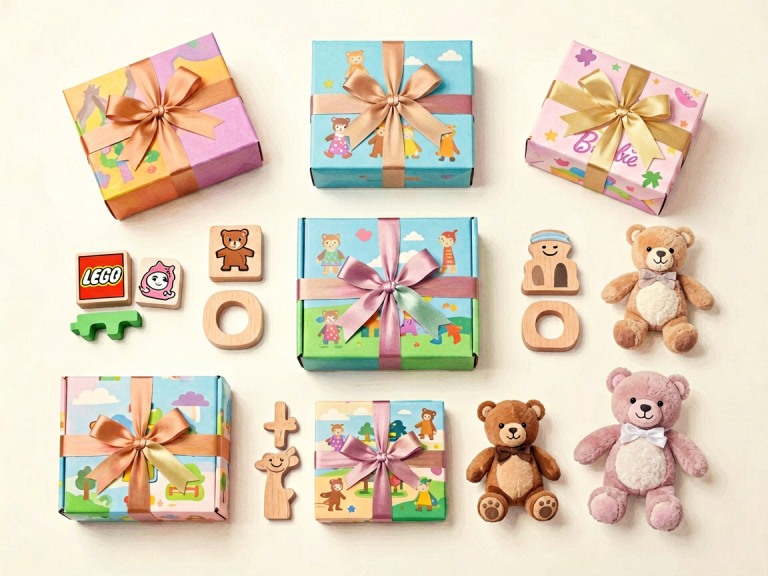
Mistake #4: Overlooking the Element of Surprise and Presentation
The Problem: You find the perfect gift, but you wrap it in old newspaper or hand it over in a plastic shopping bag. Or worse, you tell the person ahead of time exactly what you bought. The element of surprise—the magic of unwrapping, the anticipation—is lost.
Why It Happens: Some people think presentation is superficial, or they are simply lazy. But the way a gift is given communicates effort and care. A beautifully wrapped box, a hidden scavenger hunt, or even a simple ribbon can elevate the entire experience.
How to Avoid It: Invest ten minutes in wrapping. Use nice paper, a gift bag with tissue, or a reusable cloth. Add a handwritten card—not a generic store-bought one, but a note that expresses genuine feelings. If you know the person will be with others on their birthday, consider having the gift delivered to their workplace or hiding it somewhere they will discover later. The surprise amplifies the joy.
—
Mistake #5: Giving a Gift That Creates Obligation
The Problem: You buy your friend an expensive bottle of whiskey, but they don’t drink. Or you give a massive photo album that requires them to spend hours filling it. Or you purchase a pet that comes with lifelong responsibility. Some gifts impose a burden rather than bring pleasure.
Why It Happens: We sometimes want to be the hero—to give something so grand that the recipient feels indebted. But well-intentioned gifts can backfire if they demand time, money, or lifestyle changes from the receiver.
How to Avoid It: Think about whether the gift adds to the person’s life or subtracts from it. Consumables (fine chocolate, coffee, wine) are usually safe because they are enjoyed and then gone. Experiences (tickets, classes) are also low-obligation because they are one-time events. If you are tempted to give something that requires upkeep—like a plant, a pet, or a complex gadget—ask beforehand. Never assume.
—
Mistake #6: Ignoring the Person’s Current Life Phase
The Problem: You buy your college-age niece a stuffed animal because you remember she loved them as a child. But she is now 22, living in a tiny dorm room, and trying to appear mature. The gift feels infantilizing. Similarly, buying a retiree the latest video game console might be tone-deaf.
Why It Happens: We hold onto outdated mental images of people. We remember their past selves and forget that interests evolve. A gift that does not align with their current age, career, living situation, or emotional state can feel disconnected.
How to Avoid It: Think about where the person is *right now*. Are they in a minimalist phase? A fitness kick? A career transition? Are they saving for a house? Are they dealing with stress? A gift that supports their current path—say, a professional development book, a meditation app subscription, or a high-quality water bottle for their gym sessions—shows you see them as they are today, not as they were five years ago.
—
Mistake #7: Forgetting the “Group Gift” Etiquette
The Problem: When multiple people chip in for a group gift, the process can become disorganized. Someone buys a cheap item without consulting others. The gift ends up being a mishmash of random things. Or the group agrees on a gift but one person forgets to contribute money, creating awkwardness.
Why It Happens: Group gifting requires coordination, which is hard. People assume someone else is leading, or they try to avoid conflict by not voicing their opinion.
How to Avoid It: If you are organizing a group gift, take the lead clearly. Use a digital tool like a shared spreadsheet or a group chat to list ideas and collect votes early. Set a firm deadline for contributions. If the group is large, consider pooling money for a single high-quality item rather than multiple mediocre ones. And always include a card signed by everyone—it personalizes the collective effort.
—
Mistake #8: Giving a Gift That Is Too Generic
The Problem: Scented candles, gift cards, coffee mugs, and bath sets are the clichés of the gifting world. While they are safe, they rarely communicate deep thought. The recipient might smile politely, but inside they think, “They didn’t know what to get me.”
Why It Happens: Generic gifts are easy. You can buy them in bulk without thinking. But a gift is an opportunity to show you have paid attention. A generic item says, “I fulfilled a social obligation.”
How to Avoid It: Personalization is the antidote. Even a simple item can become special if you add a personal touch. Instead of a generic candle, choose one with a scent that reminds you of a shared memory. Instead of a bath set, pick products from a local brand the person loves. If you must give a gift card, pair it with a small, thoughtful treat that shows you know their taste—like a gift card to a bookstore with a bookmark from their favorite author.
—
Mistake #9: Overthinking and Paralyzing Yourself
The Problem: At the opposite end of rushing is overthinking. You spend weeks agonizing over every possible option, reading reviews, comparing prices, and worrying about rejection. You become so stressed that you either buy nothing or end up with a gift that is overly complicated.
Why It Happens: Perfectionism. You want the gift to be “the best gift ever,” and the pressure becomes paralyzing. But even the most thoughtful gift can fail if it is delivered with anxiety.
How to Avoid It: Remember that the relationship is more important than the object. A decent gift given with warmth and sincerity is better than a perfect gift given with coldness. Set a deadline for yourself—say, one week before the birthday—and force a decision. Trust your instincts. If you have done your research and chosen something that aligns with the person’s interests, you have already won. Do not let fear of imperfection ruin the joy of giving.
—
Mistake #10: Not Considering the Gift’s Aftermath
The Problem: You give a huge, fragile vase that the recipient must now display or feel guilty hiding. You give a subscription service that auto-renews unless they remember to cancel. You give a pet that requires vet visits and walks. Some gifts create ongoing obligations that the receiver never consented to.
Why It Happens: We focus on the moment of the reveal and forget the long-term implications. A gift should not become a chore.
How to Avoid It: Think about the gift’s lifecycle. Will it need storage space? Maintenance? Follow-up actions? If the answer is yes, ask yourself if the person would welcome that. For example, a plant is lovely if they love gardening; a fish tank is a burden if they travel often. If in doubt, choose gifts that are self-contained and don’t require future effort—like a gourmet food basket, a massage session, or a digital download.
—
Conclusion
Birthday gift planning is an art, but it is not a mystery. By avoiding these ten common mistakes—procrastinating, focusing on price, projecting your tastes, neglecting presentation, imposing obligations, ignoring life phases, mishandling group gifts, falling back on generic items, overthinking, and forgetting the aftermath—you can transform your approach from stressful to joyful. The best gift is not the most expensive or the most creative; it is the one that says, “I see you, I hear you, and I value you.” Take the time to plan with intention, and your gift will speak volumes. So the next time a birthday appears on your calendar, pause, reflect, and avoid these pitfalls. Your loved ones—and your own peace of mind—will thank you.