Mastering the Art of Holiday Toy Planning: A Comprehensive Guide to Joyful, Stress-Free Gifting
Introduction
The holiday season is a time of warmth, togetherness, and generosity. For many families, however, the process of planning and purchasing toys for children can quickly become overwhelming. Between the incessant marketing campaigns, the pressure to buy the "hottest" items, and the fear of disappointing little ones, the simple act of giving can morph into a source of anxiety and financial strain. Effective holiday toy planning is not about buying the most expensive or the most numerous gifts; it is about aligning your budget, your child's developmental needs, and your family values to create a meaningful and clutter-free celebration. This article offers a structured, step-by-step guide to managing holiday toy planning with intention, organization, and joy. By following these principles, you can reduce stress, avoid post-holiday regret, and ensure that each gift under the tree truly matters.
—
1. Set a Clear and Realistic Budget Before You Browse
The single most effective tool for managing toy planning is a firm, pre-determined budget. The holiday season is designed to entice spending, and without a budget, it is easy to be swept up by discounts, “doorbusters,” and the emotional appeal of a child’s wish list. Begin by deciding the total amount you are comfortable spending on toys for the entire holiday season. This figure should be based on your current financial reality, not on societal expectations or what other families might be spending.
Once you have a total, break it down by child or by category. For example, you might allocate 60% of the toy budget to the “main gift,” 30% to smaller complementary items, and 10% to a surprise or stocking stuffer. Write this down and commit to it. Use cash, a dedicated gift card, or a separate digital envelope to physically limit your spending. When you have a concrete boundary, toy shopping becomes a series of considered decisions rather than an impulse-driven scramble. Remember, a budget does not mean deprivation—it means freedom from financial guilt. A child will remember the love and excitement of the holiday far more vividly than the price tag of a toy.
—
2. Understand Your Child’s Current Interests and Developmental Stage
One of the biggest pitfalls in holiday toy planning is buying what you think a child should want, rather than what they actually engage with. Before making any purchases, spend time observing your child. What do they gravitate toward during free play? Are they building intricate block towers, drawing fantasy worlds, staging pretend tea parties, or solving simple puzzles? Listen to their casual remarks—they often reveal deep desires that have nothing to do with commercials. A child who constantly asks “why” might love a science kit; one who rearranges the living room cushions daily may be ready for a fort-building set.
Aligning toy choices with developmental stage is equally critical. A toy that is too advanced will frustrate and gather dust; one that is too simple will bore quickly. Consult age recommendations on packaging, but also trust your knowledge of your child’s unique abilities. For example, a three-year-old may be ready for a simple matching game, while a six-year-old might be ready for a cooperative board game requiring strategy. When you match the toy to the child’s passion and skill level, you increase the likelihood of sustained, meaningful play.
—
3. Prioritize Quality Over Quantity
The modern holiday often equates love with abundance—more presents means more happiness. Yet psychological research and common parental experience suggest the opposite. When children are overwhelmed by dozens of gifts, they tend to play with each item shallowly and quickly, then discard it in favor of the next shiny package. A mountain of toys can actually diminish a child’s ability to focus, appreciate, and engage in deep imaginative play. Therefore, intentional holiday toy planning should emphasize a small number of high-quality, durable, and versatile items.
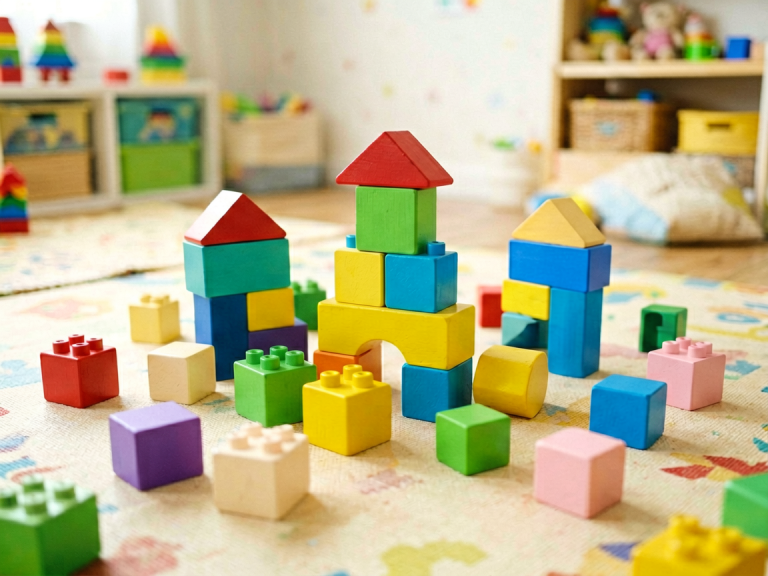
What does “quality” mean in this context? It means toys that are well-constructed from safe, sustainable materials (wood, organic cotton, high-grade plastics without BPA), that offer open-ended play possibilities, and that can withstand the test of time. A set of wooden building blocks, for instance, can be used for stacking, sorting, physics experiments, storytelling, and even art projects for years. A single high-quality doll with multiple outfits and accessories can foster more creativity than ten cheap, single-use plastic action figures. By buying fewer, better toys, you teach your child the value of stewardship and reduce the post-holiday clutter that stresses parents and children alike.
—
4. Incorporate Educational Value Without Making It a Chore
While play should always remain joyful, toys with educational potential can support cognitive, social, emotional, and physical development. The key is to choose “stealth learning” toys—items that teach concepts so naturally that a child doesn’t realize they are learning. For example, magnetic tiles teach geometry and balance through building; simple coding robots teach logic and sequencing; art supplies develop fine motor skills and self-expression; and cooperative board games build patience, turn-taking, and emotional regulation.
When planning, consider each child’s specific areas for growth. A shy child might benefit from a puppet set that encourages role-playing and verbal expression. A hyperactive child might thrive with a balance board or a set of sensory stones that promote calm focus. However, avoid the trap of turning every gift into a “lesson.” The best educational toys are those that the child begs to play with. If a toy feels like homework, it will be abandoned. The goal is to choose items that naturally spark curiosity, problem-solving, and creativity—all while being genuinely fun.
—
5. Plan for Sustainability and Longevity
The ecological and financial cost of constantly replacing toys is significant. Holiday toy planning is an ideal opportunity to adopt a sustainability mindset. Begin by categorizing toys into “keepers”—those that will grow with the child (e.g., LEGO, art supplies, musical instruments), “rotators”—items that can be stored and reintroduced to renew interest, and “pass-ons”—gifts that can be donated, handed down, or regifted after the child outgrows them.
Consider secondhand options as well. High-quality used toys can be found at consignment shops, online marketplaces, and community swap events. Many are in excellent condition and cost a fraction of the retail price. Not only does this save money, but it also models responsible consumption for your children. Additionally, think about “experience gifts” that produce no physical clutter at all: a subscription to a children’s magazine, tickets to a local museum, a cooking class together, or a weekend camping trip. These gifts build memories and skills without contributing to toy clutter.
—
6. Manage Expectations and Traditions with Intention
The holiday season is often charged with emotion, particularly around the topic of gifts. Children’s expectations can be sky-high, fueled by advertisements, peer talk, and even well-meaning relatives. To avoid disappointment and materialism, it is essential to talk openly with your children about the meaning of the holiday and the planning process itself. For younger children, you can frame it as: “We choose toys that help us play and learn together. Santa (or we) can’t bring everything, but we always bring love.”
Create family traditions that shift focus away from the sheer number of presents. For example, adopt the “something you want, something you need, something to wear, something to read” rule. This simple framework provides balance and prevents over-gifting. Another tradition is the “family gift” versus individual gifts—a large board game or a shared craft kit that everyone enjoys together. Setting boundaries with relatives who tend to over-gift can also be part of your plan. Politely suggest a wish list with specific items, or ask for contributions to a combined gift, such as a new bicycle or a savings account for future activities.
—
7. Create a Gift Calendar or Tracking System
Organization is the silent hero of stress-free toy planning. Use a simple spreadsheet, a notebook, or a digital app to track your ideas, purchases, and budget. Create a column for each child (or each recipient) and note items you are considering, whether you have purchased them, and the amount spent. This visual system prevents duplicate buys and last-minute panic.
To avoid the chaos of last-week shopping, set specific deadlines: complete the first round of research by early November, finish all purchases by December 10 (for online orders to arrive in time), and wrap gifts at least a week before the holiday. A “gift calendar” can also help spread out the joy—some families open one small gift each evening of December, or on Christmas Eve. This pacing allows children to appreciate each item more fully and reduces the overwhelming frenzy of a single morning.
—
8. Involve the Family in the Planning Process
Finally, remember that holiday toy planning should not be a solitary burden. Involve your partner, older children, and even grandparents in the decision-making. Have a family meeting where everyone shares one or two ideas for gifts they would love, but also discuss the budget and the “why” behind the choices. This collaborative approach builds anticipation and teaches children about compromise and gratitude. When children feel they have a voice in the process, they are more likely to be content with the final outcome—even if they didn’t get every single item on their list.
Encourage children to make handmade gifts for siblings or to choose a toy to donate to a less fortunate child. This shift from receiving to giving fosters empathy and reduces the pure consumerist focus. By working as a team, your family can transform toy planning from a chore into a cherished holiday ritual.
—
Conclusion
Managing holiday toy planning is not about rigid control or deprivation—it is about thoughtful curation. By setting a budget, observing your child’s true interests, prioritizing quality over quantity, incorporating learning, embracing sustainability, managing expectations, staying organized, and involving the whole family, you create a holiday that is both magical and manageable. The toys you ultimately choose will be treasured not because of their price, but because they fit seamlessly into your child’s world and your family’s values. This year, step away from the marketing noise and into intentional planning. The result: less stress, more joy, and a holiday season filled with genuine connection.