Nurturing Little Hands: Essential Fine Motor Activities for 3-Year-Olds
The journey from toddlerhood to early childhood is marked by an explosion of growth—cognitive, social, emotional, and physical. Among the most critical yet often overlooked domains is the development of fine motor skills. For a three-year-old, these small muscle movements in the hands, fingers, and wrists lay the foundation for everything from self-feeding and dressing to writing and drawing. At this age, children are transitioning from clumsy, whole-hand grasps to more refined, pincer-like movements. Engaging them in purposeful, playful fine motor activities not only strengthens these muscles but also enhances hand-eye coordination, concentration, and independence. This article explores why fine motor skills matter so profoundly at age three, presents a rich variety of effective activities, discusses strategies for embedding them into daily routines, and offers practical safety tips for parents and educators.
—
The Developmental Significance of Fine Motor Skills at Age Three
Understanding the developmental milestones of a three-year-old is essential before selecting appropriate activities. At this stage, most children can build a tower of nine or ten blocks, manipulate large buttons, turn pages one at a time, and use a spoon with minimal spilling. They are also beginning to show hand preference, although ambidexterity is still common. The refinement of fine motor control directly impacts academic readiness: children who struggle with tasks like cutting, coloring, or manipulating small objects often face frustration later when learning to write. Moreover, fine motor development is intimately linked to cognitive growth—every time a child picks up a tiny bead or squeezes a glue bottle, neural pathways are strengthened, fostering problem-solving and planning skills.
A three-year-old’s brain is highly plastic, meaning that repeated practice of precise movements can create lasting changes in motor cortex organization. Activities that require bilateral coordination (using both hands together) are especially valuable. For example, holding a piece of paper with one hand while cutting with the other helps integrate the left and right hemispheres. Additionally, the proprioceptive feedback received from squeezing, pinching, and pressing teaches the brain where the body is in space—a skill that underpins both fine and gross motor competence. Without adequate fine motor stimulation during this window, children may develop compensatory habits, such as using their whole arm to draw instead of their fingers, which can impede handwriting fluency later.
—
Fun and Effective Fine Motor Activities for Home and Preschool
The best fine motor activities for three-year-olds are those that feel like play, require minimal setup, and can be adapted to a child’s skill level. Below are several categories of activities, each targeting specific muscle groups and coordination skills.
1. Pincer Grasp and Finger Strength Builders
The pincer grasp—the ability to pick up small objects using the thumb and index finger—is a hallmark of fine motor development. Simple activities that strengthen this grasp include:
- Transferring with Tweezers or Tongs: Provide a bowl of pompoms, cotton balls, or small blocks, and have the child use child-safe tweezers or tongs to move them to another container. For variety, add water and use a turkey baster to transfer liquid.
- Peeling and Sticking Stickers: Give the child a sheet of small, easy-to-peel stickers and let them place them on paper, a cardboard box, or even on their own hands. This action requires precise fingertip control.
- Picking Up Small Items: Scatter dried beans, buttons, or large sequins on a tray and encourage the child to pick them up one by one and drop them into an egg carton or ice cube tray. Supervision is crucial to prevent choking.
2. Hand-Eye Coordination and Precision
Activities that demand visual tracking alongside hand movement are excellent for developing coordination.
- Threading and Lacing: Use large wooden beads with thick string or shoelaces. Alternatively, make homemade lacing cards by punching holes in cardboard shapes and having the child weave a shoelace through them. For beginners, use a pipe cleaner instead of string—it’s stiffer and easier to manipulate.
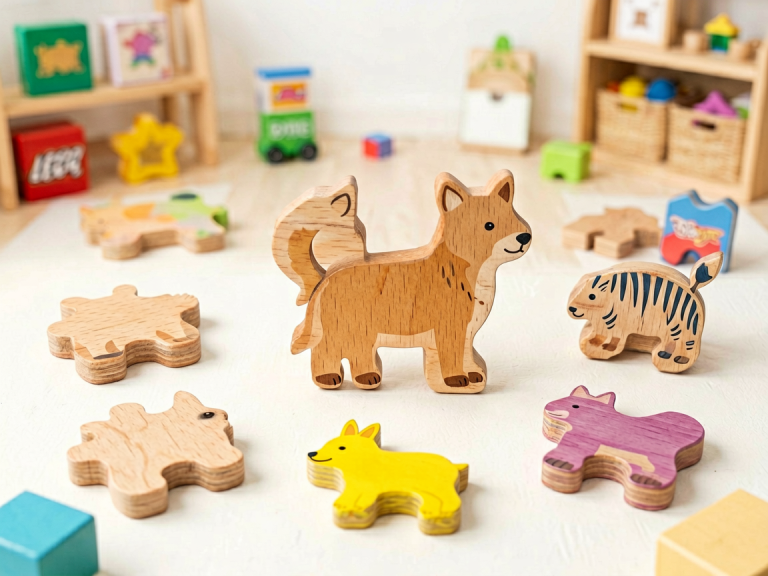
- Simple Puzzles: Puzzles with large knobs or pieces encourage the child to grip, rotate, and match shapes. Three-year-olds benefit from puzzles that have four to twelve pieces. The act of aligning a puzzle piece into its correct spot refines both visual perception and finger placement.
- Maze Activities: Draw simple, wide mazes on paper and have the child trace the path with a finger first, then with a crayon or marker. This pre-writing activity strengthens the tripod grasp and trains the eyes to guide the hand.
3. Cutting, Pasting, and Tearing
Using scissors is a milestone that typically emerges around age three, but it requires careful guidance. Scissor skills develop core fine motor strength and bilateral coordination.
- Playdough Cutting: Give the child a child-safe pair of scissors and a “snake” of playdough. Cutting through soft dough is easier than paper and provides satisfying sensory feedback. They can also practice snipping small pieces to make “sprinkles.”
- Paper Tearing and Collage: Tearing paper into strips strengthens the intrinsic hand muscles. After tearing, have the child use a glue stick to paste the pieces onto a larger sheet to create a collage. Glue sticks are preferable to liquid glue because they require less squeezing and are less messy.
- Simple Cutting Lines: Draw thick, straight lines on construction paper and let the child cut along them. As they progress, introduce curved lines and zigzags. Always use blunt-tip scissors and supervise closely.
4. Manipulating Malleable Materials
Playdough, clay, and other tactile materials offer endless opportunities for strengthening hands.
- Rolling, Squeezing, and Pinching: Encourage the child to roll playdough into balls, flatten it with their palm, and pinch small bits off to create eyes for a face. Adding tools like plastic rolling pins, cookie cutters, and stampers further engages the hands.
- Making “Snakes” and “Pancakes”: Rolling dough into long ropes (snakes) requires a coordinated motion of both hands pressing downward and forward. Flattening it into a pancake uses the whole hand, while using a plastic knife to cut the pancake into pieces refines scissor-like motions.
- Sensory Bins with Tools: Fill a bin with rice, sand, or oats and hide small objects inside. Provide scoops, spoons, funnels, and small cups. The act of scooping, pouring, and digging builds hand strength and wrist stability.
5. Everyday Practical Life Activities
Some of the best fine motor practice happens naturally through daily routines.
- Dressing Skills: Buttoning, zipping, snapping, and tying (even just practicing with a large button board) are authentic fine motor challenges. Start with oversized buttons and zippers on a busy book or a soft toy.
- Using Utensils: Let the child practice spearing soft fruit with a fork, or spreading butter with a plastic knife. Even pouring water from a small pitcher into a cup builds control.
- Cleaning Up: Wiping tables with a damp sponge, sweeping small piles with a child-sized broom, or picking up toys and placing them in a bin all involve coordinated hand movements.
—
How to Integrate Fine Motor Activities into Daily Routines
Consistency matters more than duration. Three-year-olds have short attention spans, so 5 to 10 minutes of focused fine motor play several times a day is far more effective than one long session. Here are practical strategies for weaving these activities into everyday life:
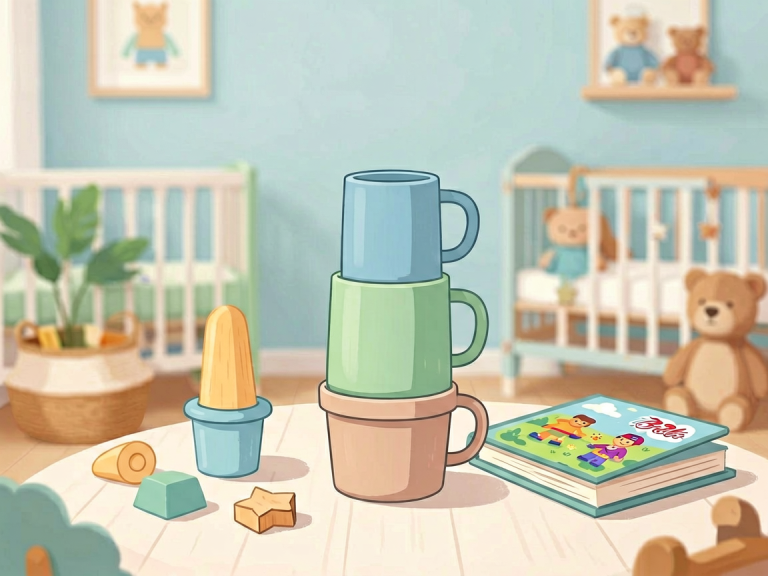
- Morning Routine: While the child waits for breakfast, offer a basket of small manipulatives—fridge magnets, stacking cups, or a lacing toy. This transition time can be productive and calm.
- During Mealtimes: Encourage self-feeding with child-safe utensils. Let them tear bread into pieces, peel a banana (with help), or spread cream cheese on a cracker. These tasks are both motivating and strengthening.
- Waiting Times: Keep a small “busy bag” in the diaper bag or car. Include items like a sticker book, a small pad of paper with chunky crayons, or a set of large interlocking blocks. Use waiting periods at the doctor’s office or restaurant for fine motor practice.
- Bath Time: Bath water is a perfect setting for pouring, squeezing sponges, and picking up floating toys. Use bath crayons to draw on the tub walls—the slippery surface requires more grip pressure.
- Before Bed: A calm, fine motor activity like threading beads or doing a simple puzzle can serve as a soothing wind-down ritual. It also gives the child a sense of accomplishment before sleep.
Parents and educators should remember that the goal is not perfection but exploration. Let the child choose the activity when possible, and celebrate effort rather than outcome. If a child resists a particular task, try pairing it with a favorite song or turning it into a game (e.g., “Let’s see if we can pick up ten beans before the timer goes off!”).
—
Safety Considerations and Tips for Parents and Educators
While fine motor activities are largely safe, supervision and common sense are essential given that three-year-olds often put objects in their mouths.
- Choking Hazards: Avoid small items that can fit entirely inside a child’s mouth. For beads, beans, and buttons, choose sizes larger than 1.25 inches (3.2 cm) in diameter, or supervise intensely. Always stay within arm’s reach.
- Scissor Safety: Use only blunt-tip scissors designed for children. Teach the child to hold scissors with the thumb up and to cut away from their body. Store scissors out of reach when not supervised.
- Material Toxicity: Ensure playdough is non-toxic (homemade recipes are a great alternative) and that paints, glues, and markers are labeled washable and safe for children. Avoid any materials containing latex if the child has allergies.
- Physical Comfort: Watch for signs of fatigue or frustration. Short, frequent sessions prevent hand cramping. If the child’s hands tremble or they consistently drop objects, consider a break or a different activity that uses larger muscles.
- Encouragement Over Correction: Three-year-olds are still learning motor control. Avoid saying “No, like this” and instead model the motion gently. Praise any attempt, even if the bead falls or the cut is crooked. Building confidence is just as important as building muscle.
—
Conclusion
Fine motor skills are not just about preparing for handwriting—they are about empowering a three-year-old to interact with the world with greater autonomy and confidence. Every button fastened, playdough ball rolled, and sticker placed is a small victory that wires the brain for future learning. By offering a rich variety of age-appropriate activities and integrating them gently into daily life, parents and educators can nurture these essential abilities in a way that respects the child’s natural curiosity and pace. Remember that each child develops at their own speed; the goal is not to compare but to celebrate progress. With patience, creativity, and a little bit of mess, we can help little hands become strong, capable, and ready for the adventures ahead.