The Ultimate Guide to Buying Toys Online: Essential Tips for Parents
Introduction
In today’s digital age, buying toys online has become a convenient and often preferred method for parents. With just a few clicks, you can access thousands of options, compare prices, and have gifts delivered straight to your doorstep. However, this convenience comes with its own set of challenges. From safety concerns and quality issues to age-appropriateness and hidden costs, navigating the online toy marketplace can be overwhelming. As a parent, you want to ensure that every purchase sparks joy, fosters development, and – most importantly – keeps your child safe. This comprehensive guide provides practical, research-backed tips to help you make informed decisions when buying toys online. Whether you’re shopping for a birthday, holiday, or just a surprise, these strategies will save you time, money, and worry.
—
Understanding Age Recommendations and Safety Standards
One of the first things to check when browsing toys online is the manufacturer’s age recommendation. These labels are not arbitrary; they are based on developmental stages, safety considerations, and potential choking hazards. For children under three, avoid toys with small parts that could be swallowed or inhaled. Look for clear labels like “Ages 3+” or “Not suitable for children under 36 months.”
Beyond age tags, prioritize toys that meet recognized safety standards. In the United States, look for ASTM (American Society for Testing and Materials) certification. In Europe, the CE mark indicates compliance with EU safety requirements. Reputable online retailers often list these certifications in the product description. If the information is missing, do not hesitate to contact the seller. Also, be wary of toys with strong chemical smells, sharp edges, or loose components – these are red flags that the item may not meet safety guidelines. For electronic toys, check for battery compartment screws and ensure that the wiring is enclosed. Remember: a cheaper price tag can sometimes mean compromised materials, so always weigh cost against safety.
—
Reading Reviews and Checking Seller Reputation
Customer reviews are a goldmine of information, but they must be interpreted with caution. Genuine reviews often include specific details about the toy’s durability, size, and how a child actually plays with it. Look for verified purchase badges and pay attention to reviews that mention the child’s age and interests. Be skeptical of overly positive or extremely negative reviews that lack specifics – they could be fake or biased.
Equally important is the reputation of the seller. Stick to well-known platforms like Amazon, Walmart, Target, or specialty toy stores that have clear return policies and customer service. If you are considering a third-party seller, check their rating, number of sales, and feedback history. Avoid sellers with few ratings or a high percentage of negative comments about damaged deliveries or misrepresented products. For imported toys, be extra cautious: check whether the seller provides clear safety information and contact details. A trustworthy seller will also respond promptly to queries.
—
Prioritizing Educational and Developmental Value
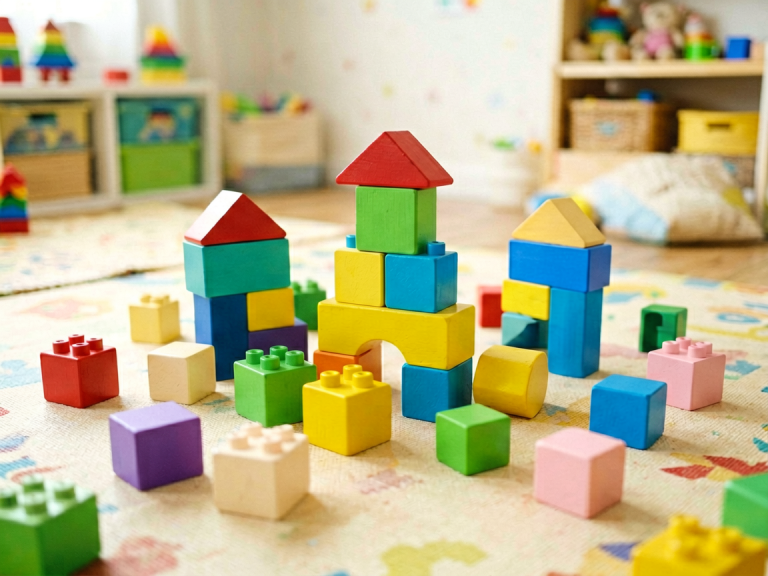
Toys are not just for fun – they are tools for learning. When shopping online, think beyond the flashy packaging and consider what <a href="https://www.playlearningguide.com/category/skills/”>skills the toy encourages. For infants and toddlers, look for toys that stimulate sensory exploration, such as textured balls, rattles, and stacking blocks. For preschoolers, puzzles, building sets, and pretend-play kits foster problem-solving, creativity, and social skills. Older children benefit from science kits, strategy board games, and craft supplies that promote critical thinking and fine motor skills.
Avoid the trap of over‑electronic toys that replace active play with passive screen time. While a tablet-based learning app can be useful, it should not dominate a child’s play routine. Instead, choose toys that require hands-on engagement: magnets, construction bricks, art supplies, or musical instruments. Reading product descriptions for keywords like “STEM,” “open-ended,” or “imaginative play” can help you identify valuable options. Remember, the best toy is one that grows with the child and offers multiple ways to play.
—
Avoiding Counterfeit and Low-Quality Products
The online marketplace is flooded with counterfeit toys that mimic popular brands but use inferior – and sometimes toxic – materials. These knock-offs often lack safety certifications and can break easily, posing risks such as sharp edges or small parts that detach. To avoid them, stick to official brand stores or authorized distributors. Check the product page for high-resolution images from multiple angles, and compare the price with the manufacturer’s suggested retail price. If a deal seems too good to be true, it probably is.
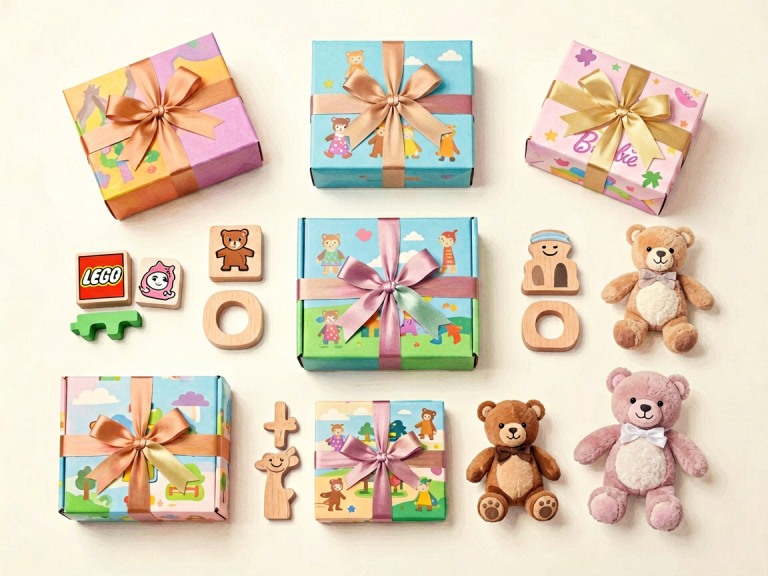
Look for subtle signs of counterfeits: misspellings in the title or description, blurry logos, or inconsistent packaging. For branded toys like LEGO, Barbie, or Fisher-Price, the official packaging has distinct fonts and holograms. Before purchasing, read the “About this item” section carefully and verify that the seller is listed as the brand itself or an approved reseller. If you receive a product that looks suspicious, do not let your child play with it – contact the seller immediately for a refund.
—
Considering the Child’s Interests and Age-Specific Needs
Every child is unique, and a toy that delights one may bore another. When browsing online, keep your child’s current passions in mind. Does she love dinosaurs? Look for dinosaur-themed puzzles, figurines, or excavation kits. Is he obsessed with vehicles? Search for interactive car sets, road mats, or mechanic role-play tools. Tailoring the choice to your child’s interests not only increases the likelihood of engagement but also encourages deeper learning.
Also consider the child’s developmental stage. A toy that is too simple can be disengaging, while one that is too advanced may cause frustration. Read the detailed descriptions to understand the skill level required. For example, a puzzle with 100 pieces might be perfect for a six-year-old but overwhelming for a four-year-old. Some online stores offer “skill level” indicators – use them. If you are buying for a child other than your own, ask the parents about their child’s current abilities and favorite activities.
—
Budgeting Wisely and Looking for Deals
Online shopping makes it easy to overspend, especially with tempting flash sales and “limited-time” offers. Set a firm budget before you start browsing, and stick to it. Use price comparison tools or browser extensions that automatically check for better deals across sites. Sign up for newsletters from reputable toy retailers to receive exclusive discounts – but create a separate email folder to avoid inbox clutter.
Timing matters. Major sales events like Black Friday, Cyber Monday, Amazon Prime Day, and post-holiday clearances offer significant savings. For toys that are likely to be popular (e.g., the latest trending character), consider pre-ordering to avoid price hikes and stockouts. Also, don’t forget to factor in shipping costs. Some stores offer free shipping above a certain amount; combine orders with other parents or buy in bulk to meet the threshold. Finally, consider buying gently used toys from trusted online marketplaces or second-hand groups. Many toys are barely used and can be sanitized, saving you money and reducing waste.
—
Understanding Return Policies and Warranty
No matter how careful you are, sometimes a toy arrives damaged, defective, or simply not as described. That is why understanding the return policy is crucial before you click “buy.” Check whether the seller offers free returns or charges a restocking fee. For electronic or battery-operated toys, verify warranty coverage – some brands provide a one-year manufacturer’s warranty, while others require you to register the product.
Take screenshots of the product page, including the description, price, and condition, at the time of purchase. If the item arrives with a missing part or a flaw, contact the seller immediately with clear photos. Many platforms have a resolution center that can mediate disputes. For expensive items, consider buying with a credit card that offers purchase protection. Remember, a reputable seller will have a clearly stated return window (usually 30 days) and a straightforward process. Avoid sellers that hide their return policy or require you to pay return shipping without explanation.
—
Encouraging Unplugged Play and Limiting Screen Time
In an era of smart toys and app-connected gadgets, it is easy to overlook the value of simple, screen-free play. While some digital toys can be educational, experts recommend that children under two have zero screen time, and older children should have limited exposure. When buying toys online, consciously choose options that promote physical activity, social interaction, and imaginative thinking. Board games, building sets, outdoor sports equipment, art and craft kits, and musical instruments are excellent choices.
If you do purchase an electronic toy, set clear rules about its use: for example, no screens during meals or before bedtime. Look for toys that have a “no Wi-Fi” mode or that do not require a constant internet connection. Remember that the best play often happens when a child is fully engaged with their hands and mind, not passively watching a screen.
—
Conclusion
Buying toys online can be a rewarding experience when approached with knowledge and care. By understanding age recommendations, prioritizing safety, reading reviews wisely, and focusing on educational value, you can build a toy collection that delights your child and supports their growth. Always check seller reputation, avoid counterfeits, and stay within your budget. And never underestimate the power of a simple, unplugged toy to spark creativity and joy. As you navigate the vast online marketplace, keep these tips in mind – your child’s smile and safety are worth every careful click. Happy shopping!