Engaging Activities for 2-Year-Olds to Boost Language Development
Language development during the toddler years is nothing short of miraculous. At age two, children typically experience an explosion of vocabulary and begin combining words into simple sentences. This critical window offers immense opportunities for parents and caregivers to foster communication skills through playful, everyday interactions. The most effective activities for two-year-olds do not require expensive toys or formal lessons—they rely on the power of connection, repetition, and joy. Below are detailed, research-backed strategies and specific activities designed to nurture a toddler’s growing language abilities.
The Foundation: How Two-Year-Olds Learn Language
Before diving into activities, it helps to understand the developmental stage of a typical two-year-old. At this age, children usually have a vocabulary of 50 to 300 words, though the range varies widely. They begin to form two- to three-word phrases like “more milk” or “Daddy go.” They also start understanding simple instructions, follow one-step commands, and point to named objects. Language development is closely tied to cognitive, social, and motor skills. Therefore, the best activities engage the whole child—integrating movement, touch, sound, and emotional connection.
Key principles to keep in mind: repetition is essential; follow your child’s interests; speak clearly and slightly exaggerate key words; avoid pressuring the child to speak; and always respond positively to any attempt at communication, whether it is a word, a gesture, or a babbled sound.
Interactive Reading: More Than Just Words on a Page
Reading aloud is arguably the single most powerful activity for language development, but the way you read to a two-year-old matters greatly. Instead of simply reciting the text, turn story time into a dialogue.
Activity 1: Picture Walk and Point-and-Say
Choose sturdy board books with bright, simple illustrations—animals, vehicles, or everyday objects. Before reading the words, take a “picture walk” with your child. Point to a dog and say, “Look, a dog! The dog says woof woof.” Then pause and encourage your child to point or make the sound. Name objects repetitively: “That’s a ball. Where’s the ball? Can you point to the ball?” This builds receptive vocabulary.
Activity 2: Fill-in-the-Blank Stories
Once your child is familiar with a favorite book, start leaving out key words. For example, in *Brown Bear, Brown Bear, What Do You See?* You say, “Brown bear, brown bear, what do you…?” and wait expectantly. Your child may say “see!” or just make a sound. Celebrate every attempt. This activity reinforces sentence structure and word retrieval.
Activity 3: Ask Open Questions
Modify your reading with questions that require more than a yes/no answer. Instead of “Is the cat sleeping?” try “What is the cat doing?” or “How does the cat feel?” Even if your child only points or says “sleep,” you are modeling more complex language and encouraging expressive speech.
Conversational Play: Narrating and Expanding
Two-year-olds learn language by hearing it used in real, meaningful contexts. One of the most effective techniques is self-talk and parallel talk—describing what you and your child are doing during play.
Activity 4: Toy Phone Conversations
Grab two plastic toy phones or just use your hands. Pretend to call your child. “Ring ring! Hello! Is this [child’s name]? I’m going to the store. What should I buy? Apples? Yum!” Even if your child only babbles or holds the phone, you are modeling turn-taking, greetings, and conversational flow. Gradually, your child may imitate phrases.
Activity 5: The “I Spy” Variation
While playing with blocks or cars, take turns. Say, “I spy a red car.” Let your child point to it. Then say, “Your turn! You spy something.” If your child is not yet verbal, help them by pointing and saying, “You spy the blue block? Yes! Blue block.” This activity teaches descriptive adjectives and builds joint attention.
Activity 6: Expanding the Child’s Utterance
When your child says a single word, expand it into a simple sentence. If they say “ball,” you reply, “Yes, that’s a big red ball. You want to roll the ball?” This provides a richer model of grammar and vocabulary without correcting the child. The goal is not to drill but to naturally extend their speech.
Songs, Rhymes, and Finger Plays: The Rhythm of Words
Music and rhythm activate multiple areas of the brain and make language memorable. Two-year-olds are naturally drawn to songs with repetitive patterns, hand movements, and silly sounds.
Activity 7: Action Songs
Sing classic action songs like “The Wheels on the Bus,” “If You’re Happy and You Know It,” or “Head, Shoulders, Knees, and Toes.” Do the motions yourself and gently guide your child’s hands. The combination of hearing words and physically acting them out strengthens neural connections. After several repetitions, pause before the action word and let your child fill it in—e.g., “The wheels on the bus go round and…” (child may say “round”).
Activity 8: Rhyming Games with a Drum
Use a small drum or even a pot and wooden spoon. Chant simple rhyming pairs while tapping: “Cat… hat… bat… mat!” Let your child join the tapping. Rhyming teaches phonemic awareness—the ability to hear and manipulate sounds in words, a key pre-reading skill. Keep sessions short (3–5 minutes) to maintain attention.
Activity 9: Animal Sound Songs
Two-year-olds adore imitating sounds. Sing “Old MacDonald Had a Farm” and emphasize the animal noises. Then switch to a guessing game: you make a sound like “Mooooo,” and ask, “What animal says moo? A cow!” This builds the link between sound and meaning, and encourages vocal play.
Sensory and Motor Play: Learning Through Hands-On Experience
Language does not happen in isolation. Sensory experiences—touching, smelling, pouring, squishing—provide rich contexts for introducing new words.
Activity 10: Sand or Rice Bin with Hidden Objects
Fill a shallow bin with dry rice, sand, or oatmeal. Bury small plastic animals, blocks, or spoons. As your child digs, narrate: “You found a blue spoon! The spoon is cold. Can you say spoon?” Use descriptive words: smooth, rough, bumpy, wet (if adding water). Talk about actions: dig, scoop, pour, hide. This activity naturally generates vocabulary related to textures, colors, actions, and objects.
Activity 11: Water Play with Cups and Funnels
At bath time or in a small basin, provide cups, funnels, and waterproof toys. Describe what your child is doing: “You are pouring water into the red cup. The water is splashing! Now empty it.” Use prepositions: in, out, up, down, under. These spatial words are abstract and best learned through physical experience.
Activity 12: Simple Art Projects
Finger painting with non-toxic paint or playing with playdough offers endless language opportunities. “You are squishing the playdough. It feels soft. Let’s roll it into a ball. Now we make a snake.” As you work together, name colors, shapes, and actions. Do not worry about the final product; the process is where language blooms.
Pretend Play: Stepping Into Stories
Imaginative play often emerges around age two. By joining your child’s pretend scenarios, you can introduce new vocabulary and longer sentences.
Activity 13: Tea Party or Picnic
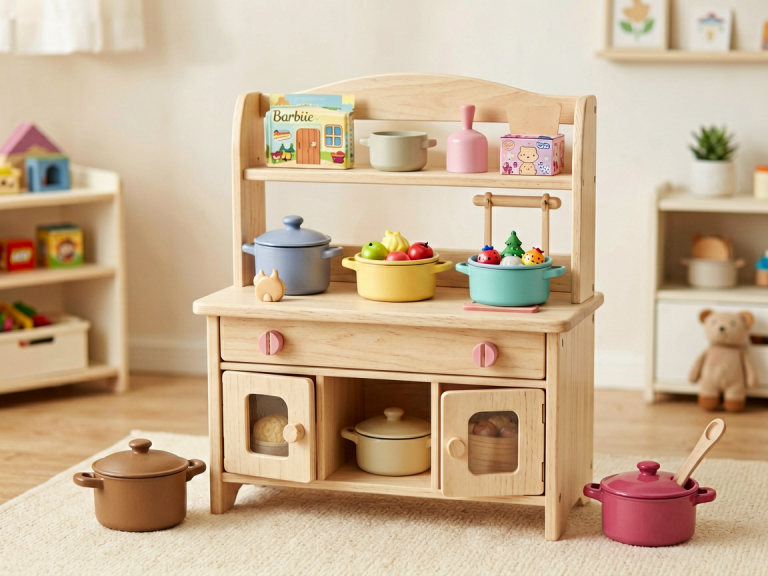
Set out toy cups, plates, and pretend food. Invite your child: “Would you like some tea? Here is your cup. I’m pouring tea. Oh, it’s hot! Blow on it.” Use words like “please,” “thank you,” “more,” and “delicious.” Your child will begin to imitate these social language routines. You can also pretend to call a friend on the phone to “invite” them, extending the conversation.
Activity 14: Doctor or Vet Play
Use a toy doctor kit. Pretend to check your child’s teddy bear: “The bear has a boo-boo. Let’s put a bandage on. Say ‘Ahh!’” Then have your child “examine” you. This activity introduces body part names, medical terms (stethoscope, thermometer), and empathetic language like “hurt,” “gentle,” “better.”
Activity 15: Grocery Store
Line up a few empty food boxes or toy fruits. Give your child a small bag or basket. “Let’s go shopping! I need apples. Can you put apples in my basket? Thank you. Now we need milk.” Count items together. This builds categorization and functional vocabulary.
Using Everyday Routines: Language in Real Life
Some of the best language learning happens during daily routines like dressing, eating, bathing, and going to the park. These predictable activities allow you to repeat key phrases over and over in a natural context.
Activity 16: Dressing Up with Choices
When getting dressed, offer two choices: “Do you want the red shirt or the blue shirt?” This gives your child a sense of control and encourages a verbal or gestural response. Describe each step: “First we put on your socks. The sock goes on your foot. Pull it up! Now the other foot.” Use sequence words: first, next, last.
Activity 17: Cooking Together
Even a two-year-old can help with simple tasks like stirring, washing vegetables, or adding pre-measured ingredients. Talk about what you see: “The banana is yellow and soft. We are going to mash it. Smash, smash!” Name the tools: bowl, spoon, mixer. Talk about taste: sweet, salty, sour. This multisensory experience enriches vocabulary related to food, texture, and actions.
Activity 18: Bath Time Stories
While bathing, create a simple story using waterproof toys. “The rubber duck is swimming. Now it dives under the water. Where did it go? Here it is! The duck says ‘Quack!’” Use bath crayons to draw simple shapes and name them. Describe the water temperature: “The water is warm. Feel it?” This builds descriptive language and narrative skills.
Screen Time? Use It Wisely (If at All)
For two-year-olds, the American Academy of Pediatrics recommends no more than one hour per day of high-quality programming, and ideally co-viewing with a parent. If you choose to use a screen, watch together and interact. Pause the show to ask questions or repeat a character’s phrase. For example, if watching a simple show like *Bluey* (which uses rich language and emotional vocabulary), say, “Bluey is sad. Why is Bluey sad? Because her balloon popped.” Turn passive viewing into an active, conversational experience.
The Power of Patience and Presence
The most important factor in a two-year-old’s language development is not the number of activities you do but the quality of your interaction. Speak to your child with warmth and respect. Listen when they babble or try to communicate, and respond as if they have said something profound—because to them, it is. Avoid constantly testing or quizzing (“What’s this? What’s that?”). Instead, weave language naturally into play.
Remember that every child develops at their own pace. If you have concerns about your child’s language milestones (e.g., not using any words by 18 months, not combining words by 24 months, or losing previously acquired language), consult a pediatrician or a speech-language pathologist for guidance.
Conclusion: Small Moments, Big Impact
From a simple game of peek-a-boo to a messy flour-filled sensory bin, every interaction holds the potential to grow a two-year-old’s language skills. The activities described above are not rigid lessons—they are invitations to connect, laugh, and communicate. When you narrate a bath, sing a silly song, or pretend to sip tea from an empty cup, you are doing more than teaching words. You are showing your child that language is a bridge to relationships, imagination, and understanding the world. Enjoy these fleeting, magical months. Your patience and playful presence are the most powerful tools of all.