The Power of Screen-Free Play: Engaging 4-Year-Olds in Creative, Independent Fun
In an age where tablets, smartphones, and streaming services are ever‑present, many parents of four‑year‑olds find themselves wrestling with a familiar challenge: how to keep their energetic, curious child busy without resorting to a glowing screen. The temptation is understandable—screens are convenient, quiet, and can buy a precious twenty minutes of peace. Yet research consistently shows that the richest development in early childhood happens through hands‑on, screen‑free play. For a four‑year‑old, play is not merely a way to pass time; it is the primary vehicle for learning language, building social skills, developing motor coordination, and cultivating the imagination. This article explores why screen‑free play is essential for four‑year‑olds and offers practical, engaging strategies to keep your little one happily occupied—without a single pixel.
—
Why Screen-Free Play Matters for Four‑Year‑Olds
At age four, children are at a remarkable developmental crossroads. They have mastered basic language and movement, yet they still rely on concrete, sensory experiences to understand the world. Screen‑based activities, especially passive consumption like watching videos, often deliver a one‑way stream of information that does not require the child to think, create, or solve problems. In contrast, screen‑free play engages the whole child: their hands, their muscles, their social instincts, and their emerging reasoning abilities.
Studies have shown that excessive screen time at this age can be linked to shorter attention spans, reduced vocabulary growth, and difficulties with self‑regulation. On the other hand, unstructured, open‑ended play helps children practice executive functions—the cognitive skills that allow them to plan, focus, and control impulses. When a four‑year‑old builds a tower of blocks and it collapses, she must decide whether to cry, try again, or build a different structure. That moment of decision is a tiny but profound lesson in persistence, problem‑solving, and emotional regulation—lessons no app can teach.
Moreover, screen‑free play encourages the kind of deep immersion that leads to what psychologists call “flow.” When a child is completely absorbed in sorting pebbles by colour, or arranging a tea party for stuffed animals, she is learning to concentrate for sustained periods. This is the foundation of later academic focus. So while it may feel harder in the moment to manage a busy child without a screen, the long‑term payoff in cognitive and emotional health is immense.
—
Setting the Stage: Creating an Inviting Environment for Play
One of the secrets to successful screen‑free play is preparation. A four‑year‑old is not naturally inclined to clean up or organise—but they are drawn to spaces that feel open, safe, and full of possibilities. Before you try to redirect your child away from a screen, take some time to set up your home environment in a way that naturally invites hands‑on exploration.
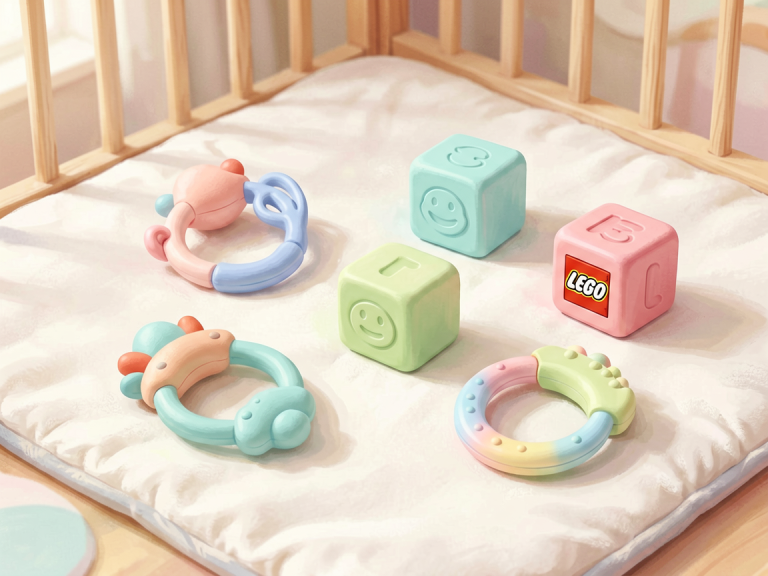
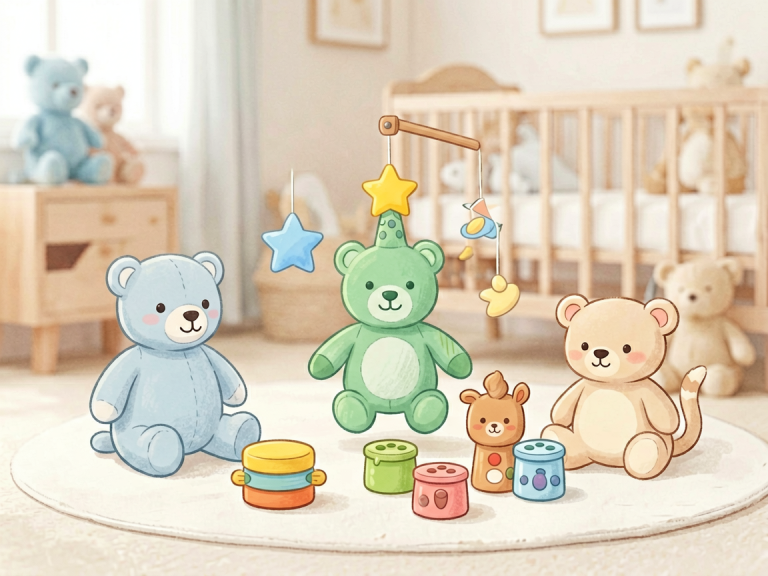
Start by designating a “play zone” where toys and materials are accessible at the child’s eye level. Use low, open shelves or baskets rather than deep toy boxes where items get buried. Rotate toys and materials weekly or bi‑weekly to keep novelty alive. You do not need an expensive collection: a few high‑quality items like wooden blocks, a set of plastic animals, crayons and paper, a play kitchen with empty containers, and some dress‑up clothes can provide weeks of entertainment when presented in a fresh arrangement.
Also consider the “less is more” principle. Psychologist Elinor Ochs, who studied children in different cultures, found that when children have too many toys, they tend to flit from one to another without engaging deeply. By keeping only a manageable variety out at once—say, five or six categories—you encourage longer, more meaningful play. Finally, ensure the space is safe and forgiving: a washable rug, easy‑to‑wipe surfaces, and a small table or floor mat for messy activities will help you relax and let the child explore without constant “no” or “stop.”
—
Simple, Low‑Prep Activities That Capture Attention
The best screen‑free activities for a four‑year‑old are those that require minimal adult direction but offer maximum engagement. Here are several categories, each with specific examples that you can implement with items you probably already have at home.
Sensory Play
Four‑year‑olds are sensory learners. They need to touch, smell, scoop, and pour. A simple sensory bin can keep a child busy for forty minutes or more. Fill a shallow plastic tub with uncooked rice, dried beans, or sand. Add scoops, small cups, funnels, and a few “treasures” like plastic dinosaurs or tiny bowls. The child will happily transfer the material from container to container, feeling the texture and practising fine motor control. For a twist, you can freeze small toys in a block of ice and let the child “rescue” them by pouring warm water or using a spoon—a simple scientific experiment that also builds patience.
Another sensory favourite is “play dough time.” Homemade play dough is easy to make with flour, salt, water, and cream of tartar, and it lasts for weeks. Provide plastic knives, cookie cutters, and a rolling pin. A four‑year‑old can knead, roll, cut, and shape for an astonishingly long time, all while strengthening hand muscles needed for writing later. Add a few drops of peppermint or lavender extract to the dough for an extra sensory layer.
Imaginative Play
At age four, the imagination is in full bloom. The simplest props can transform a living room into a castle, a spaceship, or a doctor’s clinic. Set up a “grocery store” with empty food boxes, a small basket, and play money. The child will take on the role of shopper or cashier, practicing counting, social scripts, and decision‑making. Or create a “post office” with recycled envelopes, stickers, and a small bag. The child can write (or scribble) letters to stuffed animals and “deliver” them around the house.
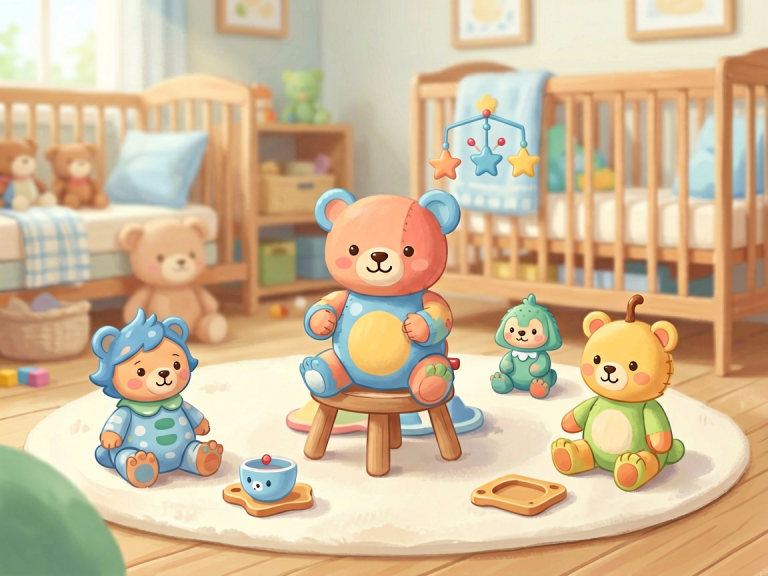
Dress‑up is another powerhouse of imaginative play. A simple collection of old scarves, hats, shoes, and one or two costumes (like a firefighter hat or a princess dress) allows a child to try on different identities. Watch as your child becomes a veterinarian treating a sick teddy bear, a chef cooking an invisible meal, or a superhero saving the day. No screens can match the cognitive complexity of this kind of role‑playing.
Fine Motor Activities
Fine motor skills—the ability to use small muscles in the hands—are crucial for future writing, buttoning, and self‑care. You can encourage them through playful tasks. Stringing large beads onto a shoelace is a classic; use wooden beads with different shapes and colours, and let the child create patterns. Threading also builds concentration and hand‑eye coordination.
Another low‑prep idea is a “clothespin game.” Clip clothespins around the edge of a paper plate, then have your child remove them one by one and clip them onto a string or a cardboard box. Alternatively, give the child a small pair of tongs and ask them to transfer pom‑poms or cotton balls from one bowl to another. This is challenging enough to hold their attention but simple enough to do independently.
Gross Motor Activities
A four‑year‑old needs to move. If you have access to an outdoor space, even a small balcony or backyard, send them outside with a ball, a bubble machine (supervised), or a simple obstacle course made from pillows and chairs. Indoors, you can create a “balancing path” with masking tape on the floor—ask them to walk along the line, hop on one foot, or walk sideways. A small trampoline (with safety net) or a pile of cushions for jumping into can release pent‑up energy.
“Simon Says” is another excellent no‑screen game that works on listening skills and motor control. Take turns being the leader, and keep the commands silly: “Simon says wiggle like a worm” or “Simon says freeze like a statue.” The giggles and movement are a perfect combination.
Quiet Time Activities
Not all play needs to be high‑energy. Four‑year‑olds also benefit from calm, quiet activities that help them learn to self‑regulate. Provide a “quiet box” or “busy bag” filled with puzzles (jigsaw puzzles with 8–20 pieces are ideal), magnetic tangrams, or a simple matching game with cards. Another favourite is “sticker art”: give the child blank paper and a collection of stickers (animals, vehicles, shapes) and let them create a scene. The act of peeling and placing stickers works fine motor skills, and the creative storytelling that emerges is a bonus.
Books are, of course, the ultimate quiet activity. Create a cozy reading nook with a few pillows and a small basket of picture books. Even if your child cannot read yet, they will leaf through the pages, retell the story from the pictures, or “read” aloud to a toy. This builds pre‑literacy skills and a love of reading that screens cannot replicate.
—
The Art of Boredom: Allowing Space for Creativity
One of the biggest hurdles for parents is the cry of “I’m bored!” that inevitably follows the removal of a screen. In our culture, boredom is often seen as a problem to be fixed. But for a four‑year‑old, boredom is a gift. When a child is bored, their mind is forced to wander, to imagine, and to invent. Some of the most creative play sessions begin with a child staring at an empty floor and then suddenly deciding to build a fort out of couch cushions, or to draw a giant rainbow across a piece of paper.
Resist the urge to jump in with an immediately structured activity. Instead, acknowledge the feeling: “It sounds like you’re feeling bored. That’s okay—boredom is a chance to think of something new.” Then step back. If you can hold the space, within five to fifteen minutes the child will likely find something to do. If not, you can offer a gentle suggestion— “Remember the blocks? I wonder if you could build a tower taller than your leg?”—but avoid taking over. The goal is to cultivate the child’s own resourcefulness.
—
Tips for Parents: How to Encourage Independent Play
Finally, here are practical strategies to help screen‑free play become a sustainable part of your daily routine.
- Start small. If your child is used to a lot of screen time, do not remove it all at once. Begin with a screen‑free block of 20 minutes each day, and gradually increase it as the child discovers the joys of hands‑on play.
- Set clear boundaries. Make “screen‑free hours” a predictable part of the day, such as after breakfast and before dinner. Consistency helps children accept the routine.
- Model screen‑free behaviour. If your child sees you scrolling on your phone while they are playing, they will naturally be drawn to the device. During playtime, put your own phone away and engage with your environment—read a book, fold laundry, or simply sit nearby and observe.
- Connect before disconnecting. Before you turn off the TV or tablet, spend five minutes of focused one‑on‑one time with your child. A quick snuggle, a short story, or a silly face game fills their emotional cup and makes the transition easier.
- Embrace mess. Messy play is deeply beneficial. Keep cleaning supplies handy and decide in advance that a little chaos is acceptable. If you can relax about the mess, your child will relax into deeper, more creative play.
- Involve the child in preparation. Let your four‑year‑old help choose which toys to put out, or help make play dough. When they have a hand in creating the play options, they are more invested.
—
Conclusion
Screen‑free play for a four‑year‑old is not a burden or a battle; it is an invitation to a richer, more connected childhood. When we step away from screens, we give our children the freedom to think, to feel, to move, and to create in ways that no digital experience can match. Yes, it requires intention, patience, and sometimes a willingness to accept a little mess. But the reward is a child who learns to entertain themselves, who discovers the joy of building a castle from nothing, and who develops the deep concentration and creativity that will serve them for a lifetime. So the next time your little one asks for a screen, offer them a box of blocks, a blanket for a fort, or just a moment of quiet space. Let them play. That is where the real magic happens.