Unplugged and Engaged: The Ultimate Guide to Screen-Free Play for Toddlers
Introduction: Why Screen-Free Play Matters More Than Ever
In today’s hyper-connected world, parents often find themselves reaching for a tablet or smartphone to keep a fussy toddler occupied during a long car ride, a grocery store queue, or a rainy afternoon. While digital devices can offer temporary relief, mounting research underscores the critical importance of screen-free play for toddlers. The American Academy of Pediatrics recommends that children between 18 and 24 months avoid screen time altogether (except for video chatting), and those aged 2 to 5 should have no more than one hour of high-quality programming per day. Yet many families struggle to fill the remaining waking hours with engaging, non-digital activities.
Screen-free play is not merely the absence of screens; it is a vibrant, active, and deeply developmental experience that shapes a toddler’s brain, body, and spirit. When toddlers build with blocks, squish playdough, chase bubbles, or pretend to cook a mud pie, they are not just “keeping busy.” They are honing fine and gross motor skills, learning cause and effect, developing social and emotional regulation, and strengthening creativity. Moreover, screen-free play offers parents a precious opportunity to connect, observe, and delight in their child’s natural curiosity. This article explores a rich array of screen-free play ideas for toddlers—organized into practical categories—that will keep little hands busy, minds growing, and hearts happy, without requiring a single pixel.
The Profound Benefits of Screen-Free Play for Toddlers
Before diving into specific activities, it is worth understanding why stepping away from screens is so vital. Toddlers learn best through direct, hands-on, multisensory experiences. When a child pushes a wooden train along a track, they feel the weight, hear the clickety-clack, and see the wheels turn. No app can replicate that tactile feedback. Screen-free play also promotes language development. A study in *JAMA Pediatrics* found that toddlers who engage in more interactive, non-screen activities tend to have stronger vocabulary growth, partly because conversations with caregivers happen naturally during play—talking about colors, shapes, and actions.
Another key benefit is attention span. Screens are designed to be hyper-stimulating, with rapid scene changes and bright flashes that can shorten a toddler’s ability to focus on slower, more sustained activities. In contrast, building a tower of blocks requires patience and concentration. When the tower falls, the child learns resilience and problem-solving. Additionally, screen-free play encourages physical movement. Toddlers are naturally active; they need to climb, jump, run, and balance. Sedentary screen time can hinder the development of gross motor skills and contribute to childhood obesity. Finally, unstructured screen-free play fosters imagination. A cardboard box becomes a spaceship, a kitchen, a castle. That imaginative leap is the foundation of creative thinking, empathy, and innovation later in life.
Creative Indoor Activities: Turning Your Living Room into a Wonderland
Rainy days or cold winters can make outdoor play impossible, but the indoors offer endless opportunities for screen-free engagement. One of the simplest yet most effective activities is the sensory bin. Fill a shallow plastic tub with dry rice, beans, or oatmeal. Add small scoops, cups, spoons, and a few plastic animals or cars. Toddlers love scooping, pouring, and burying objects. This activity strengthens hand muscles, teaches basic physics (full vs. empty), and can keep a child occupied for 30 minutes or more. Supervise closely with small items to avoid choking hazards, and use larger bins to minimize mess (or lay a sheet underneath).
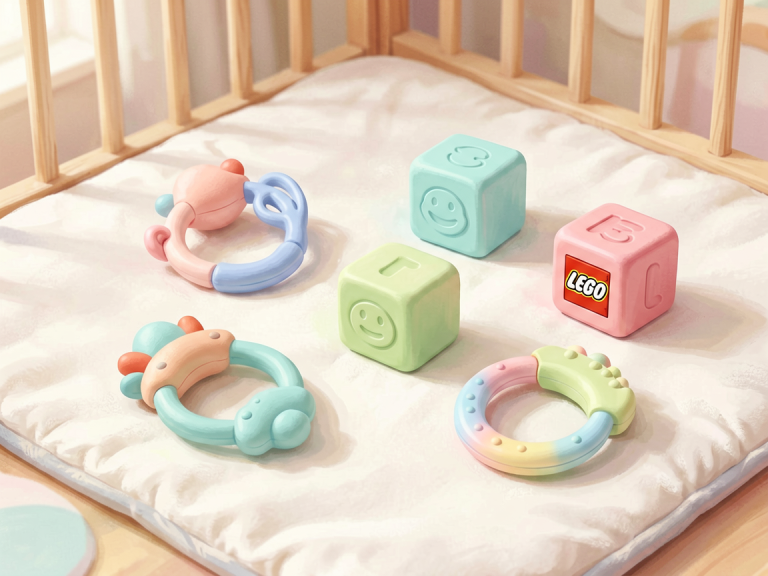
Another classic is building with blocks. Invest in a set of wooden unit blocks or large Duplo-style bricks. Encourage your toddler to build a tower, a road, or a house. You can add toy people, animals, or a small car to extend the play. Narrate what they are doing: “You’re putting the blue block on top. Now the tower is tall!” This builds vocabulary and spatial awareness. For a more artistic twist, try contact paper collages. Tape a piece of clear contact paper to a wall or table, sticky side out. Give your toddler bits of tissue paper, leaves from a walk, feathers, or fabric scraps. They can stick them onto the paper, creating a colorful mosaic. It’s mess-free (the mess sticks to the paper) and perfect for fine motor practice.
Don’t underestimate pretend play. Keep a basket of dress-up clothes—old scarves, hats, shoes, and costumes. A toddler becomes a firefighter, a doctor, or a princess in seconds. Offer a few props: a toy stethoscope, a cardboard tube telephone, a wooden spoon. Then step back and let their imagination take the lead. You can also set up a “kitchen” with plastic pots, pans, and play food. Toddlers love imitating adults; letting them “cook” while you prepare real dinner can be a joyful parallel play experience.
Engaging Outdoor Adventures: Let Nature Be the Screen
When weather permits, outdoor screen-free play is unmatched. Nature provides an ever-changing, open-ended playground. Water play is a toddler favorite. Fill a small kiddie pool with a few inches of water and provide cups, funnels, floating toys, and a watering can. Add a few drops of food coloring for a surprise. Water play teaches volume, buoyancy, and cause and effect. Always supervise water play closely.
Scavenger hunts are another gem. Create a simple list with pictures (if your toddler can’t read): a red leaf, a smooth rock, a dandelion, a pinecone, a feather. Walk around your yard or a park and collect items in a paper bag. This encourages observation, classification, and language as you name each object. Alternatively, try sidewalk chalk. Draw a road for toy cars, hopscotch squares, or just let the child scribble freely. Chalk washes away with rain, so there is no permanence—an inviting blank slate each time. For older toddlers, bug hunting can be magical. Turn over a rock or log and watch ants, roly-polies, or worms. Talk about how they move, what they eat, and where they live. This instills a sense of wonder and respect for living creatures.
Sensory and Messy Play: Embrace the Chaos (and Cleanup)
Many parents shy away from messy play, but it is one of the most developmentally rich screen-free experiences. Playdough is a staple. You can buy it or make it at home with flour, salt, water, and cream of tartar. Add a drop of lavender essential oil for a calming scent. Provide rolling pins, cookie cutters, plastic knives, and googly eyes. Toddlers will pound, roll, and shape for ages. The squeezing action strengthens hand muscles needed for writing later. Finger painting is another favorite. Use edible paints (like yogurt mixed with food coloring) for babies under one, or washable tempera for toddlers. Cover the table with newspaper, put your child in an old T-shirt, and let them smear, swirl, and splat. Name the colors and shapes they make: “Look, you made a red circle!”
For an outdoor messy activity, try mud kitchen. In a corner of the yard, set up a small table or overturned tub with plastic dishes, spoons, and a bucket of water. Let your toddler mix dirt and water to create “soup,” “cake,” and “pie.” Mud play is sensory heaven—wet, cold, squishy. It also encourages cooking pretend play and collaboration if siblings join in. Afterward, a hose-down is part of the fun. Shaving cream on a plastic table or high-chair tray is another no-fail activity. Add a few drops of food coloring, and let your child draw swirly patterns with fingers. Shaving cream wipes up easily from surfaces.
The Role of Parents: Facilitating, Not Directing
Screen-free play does not mean parents must be constant entertainers. In fact, one of the greatest gifts you can give a toddler is the freedom to explore independently. Your role is to set up a safe, inviting environment and then step back. Let your child choose what to play with and how. Intervene only for safety or when they seem frustrated and need a gentle nudge. Sometimes you can simply sit nearby, sipping coffee, and offer an occasional comment: “I see you put the red car in the garage.” This “sportscasting” validates their play without taking over.
However, there are moments when joint engagement is wonderful. Parent-child music time is a perfect example. Put on a kid-friendly playlist (e.g., “The Wheels on the Bus”) and sing, dance, and clap together. Use simple instruments like shakers, bells, or a drum. This builds rhythm, coordination, and emotional bonding. Reading together is, of course, the cornerstone of screen-free learning. Keep a basket of board books within reach and read each one multiple times. Point to pictures, ask questions (“Where is the dog?”), and act out sound effects. This promotes pre-literacy skills and a lifelong love of stories.
Overcoming Common Challenges: Boredom, Mess, and Parental Energy
It is normal for toddlers to get bored quickly at first. Screens have conditioned many children to expect constant, high-octane stimulation. When you first remove screens, expect some resistance. Stick with it. Boredom is actually a catalyst for creativity. When a child whines, “I don’t know what to do,” suggest two or three options from your prepared activity list: “You can play with blocks or do the sensory bin. You choose.” Gradually, they will learn to self-initiate.
Mess is another hurdle. Accept that screen-free play often looks messy. Set boundaries: messy play can happen at the table, in the high chair, or outside. Use aprons, lay down plastic tablecloths, and keep wipes handy. Teach cleanup as part of the activity. After finger painting, say, “Now we wipe the table together.” This teaches responsibility. Finally, parents need energy, too. You don’t have to orchestrate elaborate setups every day. Rotate toys (put half away and switch them out every two weeks) so old items feel new. A simple empty cardboard box can be more exciting than an expensive toy. Let go of the pressure to be a Pinterest-perfect parent. Your presence and patience matter far more.
Conclusion: A Screened-Free Childhood Is Within Reach
Screen-free play for toddlers is not an impossible ideal—it is a practical, joyful, and profoundly beneficial way to structure a child’s day. By offering a variety of sensory, creative, physical, and imaginative activities, parents can keep toddlers happily busy while nurturing essential developmental skills. The key is to start small. Replace one 20-minute screen session with a simple playdough or block play. Observe how your child lights up when they are truly engaged, not passively entertained. Gradually, you will build a rhythm of screen-free time that feels natural and sustainable.
Remember that toddlers need repetition. They love doing the same activity over and over because that is how they master skills. Do not feel that you must constantly invent new ideas. A few well-loved activities—such as pouring rice, stacking blocks, and blowing bubbles—can fill hours with genuine delight. And as you sit together on the living room floor, squishing playdough or watching a caterpillar crawl across a leaf, you are giving your child something no screen ever can: your undivided attention, the warmth of your presence, and the freedom to learn through the real, messy, beautiful world around them.