The Magic of Open-Ended Play: Essential Activities for Toddlers Growth
In the bustling world of early childhood, few things are as transformative as open-ended play. For toddlers—those curious, energetic explorers aged one to three—every day is a new adventure. Yet, in an era of flashing screens, battery-operated toys, and structured schedules, the simple, child-driven power of open-ended play is often undervalued. This article explores what open-ended play truly means, why it is essential for toddler development, and provides a rich collection of activities that parents, caregivers, and educators can easily implement. By the end, you will see that the best playthings are not the ones that do the most—but the ones that allow a toddler to do the most with them.
What Is Open-Ended Play?
Open-ended play refers to activities that have no predetermined outcome, no fixed set of rules, and no single “correct” way to use the materials. Unlike a puzzle with one solution or a toy that lights up and sings when a specific button is pressed, open-ended play gives the child full control. A cardboard box, for instance, can become a spaceship, a car, a castle, or a drum. A pile of wooden blocks can be stacked into a tower, laid out as a road, or sorted by color. The possibilities are limited only by the toddler’s imagination.
This type of play is fundamentally different from closed-ended or structured play, which often emphasizes performance, compliance, and a narrow range of acceptable actions. Open-ended play, in contrast, honors the child’s natural curiosity, decision-making, and problem-solving. It is not about “getting it right” but about exploring, experimenting, and discovering. For toddlers, whose brains are growing at an astonishing rate—forming up to one million new neural connections per second in the first few years—open-ended play provides the rich, varied input that healthy development requires.
Why Open-Ended Play Matters for Toddlers
The benefits of open-ended play extend far beyond mere entertainment. For toddlers, every moment of this kind of play is a learning opportunity that builds foundational skills across multiple domains.
Cognitive Development and Problem-Solving
When a toddler decides to stack a block on top of another and watches it fall, they are not failing—they are experimenting with cause and effect, gravity, balance, and spatial relationships. Open-ended play encourages trial and error without fear of failure. It fosters flexible thinking and creativity because there is no single answer. A toddler who uses a scarf as a cape, a blanket, or a pretend river is practicing symbolic thinking, a precursor to later literacy and abstract reasoning.
Language and Communication Skills
Open-ended play naturally invites language. A toddler playing with a doll may say, “Baby sleeping,” or while building with blocks, they might announce, “Big tower!” Caregivers who join the play and narrate the toddler’s actions (“You put the red block on top. Now the tower is very tall!”) are modeling vocabulary and sentence structures. Moreover, when play is open-ended, toddlers are more likely to initiate conversations, ask questions, and express their ideas. The rich back-and-forth of social interaction during play supports both receptive and expressive language development.
Social-Emotional Growth
Toddlers are just beginning to understand their own emotions and those of others. Open-ended play offers a safe arena for these explorations. A child who pretends to feed a stuffed animal is practicing empathy; a toddler who insists on carrying all the blocks by herself is building a sense of autonomy and persistence. Because there is no “wrong” way to play, toddlers experience less frustration and more pride in their accomplishments. They learn to negotiate, share, and take turns when playing with others, all within a low-stakes environment.
Motor Skills and Sensory Integration
From grasping a small pebble to balancing on a log, open-ended play engages both fine and gross motor skills. Sensory-rich activities—like squishing playdough, pouring sand, or splashing water—help toddlers integrate sensory input, which is crucial for body awareness, coordination, and self-regulation. Unlike rigid toys that only move in one way, open-ended materials challenge toddlers to adapt their movements, strengthening their muscles and refining their control.
Top Open-Ended Play Activities for Toddlers
The beauty of open-ended play is that it often requires very little—and the best materials are usually already in your home. Below are carefully chosen activity categories, each designed to ignite different aspects of a toddler’s development while remaining simple, safe, and deeply engaging.
Building and Constructing with Blocks and Loose Parts
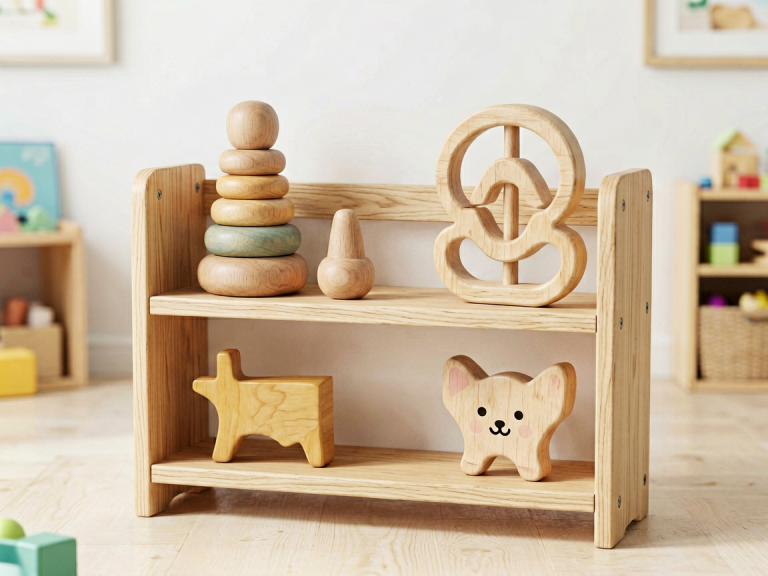
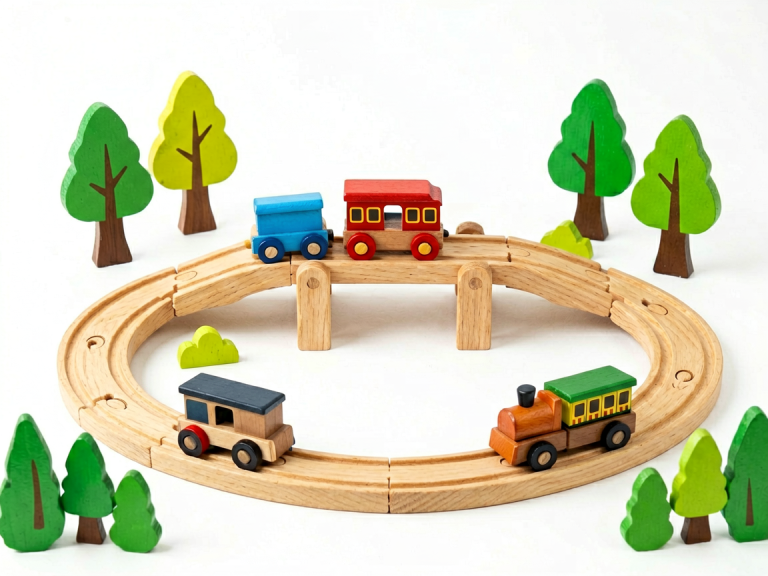
Blocks are perhaps the quintessential open-ended toy. Start with a set of simple wooden or cardboard blocks of various sizes. A toddler might first explore by stacking them, then knocking them down with glee. Over time, they will begin creating patterns, bridges, and enclosures. To extend the possibilities, introduce “loose parts”—everyday items that are safe, varied, and free from a fixed purpose. Think of fabric scraps, large buttons (with supervision), empty spools, plastic bottle caps, cardboard tubes, and small baskets.
The key is to offer these materials without instructions. Place them in a low basket on the floor and let your toddler discover them. One day, a cardboard tube might be a telescope; the next, it could be a tunnel for a toy car. Loose parts encourage divergent thinking—the ability to see many uses for one object—which is a hallmark of creativity. Furthermore, manipulating small objects helps strengthen the fine motor muscles needed for future writing and self-care tasks.
Sensory Play: Sand, Water, and Natural Materials
Sensory play is a toddler’s natural language. A simple bin filled with dry rice, oatmeal, or sand can provide hours of exploration. Add scoops, small cups, funnels, and spoons. Watch as your toddler pours, fills, dumps, and refills. These actions teach early math concepts like volume, capacity, and conservation. Water play is equally powerful. On a warm day, set up a shallow tub of water with plastic boats, sponges, and measuring cups. Let your toddler pour water from one container to another, splash, and observe how different objects sink or float.
For a grounding, nature-based experience, fill a tray with dirt, leaves, pinecones, and pebbles. Toddlers love to dig, bury small treasures, and create tiny landscapes. All these activities also have a calming effect; the repetitive motions of scooping or pouring can help a toddler regulate their emotions. Just be prepared for mess—use a plastic tablecloth or take the play outside, and always supervise closely.
Creative Art with Non-Toxic Materials
Art for toddlers is not about producing a recognizable drawing; it is about the process. Provide large sheets of paper (or recycled cardboard) and washable, non-toxic paint. But instead of brushes, offer unusual tools for dipping and stamping: sponges, potato mashers, toy cars, leaves, or even fingers and feet. Finger painting is a glorious sensory experience that combines texture, color, and movement. A toddler might mix all the colors together into a brown blob—that’s perfect. They are learning about color mixing, cause and effect, and the sheer joy of making marks.
Another powerful open-ended art activity is playdough. Make your own with flour, salt, water, and vegetable oil. Add natural scents like cinnamon or a few drops of peppermint extract for an extra sensory layer. Provide plastic knives, cookie cutters, and small sticks. A toddler can poke, roll, squeeze, and flatten the dough. This builds hand strength and creativity. Remember, the goal is exploration, not a finished product. Resist the urge to say, “What is it?” Instead, comment on the process: “I see you are pressing hard with your fingers.”
Pretend Play and Dramatic Play
Toddlers are natural mimics. A simple collection of dress-up items—scarves, hats, old shirts, and soft bags—can spark dramatic play. A scarf can be a cape, a baby wrap, or a river for toy fish. A large cardboard box can become a kitchen, a car, or a cozy cave. To facilitate pretend play, set up a “home corner” with a small table, cups, spoons, and a doll or stuffed animal. Your toddler will likely start “cooking” imaginary meals, feeding their toy, and talking to it.
Pretend play is crucial for developing narrative skills, empathy, and social understanding. When a toddler pretends to be a mommy or a firefighter, they are practicing roles they observe in the world. They also learn to sequence events: first I stir the soup, then I pour it, then I feed the baby. This sequencing is a foundation for logical thinking and storytelling. Join in gently, following your child’s lead rather than directing the scene.
Outdoor Exploration and Nature Play
The natural world is the ultimate open-ended environment. A patch of grass, a pile of leaves, or a small garden offers endless possibilities. Take your toddler to a park or just your backyard. Let them collect sticks, stones, leaves, and acorns. Show them how to stack stones, make a “soup” with mud and water in an old pot, or blow dandelion seeds. Digging in dirt with a small shovel strengthens gross motor skills and provides rich tactile input.
Nature also invites physical challenges that build confidence. A low tree stump to climb on, a gentle slope to roll down, a patch of sand to run through—all these experiences help toddlers understand their bodies in space. Moreover, being outdoors has been shown to reduce stress and improve attention. Schedule unstructured outdoor time daily, even for just 20 minutes. Let your toddler set the pace; they might spend 15 minutes examining one ant, or they might run joyfully in circles. Both are valid forms of exploration.
Music and Movement with Simple Instruments
Music is a naturally open-ended medium. Provide toddlers with simple instruments like shakers (fill small, sealed bottles with rice or beans), drums (an empty oatmeal container works beautifully), and bells. You do not need to teach songs or rhythms. Instead, let your toddler create their own sounds. They might bang a drum fast, then slow; shake a rattle hard, then softly. This is an early lesson in dynamics, tempo, and cause and effect.
Move with them. Put on a variety of music—classical, folk, world music—and let them dance however they wish. They might twirl, jump, stomp, or crawl. This spontaneous movement builds body awareness, coordination, and emotional expression. Avoid correcting their movements; instead, mirror them. If they hop, you hop. If they wiggle, you wiggle. This shared experience strengthens your bond and validates their creativity.
Tips for Parents and Caregivers
To truly support open-ended play, your role is not to teach but to prepare the environment and then step back. Here are a few practical guidelines:
- Curate, don’t overwhelm. Rotate toys and materials. A toddler faced with too many options may become overstimulated. Offer just a few open-ended materials at a time and change them every week or two.
- Embrace mess. Mess is a sign of deep engagement. Protect floors with a tarp, dress your toddler in old clothes, and keep wipes handy. Remember: you can clean up later, but the developmental benefits last a lifetime.
- Focus on the process, not the product. Avoid asking “What did you make?” Instead, describe what you see: “You piled the blocks very high!” or “You are squeezing the dough between your fingers.”
- Allow boredom. Boredom is often the spark of creativity. If your toddler says “I don’t know what to do,” resist the urge to give instructions. Instead, ask open questions: “I wonder what those blocks could become today?” Silence and space can lead to the most inventive play.
- Safety first. Always supervise toddlers, especially with small objects, water, or anything that could be a choking hazard. Choose materials that are non-toxic, age-appropriate, and free from sharp edges.
Conclusion
Open-ended play is not a luxury; it is a necessity for healthy toddler development. It respects the child’s innate drive to learn, experiment, and make sense of the world. By providing simple, flexible materials and a supportive, unhurried environment, you give your toddler the greatest gift: permission to be curious, creative, and fully present in the moment. The next time you see your toddler pushing a cardboard box across the floor, remember: they are not just playing. They are building the neural pathways that will carry them through a lifetime of learning. So step back, observe, and marvel at the magic unfolding right in your living room.