parent guide to support learning at home for 11 year old boys
The At-Home Learning Companion: A Parent’s Guide to Supporting Your 11-Year-Old Boy
Introduction
The age of eleven is a fascinating crossroads in a boy’s development. He is no longer a little child, yet not quite a teenager. His brain is undergoing a major rewiring, his body is beginning the slow dance of puberty, and his social world is expanding in ways that both excite and unsettle him. For parents, supporting learning at home during this stage can feel like navigating a minefield while juggling torches. The good news is that with the right strategies, you can turn your home into a launchpad for curiosity, resilience, and genuine intellectual growth. This guide is written specifically for parents of 11-year-old boys, drawing on developmental psychology, educational research, and the messy, real-world experience of raising a boy at this age.
—
1. Understanding the 11-Year-Old Brain: Why Your Son Learns Differently Now
Before diving into tactics, it is essential to understand what is happening inside your son’s head. At eleven, the prefrontal cortex—the part of the brain responsible for impulse control, planning, and decision-making—is still under construction. Meanwhile, the limbic system, which governs emotions and reward-seeking, is in overdrive. This mismatch explains why an 11-year-old boy can ace a math test one day and forget his homework the next. He is also experiencing a surge in testosterone (yes, even before obvious puberty signs), which fuels a need for competition, physical activity, and risk-taking.
Implication for home learning:
Short, focused sessions (20–30 minutes) work far better than long, drawn-out study periods. Incorporate movement—let him stand while reading, pace while memorizing facts, or squeeze a stress ball during problem-solving. His brain craves novelty and challenge, so avoid rote repetition. Instead, turn learning into a game or a quest. And above all, be patient with lapses in organization. His messy backpack is not a moral failing; it is a developmental stage.
—
2. Setting Up the Physical and Temporal Environment
2.1 The Learning Space: Not a Desk, a Command Centre
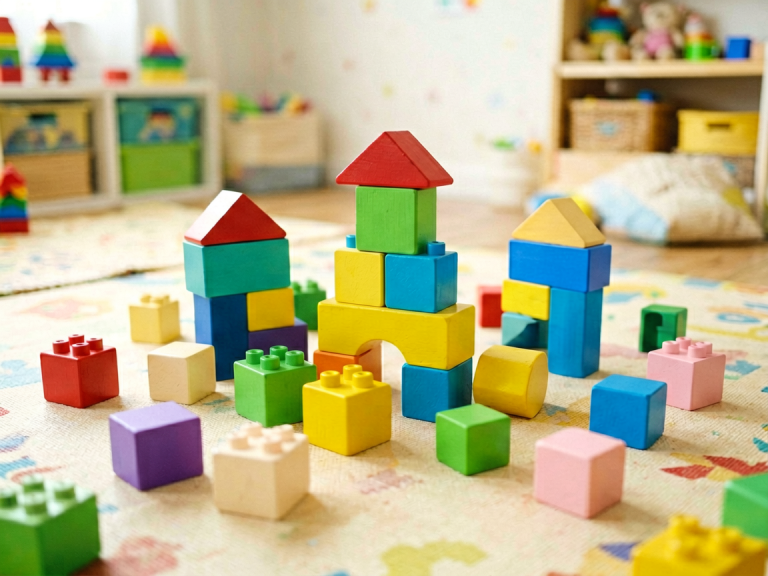
For an 11-year-old boy, the ideal learning space is not a silent, pristine desk in a corner. It is a “command centre” that feels both personal and functional. Let him help design it. A small whiteboard for jotting down ideas, a corkboard for displaying completed work, and a container for fidget toys (stress balls, building blocks) are all good investments. The chair should swivel—boys often need to shift and move while thinking. Keep the space away from high-traffic areas to minimize distractions, but allow for background noise if he prefers it (some boys concentrate better with low-volume music or white noise).
2.2 The Daily Schedule: Rhythm, Not Rigidity
Eleven-year-olds thrive on predictable routines, but they also rebel against being micromanaged. Create a loose daily rhythm rather than a minute-by-minute timetable. For example:
- Morning block (30 minutes): Review yesterday’s concepts or do a brain-teaser puzzle before school (if home-schooling) or after school (if he’s in traditional school).
- Afternoon block (40 minutes): Focus on the hardest subject first, when his mental energy is highest. Take a 10-minute break that involves jumping jacks, a quick bike ride, or a dance-off.
- Evening block (20 minutes): Light reading or a hands-on project (science experiment, coding, building).
The key is to build in “white space”—unstructured time where he can daydream, tinker, or just be bored. Boredom is the mother of creativity.
—
3. Motivation: Moving Beyond Bribes and Threats
3.1 The “Why” Behind the Work
Boys this age ask “Why do I need to learn this?” constantly. Do not dismiss the question. Instead, connect school subjects to his real-world interests. If he loves Minecraft, explain how algebra is used in game design, or how geometry creates 3-D worlds. If he’s obsessed with sports, show him statistics and probability in baseball averages, or physics in the arc of a basketball shot. When he sees learning as a tool for his passions, intrinsic motivation sparks.
3.2 The Power of Autonomy
Give him choices. “Do you want to do math first or reading?” “Would you rather write a report or build a diorama?” “Should we work for 25 minutes or 30 minutes on this chapter?” When a boy feels he has some control over his learning, he is far more likely to engage. Also, allow him to set his own goals. Ask, “What do you want to accomplish in science this week?” and help him break it down into manageable steps.
3.3 The “Two Stars and a Wish” Rule
Instead of pointing out every mistake, use the “two stars and a wish” feedback method. First, highlight two things he did well (e.g., “Your hypothesis was clear” or “You used evidence to support your argument”). Then, give one gentle suggestion for improvement (“I wish you had checked your spelling on page two”). This builds confidence while still pushing growth.
—
4. Subject-Specific Strategies for an 11-Year-Old Boy
4.1 Reading and Writing: From Reluctant to Engaged
Many boys at this age develop a “reading slump.” They prefer screens to pages. To counter this:
- Let him choose the material. Graphic novels, non-fiction about dinosaurs or space, sports biographies, even comic-books—all are valid reading. The goal is to build the habit, not to enforce literary classics.
- Use the “five-minute rule” for writing. Writing assignments can feel overwhelming. Have him write for just five minutes, with no judgment. Then five more. Gradually increase.
- Create a “writer’s workshop” at home. Let him write a review of a video game, a letter to a grandparent, a short script for a YouTube video, or a diary entry from the perspective of a historical figure.
4.2 Mathematics: Making It Tangible
Math anxiety is rampant in boys who feel they “just aren’t good at math.” Combat it by:
- Using real-world applications. Cook together and double or halve recipes to practice fractions. Build a bookshelf to practice measurement and angles. Plan a road trip budget.
- Playing math games. Card games, board games (Settlers of Catan, Monopoly), and online platforms like Prodigy or Khan Academy turn practice into play.
- Emphasizing the process over the answer. When he makes a mistake, ask, “What did you try? Where did it go wrong?” This teaches problem-solving resilience.
4.3 Science: The Ultimate Boy-Magnet
Science is often an 11-year-old boy’s favourite subject because it is hands-on and messy. Lean into this:
- Conduct experiments at home. Build a volcano, grow crystals, create a simple circuit, or test which materials are magnetic. The messier, the more memorable.
- Watch documentaries together. BBC’s “Planet Earth,” YouTube channels like “Smarter Every Day” or “Mark Rober” spark curiosity.
- Encourage tinkering. If he wants to take apart an old remote control (safely), let him. Disassembly is a form of learning.
4.4 History and Social Studies: Stories, Not Dates
Boys connect with narrative. Instead of memorizing dates, tell the story of the Battle of Gettysburg as if it were a movie plot, with heroes, villains, and turning points. Use historical fiction (like “I Survived” series), visit local museums (even virtually), and create a timeline on the wall with string and photos. Encourage him to imagine what it would be like to live in a different era.
—
5. Managing Screen Time and Digital Learning
5.1 The Screen as a Tool, Not a Distraction
At eleven, screens are a fact of life. The goal is not to ban them but to teach healthy boundaries.
- Use timers. Set a clear limit on recreational screen time (e.g., 45 minutes after homework). Use apps like “Screen Time” on iOS or “Family Link” on Android.
- Curate educational content. YouTube channels like “Crash Course Kids,” “MinutePhysics,” and “Numberphile” are both entertaining and informative.
- Co-view and discuss. Sit with him for ten minutes while he plays a game or watches a video. Ask questions: “What strategy are you using?” “What do you think about what that person said?” This turns passive consumption into active learning.
5.2 Avoiding the Homework-Helper Trap
Many parents fall into the trap of hovering over their son’s digital homework, providing answers or constant reminders. Step back. Let him struggle—within reason. If he forgets an assignment, let him face the natural consequence at school. This teaches responsibility far more effectively than nagging. Offer help only when he asks for it, and then do not solve the problem; guide him to solve it himself.
—
6. Fostering Emotional and Social Learning
6.1 Talking About Feelings
Boys are often socialised to hide emotions. At home, normalize emotional vocabulary. Use “I feel” statements yourself. When he is frustrated with a tough problem, say, “It’s normal to feel stuck. Let’s take a deep breath and try again.” Create a “feelings chart” where he can point to how he’s feeling before starting homework. This builds emotional intelligence, which directly supports learning by reducing anxiety and improving focus.
6.2 The Importance of Play and Physical Activity
Learning is not confined to books. An 11-year-old boy needs at least 60 minutes of physical activity per day. This could be organized sports, bike rides, skateboarding, or just roughhousing with siblings. Physical movement increases blood flow to the brain, improves mood, and helps with concentration. Do not treat play as a reward after work; treat it as a prerequisite.
6.3 Encouraging Peer Learning
Boys learn well in groups. Arrange study sessions with a friend—even if they are virtual. Let them quiz each other, build projects together, or debate a topic. Social interaction makes learning more engaging and reduces the feeling of isolation that can come with at-home study.
—
7. When to Step In and When to Step Back
7.1 Signs That Your Son Needs Extra Support
If you notice persistent struggles—falling grades, extreme avoidance, tears before homework, or physical symptoms like headaches or stomachaches—it may be time to investigate further. Conditions like ADHD, dyslexia, or anxiety often surface around age eleven. A conversation with his teacher, pediatrician, or a school psychologist can provide clarity. Early intervention is key.
7.2 Celebrating Effort, Not Just Results
Finally, the most important lesson you can teach your son is that learning is a journey, not a destination. When he tries something hard and fails, praise his persistence. When he improves just a little, celebrate that win. Create a “growth mindset” culture at home by saying things like, “You didn’t get it yet, but you will,” and “Mistakes help your brain grow.” Over time, this mindset will make him more willing to take academic risks and bounce back from setbacks.
—
Conclusion: You Are His First and Most Important Teacher
Supporting learning at home for an 11-year-old boy is not about drilling facts or enforcing rigid schedules. It is about creating an environment where curiosity is welcomed, mistakes are safe, and effort is honoured. You are not expected to be a subject-matter expert; you are expected to be a guide, a cheerleader, and a source of unconditional support. Some days will be frustrating. Some days he will resist everything you suggest. But on the days when he suddenly explains a concept you didn’t even know he understood, or when he asks a question that makes you think, you will know that your quiet, consistent presence is shaping a lifelong learner. Keep going. You’ve got this.