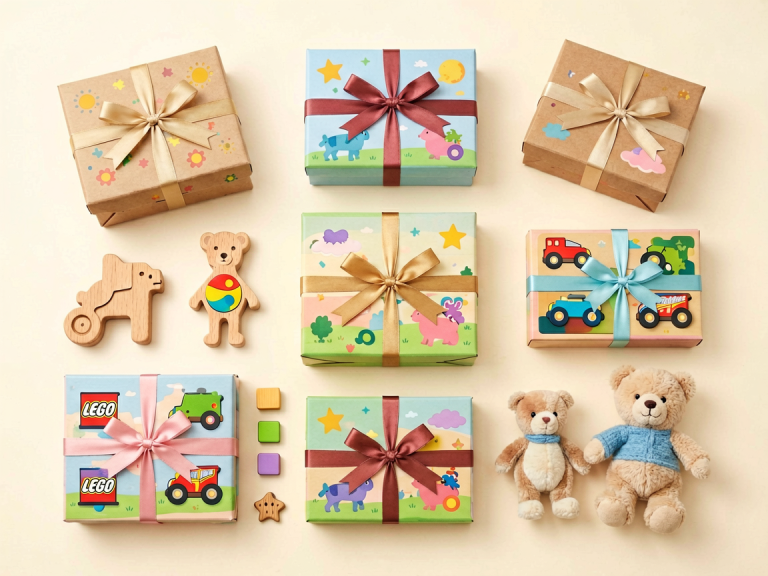
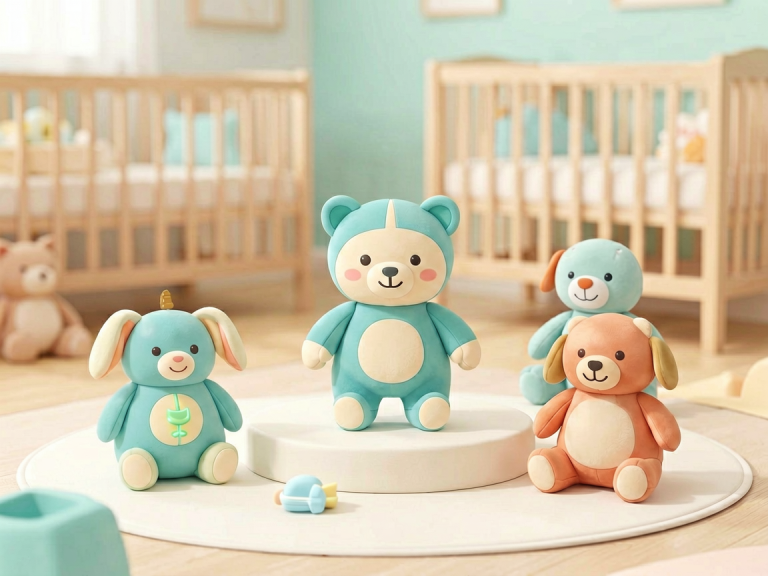
The Power of Play: Beginner Toys for Building Social Skills in Children
Social skills are often described as the invisible threads that weave human connections. For young children, learning how to share, take turns, express emotions, and cooperate with others is as fundamental as learning the alphabet. While many parents focus on academic readiness, the ability to navigate social interactions is equally critical for long-term success and happiness. One of the most natural and effective ways to cultivate these skills is through play. With the right beginner toys, children can practice social dynamics in a low-pressure, joyful environment. This article explores a variety of beginner-friendly toys specifically designed to nurture social skills, offering practical guidance for parents, educators, and caregivers.
Why Toys Matter for Social Development
Play is the language of childhood, and toys are its vocabulary. Unlike structured lessons or formal instruction, play allows children to experiment with social roles, negotiate rules, and experience the consequences of their actions in a safe setting. Research in developmental psychology consistently shows that children who engage in cooperative play develop stronger empathy, better conflict-resolution abilities, and higher emotional intelligence. Beginner toys for social skills serve as scaffolding: they provide clear rules, manageable challenges, and opportunities for interaction without overwhelming a child who is still learning the basics of human connection. The key is selecting toys that encourage collaboration rather than competition, communication rather than isolation, and turn-taking rather than solitary absorption.
Cooperative Board Games: Learning to Work Together
One of the most effective categories of beginner toys for social skills is cooperative board games. Unlike traditional games where there is a single winner and multiple losers, cooperative games require all players to work together toward a common goal. This structure removes the fear of losing and replaces it with a shared sense of achievement. Games like *The Sneaky, Snacky Squirrel Game!* (ages 3+) or *Hoot Owl Hoot!* (ages 4+) are excellent examples. In *Hoot Owl Hoot!*, players must help the owls fly back to their nest before the sun rises. Every move benefits the entire group, so children learn to strategize together, celebrate small victories, and support each other when things go wrong.
These games naturally teach several social skills. First, they require verbal communication: children must discuss their moves, ask for opinions, and sometimes persuade others. Second, they foster patience: waiting for one’s turn while actively cheering for teammates builds impulse control. Third, they introduce the concept of shared responsibility: if the group fails, it is not one child’s fault, but a collective learning experience. For beginners, especially those who are shy or struggle with losing, cooperative games provide a gentle entry point into group play.
Role-Playing and Pretend Play Toys: Building Empathy and Communication
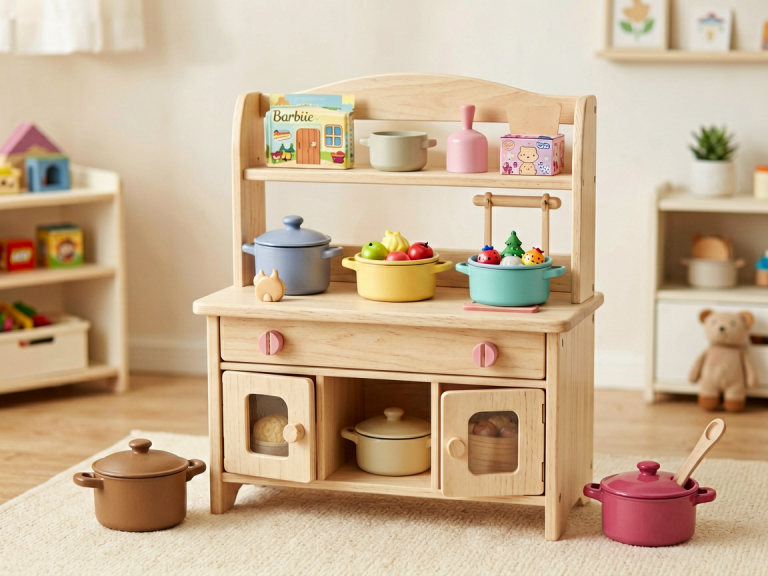
Dress-up costumes, play kitchens, doctor kits, and puppet theaters are the timeless champions of social skill development. Role-playing toys allow children to step into someone else’s shoes—literally and figuratively. When a child puts on a firefighter helmet or picks up a toy stethoscope, they are not just playing; they are experimenting with different perspectives. This is the bedrock of empathy. A child pretending to be a patient learns to describe symptoms and ask for help. Another child playing the doctor learns to listen, offer reassurance, and explain procedures. These interactions require turn-taking in dialogue, reading social cues, and adapting responses based on the other person’s reactions.
Puppets are especially powerful for children who are shy or have language delays. A hand puppet can become a safe mouthpiece: the child speaks through the puppet, which feels less intimidating than direct conversation. Parents and teachers can model social scenarios using puppets, such as how to invite someone to play or how to apologize after a conflict. Dollhouses and action figures also support narrative building, where children invent stories that involve cooperation, negotiation, and conflict resolution. The unstructured nature of pretend play means that social skills are practiced organically, without the pressure of prescribed rules.
Building Blocks and Construction Sets: Collaboration and Problem-Solving
When most people think of building blocks, they picture a child stacking towers alone. Yet these simple toys are remarkably effective for developing social skills, especially when used in a group setting. Large foam blocks, interlocking plastic bricks (like DUPLO or LEGO), and magnetic tiles all encourage collaborative construction. Two or three children building a castle together must negotiate who places which piece, how to share limited resources, and what to do when a tower collapses. This is social problem-solving in real time.
For beginners, sets with clear but flexible goals work best. For instance, a set of magnetic tiles can be used to build a house, a rocket, or a zoo—the children must agree on a plan and then divide tasks. One child might focus on the base while another adds a roof. They learn to offer help: “I’ll hold this piece while you attach it.” They also learn to accept help and to give compliments. Additionally, building together requires spatial communication: children must describe where a piece should go, using language like “on top” or “next to.” This strengthens both verbal skills and the ability to coordinate actions with others. The process itself—negotiating, cooperating, and celebrating the final structure—is far more valuable than the finished product.
Simple Card and Dice Games: Turn-Taking and Patience
Before children can master complex social interactions, they need to practice the basics: waiting, following rules, and managing emotions. Simple card and dice games are ideal for this. Games like *Go Fish*, *Old Maid*, *Candy Land* (which uses a spinner rather than dice), and *Zingo!* (a bingo-style matching game) require minimal reading or counting but demand structured turn-taking. A child who wants to play again must wait for their turn; they must watch the other players and stay engaged even when it is not their turn.
These games also introduce the concept of following agreed-upon rules. When a child skips a turn or tries to peek at cards, other players will naturally correct them. This peer feedback is often more effective than adult instruction because it comes from equals. Moreover, these games often involve an element of chance, which helps children learn to handle disappointment. When a child lands on a “go back” space in *Candy Land* or draws an unwanted card in *Go Fish*, they experience a small setback in a safe context. With guidance from a parent or older sibling, they can practice saying, “That’s okay, I’ll try again next turn,” rather than having a tantrum. Over time, these micro-moments build emotional resilience and social grace.
Interactive Electronic Toys: Balancing Screen Time with Social Interaction
In the digital age, many parents worry that screens hinder social development. However, certain interactive electronic toys can actually promote social skills when used mindfully. For example, interactive story cubes or tablet-based games that require two players to solve puzzles together (like *Toca Life World* in collaborative mode) can encourage conversation and joint decision-making. The key is choosing devices that require physical interaction between children, not just between a child and a screen. Some electronic board games have built-in timers and sound effects that prompt players to hurry or to celebrate together, adding an element of shared excitement.
Another option is programmable robots like *Botley* or *Code-a-Pillar* for slightly older beginners (ages 5+). These toys often require two or more children to plan a sequence of commands. One child might decide the path, while another inputs the code. They must communicate clearly: “No, turn left first, then go forward.” This develops collaborative thinking and negotiation. It is crucial, however, that parents set boundaries: interactive electronics should be used as a supplement to, not a replacement for, traditional hands-on play. The best social learning still happens when children are face-to-face, making eye contact, and reading each other’s body language.
Practical Tips for Adults: Maximizing the Social Potential of Toys
Even the best beginner toys for social skills will not work magic on their own. Adults play a vital role in facilitating social learning. First, model the behavior you want to see. When playing a board game, say, “I’m a little disappointed I didn’t win, but I had fun playing with you!” This teaches emotional regulation. Second, use open-ended questions during play. Instead of saying, “Be nice,” ask, “How do you think your friend feels when you grab the toy?” Third, create opportunities for mixed-age play. Older children can practice patience and leadership, while younger ones learn by imitation. Fourth, be patient with conflict. When a disagreement arises over a toy, resist the urge to solve it immediately. Give children a moment to try negotiation: “You each want the red block. What can we do?” This empowers them to develop their own solutions.
Finally, rotate toys to keep interest alive and introduce new social challenges. A child who has mastered sharing in a two-player game might be ready for a three-player cooperative game. A child who is comfortable with pretend play might benefit from a structured activity like a simple scavenger hunt that requires teamwork. The goal is not to push children too fast, but to gently expand their social comfort zone.
Conclusion: Choosing the Right Toys for Your Child’s Social Journey
Every child develops social skills at their own pace, and the right beginner toys can make the journey joyful rather than stressful. Whether it is a cooperative board game that teaches teamwork, a puppet that unlocks empathy, or a set of building blocks that fosters collaboration, these tools provide the foundation for meaningful human connection. As parents and educators, our role is to choose toys thoughtfully, play alongside our children, and celebrate each small step toward becoming kind, communicative, and confident individuals. In a world that increasingly values screen time over face time, investing in social skill-building toys is one of the most loving gifts we can give. After all, the most important skill a child can learn is how to be a friend—and toys are simply the tools that teach them how to build those bridges, one playful moment at a time.
Start with the complete guide: The Best Toys for Social Play: Building Connection, Cooperation, and Communication Through Play.