The Blueprint of Imagination: Unlocking the Best Toys for Building Play
Building play is far more than a pastime; it is a fundamental pillar of childhood development. When children stack blocks, snap together magnetic tiles, or assemble interlocking bricks, they are not merely constructing towers or vehicles—they are building neural pathways, problem-solving skills, spatial awareness, and creative confidence. The right toys for building play act as catalysts for this transformative process. This article delves into the essence of building play, explores its profound benefits, and offers a curated guide to the best toys that inspire construction, deconstruction, and endless imaginative reconstruction.
Why Building Play Matters: More Than Just Stacking Blocks
Before identifying the best toys, it is crucial to understand why building play deserves a central place in every child’s toy chest. In an age dominated by screens and passive entertainment, hands-on construction offers a uniquely active and multisensory learning experience. Research in developmental psychology and early childhood education consistently highlights that building play strengthens executive function skills—such as planning, focus, and cognitive flexibility—while also fostering resilience. When a tower collapses, a child learns to adapt, redesign, and try again. This process of trial and error, which is intrinsic to building, teaches persistence and the value of iterative thinking.
Moreover, building play bridges the gap between concrete and abstract thought. A child who builds a bridge out of wooden blocks intuitively grasps structural principles of balance and weight distribution long before encountering physics in a classroom. Similarly, constructing a symmetrical pattern with magnetic tiles introduces fundamental geometric concepts. These early, embodied experiences lay a strong foundation for STEM (science, technology, engineering, and mathematics) literacy. Beyond academics, building play nurtures social-emotional growth. Collaborative projects—whether with siblings, friends, or parents—require negotiation, sharing, and communication. Children learn to articulate their visions, compromise on designs, and celebrate shared successes. The best toys for building play are therefore those that amplify these developmental dividends while remaining endlessly engaging.
The Top Contenders: Best Toys for Building Play Across Ages
Not all building toys are created equal. The ideal choice depends on a child’s age, interests, and developmental stage. Below are some of the most celebrated and effective building toys, each offering unique opportunities for creativity and learning.
Timeless Wooden Blocks: The Foundation of All Building Play
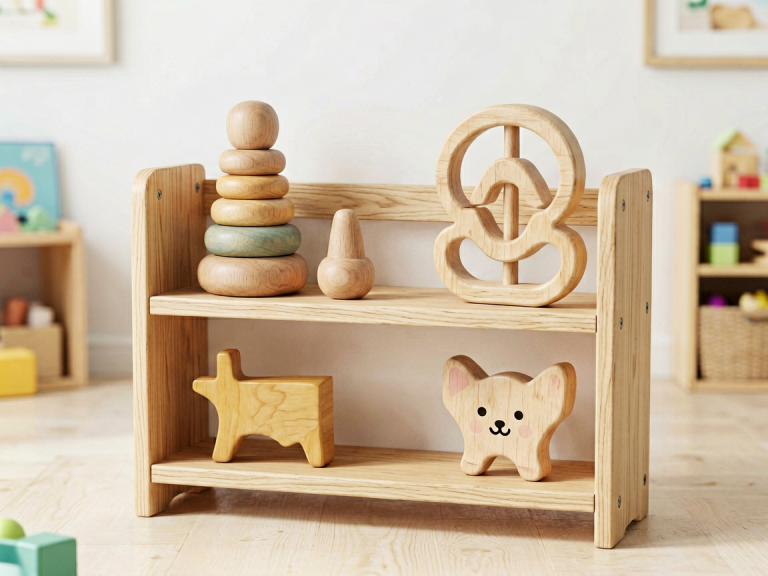
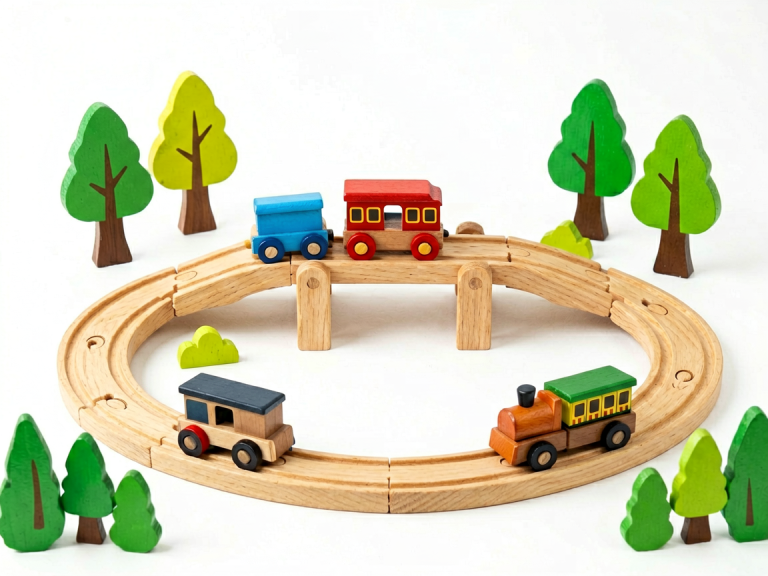
No list of building toys is complete without the classic wooden block set. Simple, tactile, and open-ended, wooden blocks are the original construction toy. Brands like Melissa & Doug, Guidecraft, and Uncle Goose produce high-quality sets in various shapes—cubes, cylinders, arches, triangles, and planks. The beauty of wooden blocks lies in their lack of instructions. Unlike many modern building kits, wooden blocks impose no constraints. A child can build a castle, a bridge, a spaceship, or a city skyline, limited only by imagination and physics. The natural texture and weight of wood provide sensory feedback that plastic cannot replicate. For toddlers, large, chunky blocks develop fine motor skills and hand-eye coordination. For preschoolers, balancing blocks teaches early physics concepts. Older children can use blocks for complex architectural projects, tessellation challenges, or even as props for pretend play. Wooden blocks are also durable, sustainable, and easily passed down through generations, making them an investment in lifelong learning.
Magnetic Tiles: The Architects’ Dream
Magnetic construction sets, such as Magna-Tiles, PicassoTiles, and Connetix, have revolutionized building play in recent years. These sets consist of translucent, plastic squares and triangles embedded with strong magnets along their edges. What makes them exceptional is their intuitive assembly: pieces snap together easily, allowing even very young children to create 3D structures that would be impossible with traditional blocks. The magnets provide just enough resistance to hold shapes together without requiring perfect precision, reducing frustration and encouraging free experimentation. Children can build towers, bridges, geometric solids, and even marble runs if the set includes tubes and ramps. The vibrant colors and translucent quality also invite light exploration—holding a structure up to a window creates beautiful patterns. Magnetic tiles excel at teaching symmetry, geometry, and spatial reasoning. They are also highly collaborative, as multiple children can build simultaneously without pieces falling apart easily. For parents seeking a toy that grows with the child, magnetic tiles offer years of deepening engagement, from simple 2D shapes at age two to complex 3D models at age ten.
LEGO Bricks: The Gold Standard of Modular Construction
LEGO remains the undisputed king of building bricks, and for good reason. The system’s precision, versatility, and endless expandability make it a staple in millions of homes. What sets LEGO apart is its unique clutch power—each brick snaps firmly onto another yet can be disassembled just as easily. This allows for both meticulous, instruction-following builds and wildly creative free-form construction. LEGO offers a vast ecosystem: from large Duplo bricks for toddlers to intricate Technic sets for teens and adults, and classic Creative Bricks boxes that contain only basic blocks. Themed sets, such as LEGO City, Star Wars, or Harry Potter, provide a structured entry point for children who need inspiration, but the true magic of LEGO lies in its open-ended potential. A single collection of bricks can be reassembled into a thousand different creations. Building with LEGO develops fine motor control, patience, and the ability to read and follow complex diagrams. Moreover, LEGO’s compatibility—bricks from sets purchased decades ago still work with new ones—ensures that a child’s collection can grow organically. For building play that seamlessly blends art, engineering, and narrative, LEGO is peerless.
Engineering and Construction Kits: The Next Level of Challenge
For older children who crave more complex, mechanical building experiences, dedicated engineering kits are outstanding choices. Products like K’Nex, Erector Sets, and Thames & Kosmos construction kits introduce gears, motors, pulleys, and structural frameworks. These toys go beyond simple stacking; they require children to design moving machines, architectural models, or functional robots. K’Nex, for instance, uses rod-and-connector systems that build strong, flexible frames for roller coasters, bridges, and vehicles. The challenge of making something that actually moves or works under its own power fosters deeper understanding of mechanical principles. Similarly, Erector Sets (now often sold under brands like Meccano) combine metal strips, screws, nuts, and bolts for a more realistic building experience that mimics actual engineering. These kits often include motors and battery packs, allowing children to create spinning ferris wheels, climbing cranes, or remote-control cars. The inherent complexity of these toys requires sustained focus, problem-solving, and often collaboration. They are ideal for children ages eight and up who have outgrown simpler plastic bricks and are ready for real-world physics challenges.
Creative Alternatives: Loose Parts and Natural Materials
While manufactured toys are wonderful, some of the best building experiences come from everyday objects. The concept of “loose parts” in early childhood education emphasizes open-ended materials that children can move, combine, and redesign. Things like cardboard tubes, wooden spools, fabric scraps, corks, and bottle caps can become building blocks of immense creativity. Natural materials—sticks, stones, pinecones, sand, and mud—offer a different yet equally valuable kind of building play. A child arranging pebbles into patterns, or constructing a fort from fallen branches, is engaging in the same cognitive processes as a child using LEGO. These experiences connect children to their environment and encourage resourcefulness. While not “toys” in the commercial sense, incorporating loose parts into the playroom or backyard can dramatically expand building possibilities. Parents can pair these with simple tools like child-safe hammers, nails, and glue for more permanent constructions. The best approach is to combine high-quality building toys with a rich collection of natural and recycled materials, thereby offering the ultimate flexibility.
How to Choose the Right Building Toys for Your Child
Selecting the best toys for building play involves more than picking the most popular brand. Consider the following factors to make an informed decision:
- Age and Developmental Stage: Toddlers need large, safe pieces that cannot be swallowed and that are easy to grasp (e.g., Duplo, soft building blocks, or chunky magnetic tiles). Preschoolers thrive with sets that encourage simple problem-solving (e.g., wooden blocks, basic magnetic tiles). Elementary-age children can tackle LEGO sets with instructions, K’Nex, or Erector Sets. Tweens and teens may enjoy robotics kits or complex architecture sets.
- Open-Endedness: The best building toys allow for multiple outcomes. Avoid sets that are designed only to build one specific model (e.g., a single-use plastic castle mold). Instead, look for sets that can be reconfigured infinitely. Classic bricks, magnetic tiles, and wooden blocks excel at open-ended play.
- Durability and Safety: Check for non-toxic materials, smooth edges, and robust construction. Well-made toys withstand rough handling and last for years. For wooden toys, look for water-based paints and solid hardwood. For plastic, ensure they are BPA-free and phthalate-free.
- Interest Alignment: A child fascinated by vehicles may engage more with LEGO Technic or K’Nex roller coaster sets. An artistic child might love magnetic tiles for their colorful, translucent properties. Consider your child’s passions and choose building toys that let them explore those themes through construction.
Conclusion: Building More Than Structures
The best toys for building play are those that empower children to become creators, engineers, and storytellers. Whether it is the timeless simplicity of wooden blocks, the satisfying snap of magnetic tiles, the precision of LEGO bricks, or the mechanical complexity of engineering kits, each toy opens a doorway to hands-on discovery. These toys do not merely occupy time; they cultivate a mindset of iteration, creativity, and resilience. As children build towers that tumble, bridges that wobble, and machines that finally whir to life, they are also constructing confidence, curiosity, and a deep understanding of how the world works. Investing in high-quality building toys is an investment in your child’s cognitive, emotional, and social future. So clear the floor, gather the pieces, and watch as a child’s imagination takes tangible form—one block, one brick, one tile at a time.