The Parent’s Blueprint: Building a Play Guide for Healthy Child Development
—
Introduction
Play is often dismissed as a frivolous pastime, yet decades of developmental psychology and neuroscience confirm that it is the primary engine of childhood growth. For parents navigating the modern world—brimming with screens, structured schedules, and academic pressures—the challenge is not merely to allow play but to *purposefully cultivate* it. A thoughtfully designed play guide empowers parents to transform unstructured moments into opportunities for cognitive, emotional, and social enrichment. This article serves as a comprehensive blueprint, helping you understand why play matters, what forms it takes, how to adapt it across ages, and how to become an intentional partner in your child’s play journey.
—
The Science of Play: Why It Matters
Play is not optional; it is biologically essential. During play, children’s brains forge neural connections at a staggering rate. The prefrontal cortex—responsible for self‑regulation, problem‑solving, and empathy—activates and strengthens during pretend play and rule‑based games. Physiologically, active play builds gross and fine motor skills, coordination, and cardiovascular health. Emotionally, it provides a safe laboratory for children to experiment with frustration, negotiation, and joy. When parents understand that a child’s “silly” game of stacking blocks is actually laying the foundation for mathematical reasoning and perseverance, the value of play becomes undeniable. A robust play guide, therefore, starts with this scientific grounding: play is not a break from learning—it *is* learning in its most natural form.
—
Categorizing Play: Types and Their Benefits
Play takes many forms, each offering distinct developmental advantages. By recognizing these categories, parents can intentionally balance them in a weekly play diet.
1. Unstructured Free Play
This is open‑ended, child‑directed activity with no predetermined outcome. Building with LEGO bricks without instructions, drawing whatever comes to mind, or inventing a game in the backyard. Benefits include creativity, executive function, and intrinsic motivation. The parent’s role is simply to provide safe materials and step back.
2. Structured Play
Games with rules—board games, sports, Simon Says—teach turn‑taking, impulse control, and respect for boundaries. Structured play also introduces the concept of fairness and losing gracefully, a critical life skill.
3. Imaginative and Pretend Play
When children become pirates, doctors, or superheroes, they are developing narrative reasoning, emotional empathy, and language complexity. Dress‑up boxes, props, and puppets fuel this category. Parents can join in without directing: “I’m the patient. What medicine should I take?”
4. Outdoor and Physical Play
Running, climbing, digging, and balancing enhance vestibular and proprioceptive systems—foundational for concentration and school readiness. Nature play also reduces stress and encourages risk‑taking within safe limits.
5. Sensory and Messy Play
Sand, water, paint, clay, and mud engage multiple senses simultaneously, building neural pathways that support later academic skills like writing. This type of play is particularly valuable for toddlers and children with sensory processing differences.
—
Age‑Appropriate Play: From Infancy to Adolescence
A one‑size‑fits‑all play guide fails; children’s capacities, interests, and safety needs evolve dramatically.
Infants (0–12 months)
Play at this stage is about sensory exploration and bonding. Provide black‑and‑white contrast cards, soft rattles, and tummy‑time mirrors. The parent is the best “toy”—face‑to‑face interaction, peek‑a‑boo, and gentle tickling support attachment and neural wiring.
Toddlers (1–3 years)
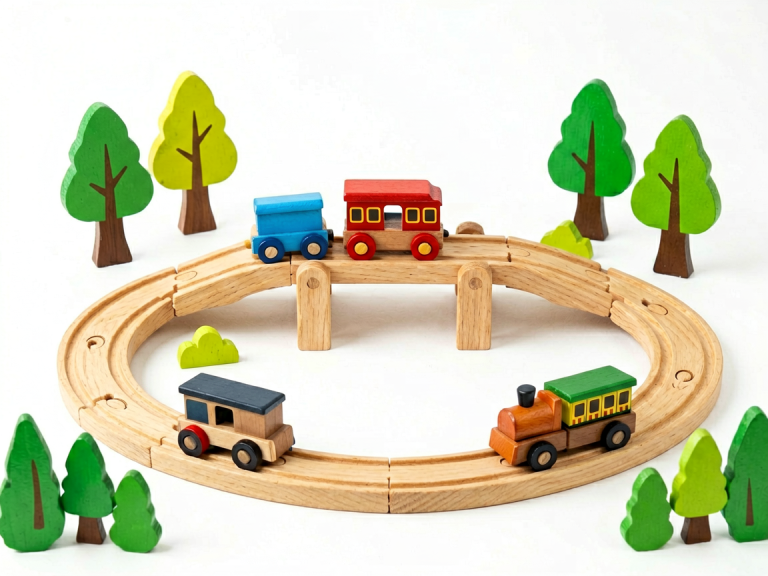
Language explodes during this period, so simple puzzles, stacking cups, push‑pull toys, and crayons are ideal. Toddlers love repetition, which reinforces memory and mastery. Allow messy play with finger paints or playdough (supervised). The guide should emphasize safety—avoid small parts—and freedom to move.
Preschoolers (3–5 years)
Pretend play reaches its peak. Supply costumes, kitchen sets, and blocks. Board games with very simple rules (matching, turn‑taking) begin. Outdoor climbing equipment and tricycles develop physical confidence. Introduce “loose parts”—sticks, pebbles, fabric scraps—which spark endless creativity.
School‑Age Children (6–12 years)
Complex rule‑based games (chess, soccer, tag) and collaborative projects (building a fort, coding a simple game) dominate. Interest‑driven play—science experiments, art projects, music—can be nurtured. The parent’s role shifts from direct play partner to facilitator, offering materials and asking open‑ended questions like “How could you make your tower higher?”
Adolescents (13+ years)
Play evolves into hobbies and social interaction: role‑playing games (Dungeons & Dragons), sports teams, digital game design, or creative writing. Teens need autonomy; the guide should advise parents to respect their choices while encouraging face‑to‑face play over solitary screen time. Co‑play like hiking, cooking together, or strategy games maintains connection.
—
Crafting the Perfect Play Environment
The physical and emotional environment shapes the quality of play.
Physical Space
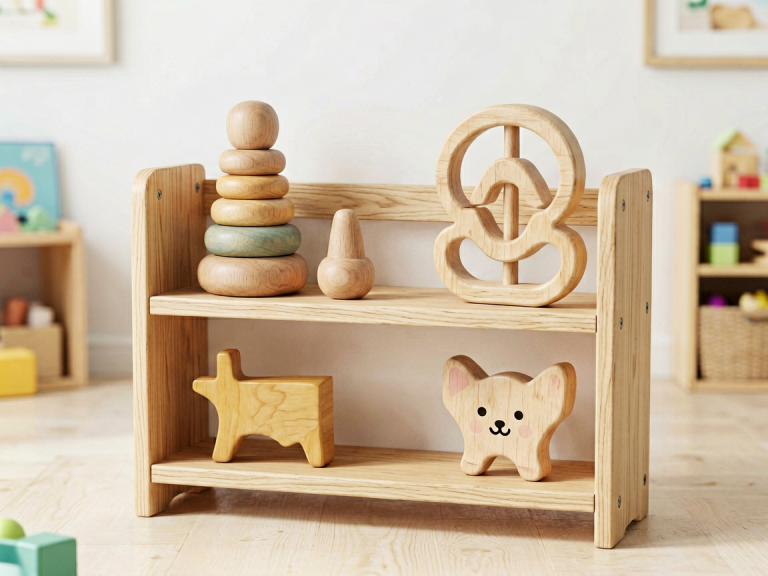
Designate a play area—even a corner of a living room—that is safe, accessible, and minimally cluttered. Use low shelves to display open‑ended toys (blocks, art supplies, costumes) rather than storing them out of sight. Rotate toys every few weeks to reignite interest. Outdoors, provide natural elements: a sandpit, a patch of grass, logs to climb.
Time and Freedom
The modern parent’s tendency to over‑schedule backfires. A play guide must explicitly advocate for *large chunks of unstructured time*. Two to three hours of free play daily, free from screens and adult direction, allow for deep immersion. Resist the urge to direct or correct; let the child lead.
Emotional Safety
Children play best when they feel secure and unjudged. Avoid criticism of “mess” or “silliness.” Instead, praise effort and creativity. If a child builds a wobbly structure that falls, ask “What can you try differently?” rather than fixing it yourself. This builds resilience.
—
The Parent’s Role: Facilitator, Observer, and Co‑Player
Many parents wonder how actively to engage. The answer lies in balance, described by three modes:
- Observer: Step back, watch, and learn. You’ll discover your child’s interests, strengths, and challenges. Observation also prevents over‑intervention.
- Facilitator: Provide materials, set safe boundaries (“We throw balls outside, not inside”), and ask scaffolding questions (“What do you think will happen if you add more water?”).
- Co‑Player: Occasionally join the game, but follow the child’s script. Don’t teach; experience together. “I’ll be the dragon, and you be the knight. What does the dragon do?” This strengthens your bond and models social reciprocity.
A practical habit: during playtime, put your phone away. Your undivided attention is the most potent play aid you can offer.
—
Overcoming Modern Obstacles to Play
Screen Time
Digital play is not inherently bad, but passive consumption (videos) must be limited. Curate interactive, creative apps (e.g., drawing, music composition) and always talk about what was watched. Set clear, consistent boundaries: no screens during meal times or before a play session.
Safety Fears
Many parents restrict outdoor play because of perceived dangers. Balance vigilance with reasonable risk. Teach children to climb a tree safely rather than forbidding climbing. Let them walk to a nearby park with a friend. Scraped knees are part of the learning process—overprotection robs children of essential risk‑assessment skills.
Academic Pressure
Schools and parents sometimes de‑prioritize play for worksheets. Remember: playful learning is more effective than rote drilling. Integrate math into board games (scoring), literacy into storytelling, and science into water play. Advocate with your child’s school for recess and play‑based curricula.
—
Conclusion
Building a play guide for your family is not about buying the perfect toys or designing a Pinterest‑worthy playroom. It is about adopting a mindset: that play is sacred, purposeful, and deeply connected to every aspect of your child’s future success and happiness. By understanding its science, diversifying its types, adapting it to your child’s age, creating a conducive environment, and stepping into the right parental role, you give your child the richest possible childhood. Start today—put down the to‑do list, sit on the floor, and ask your child, “What should we play?” The answer will be the best curriculum they will ever receive.