Quiet Activities for Toddlers: Nurturing Calm and Focus Through Gentle Play
In a world that often glorifies constant stimulation and high-energy play, the art of being quiet can feel like a lost treasure—especially when you have a toddler. Yet, quiet time is not just a break for exhausted parents; it is a vital component of a toddler’s development. Quiet activities help little ones learn to regulate their emotions, build concentration, develop fine motor skills, and explore their own imaginations without the noise of electronic toys or rowdy play. As any parent knows, a toddler who is happily engaged in a quiet activity is a gift that keeps on giving—peace for the caregiver and a precious opportunity for the child to practice self-soothing and focused attention. However, “quiet” does not need to mean boring or still; it can be deeply engaging, sensory-rich, and wonderfully creative. Below, I have curated a comprehensive guide to quiet activities for toddlers, organized by category, that are proven to calm, engage, and delight.
Sensory Bins and Mess-Free Play
Sensory play remains one of the most powerful tools for toddler learning, but it can often be messy. The key to a quiet sensory activity is preparation and containment. A simple shallow plastic bin or a rimmed baking sheet can become a world of calm exploration. For a mess-free alternative, fill a zippered freezer bag with clear hair gel, a few drops of food coloring, and small plastic animals or beads. Seal it tight, tape the edges, and let your toddler squish, push, and discover—no spills, only wonder. Another favorite is a “sensory bottle” made from an empty water bottle filled with water, glitter glue, and small objects like buttons or sequins. As the toddler shakes the bottle, the glitter swirls slowly, creating a mesmerizing effect that encourages deep breathing and focus. You can also create a “dry sensory bin” using uncooked rice, lentils, or oatmeal. Add small scoops, funnels, and a few dinosaur figures or tiny cups. The sounds of rice pouring are surprisingly soothing, and the repetitive scooping action helps toddlers practice fine motor control while staying oddly quiet. For a truly no-mess option, consider “spaghetti play”—cook spaghetti noodles, cool them, and place them in a sealed bag. The toddler can press, squeeze, and feel the cool, slippery noodles through the plastic, engaging their senses without a single strand landing on the floor.
The Magic of Books and Storytelling
Reading is the quintessential quiet activity, but for toddlers, it needs to be interactive to hold their attention. Instead of simply reading a book from cover to cover, try “whisper reading” where you lower your voice to a hushed tone. Toddlers naturally mirror your calmness. Choose books that invite participation—lift-the-flap books, touch-and-feel books, or books with sound buttons that produce gentle noises (like birdsong or ocean waves). You can also create a “book nook” with a soft blanket and a small basket of board books. Let the toddler “read” independently, turning pages and babbling to themselves. Another engaging quiet activity is storytelling with puppets. Simple finger puppets or a hand puppet can act out a short, slow-paced story while you both sit quietly. Even just two puppets having a whispered conversation can mesmerize a toddler for ten or fifteen minutes. For a more structured approach, use “story cards”—small laminated cards with simple images (a bear, a tree, a river). Lay them out in a sequence and tell a story, then let your toddler rearrange the cards and create their own narrative. This activity builds language skills and imaginative thinking while keeping voices low.
Creative Art Projects That Stay Calm
Art does not have to involve paint splatters or glitter explosions. Quiet art for toddlers focuses on materials that require gentle, deliberate movements. One of the best inventions for quiet crafting is the “sticker book.” A set of reusable stickers and a blank paper book (or just a piece of paper) can occupy a toddler for a surprisingly long time. Peeling stickers helps strengthen finger muscles, and the repetitive action is naturally calming. Another favorite is “water painting”—give your toddler a small paintbrush and a cup of water, and let them “paint” on a dark construction paper or on a chalkboard. The water darkens the surface, and as it dries, the picture disappears. This activity is not only mess-free but also teaches cause and effect in a serene way. For slightly older toddlers, “dot painting” with a sponge dabber and washable ink pads (or even just a cotton swab and a small amount of paint) allows them to create patterns without the chaos of dripping brushes. You can also try “playdough exploration” but in a quiet version: provide a small lump of playdough and a few toothpicks (supervised), a plastic knife, or cookie cutters. The squeezing, rolling, and pressing motions are inherently grounding. Add some dried lavender buds to the dough for a calming aroma that further encourages relaxation.
Puzzles, Building Blocks, and Quiet Manipulatives
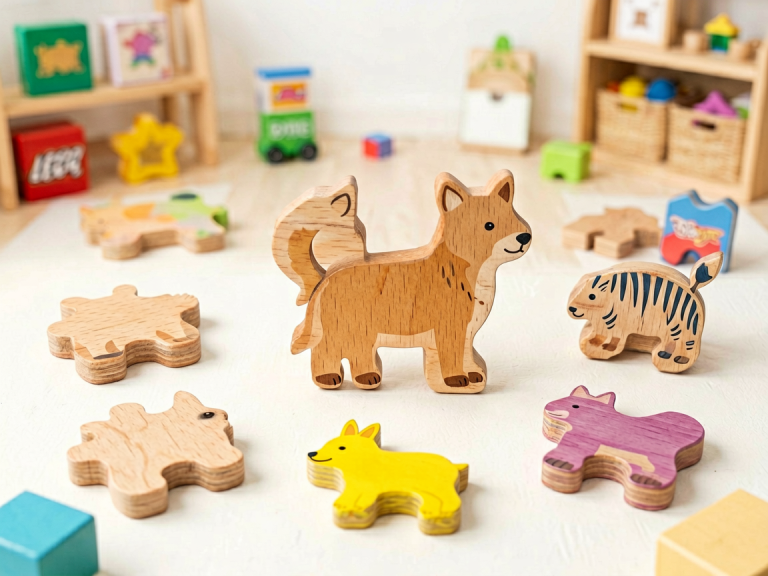
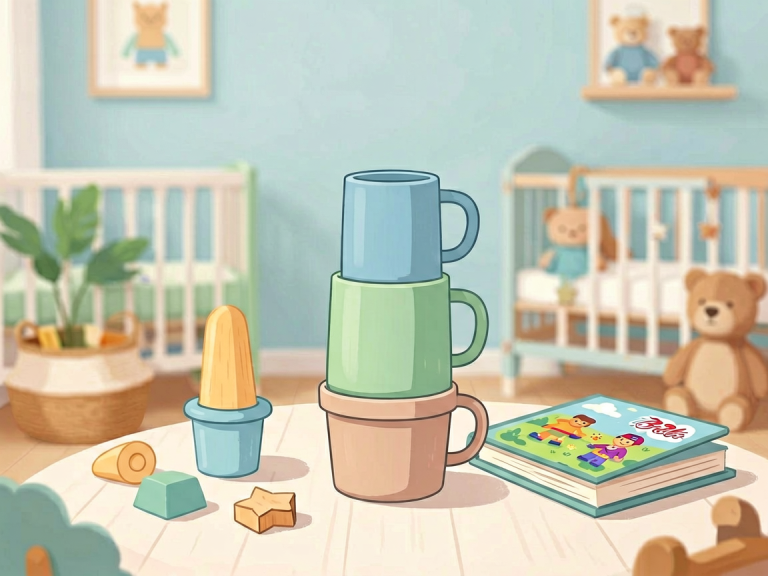
Puzzles are a classic quiet-time hero. For toddlers, start with large, chunky wooden puzzles with knobs. The satisfaction of fitting a piece into its slot provides a sense of accomplishment and demands focused silence. Puzzles that feature animals, vehicles, or shapes are particularly engaging. You can also create your own “puzzles” by cutting a simple picture into two or three pieces and letting your toddler reassemble it. As they grow, increase the number of pieces. Another wonderful quiet manipulative is the “stacking set”—wooden rings, nesting cups, or stacking blocks with different textures. The gentle clink of wood on wood, if it happens, is far less jarring than plastic toys. Magnetic toys, such as magnetic fishing rods with fish or magnetic building tiles, are also excellent because the magnetic pull is quiet, and the pieces stay together without loud crashes. For a truly soothing activity, introduce “sorting jars.” Fill a small jar with a mix of large pom-poms or buttons (ensure they are large enough not to be a choking hazard) and provide a pair of tongs or tweezers. Have your toddler sort the items by color into a muffin tin. The concentration required makes this a very quiet and satisfying task.
Calming Music, Movement, and Mindfulness
Quiet does not necessarily mean still. Toddlers can move slowly and deliberately. Introduce a “slow dance” with classical music or nature sounds—whisper to your toddler to move like a feather floating down, or like a sleeping cat. You can also use a “rain stick” or a simple shaker made from a sealed water bottle with a few grains of rice. Let your toddler shake it gently in rhythm with soft music. Another body-centered quiet activity is the “freeze dance” at a low volume—but instead of freezing, you freeze in a quiet shape, like a statue. A more sophisticated approach for older toddlers is guided “breathing practice.” Make it playful: place a small cotton ball on a table and have your toddler blow it across the surface with a soft, steady breath. This teaches deep breathing and is surprisingly calming. You can also provide a “calm-down jar” filled with glitter and water; when shaken, the glitter swirls and slowly settles. While watching the glitter fall, encourage your toddler to take slow, deep breaths. A brief “yoga” session using picture cards with simple poses—like “tree” or “cat”—can also become a quiet ritual.
Nature-Inspired Quiet Time
Bringing the outdoors inside can be a beautiful way to foster quiet focus. Fill a small tray with leaves, pinecones, smooth stones, and a few artificial flowers. Let your toddler sort, stack, and arrange them. The natural textures and earthy colors have a grounding effect. You can also create a “nature treasure box” where your toddler collects small objects from a walk (with supervision) and then arranges them in a shallow box later. Another idea is to place a bird feeder outside a window and give your toddler a pair of binoculars (or just a cardboard tube). They can sit quietly and watch the birds come and go, learning patience and observation. For a hands-on activity, provide a small pot of soil, a few seeds, and a tiny watering can—let your toddler plant a seed and then “whisper” to it while patting the soil. This simple ritual teaches care and calm.
Creating a Routine for Quiet Success
Finally, the structure of quiet time matters as much as the activities themselves. Designate a specific corner of your home as a “quiet zone” with soft pillows, a small bookshelf, and a basket of calming toys. Make sure that area is free from loud distractions like TVs or tablets. Establish a consistent time each day for quiet play—perhaps after lunch or before bed. Use a timer or a gentle chime to signal the start and end. When you introduce a new quiet activity, model the calmness yourself: sit nearby, speak in a low voice, and engage alongside your toddler. Over time, these quiet moments will become treasured habits that not only give you a breather but also gift your child the essential skill of finding peace within themselves.
By weaving these quiet activities into your toddler’s daily life, you are not just managing behavior; you are laying the foundation for a lifelong ability to concentrate, self-regulate, and appreciate stillness. In a noisy world, the lesson of quiet is one of the greatest gifts you can offer.