Building Play Activities at Home: A Blueprint for Creativity, Connection, and Child Development
Introduction
In an age dominated by screens, structured extracurriculars, and academic pressure, the humble act of “play” at home is often undervalued. Yet research in developmental psychology and neuroscience consistently underscores that play is not a luxury—it is a necessity. Building intentional play activities at home allows children to explore, experiment, and express themselves in a safe, familiar environment. More importantly, it strengthens the parent-child bond and cultivates skills that no worksheet can teach: problem-solving, emotional regulation, negotiation, and imagination.
This article provides a comprehensive guide to designing and implementing play activities at home. Whether you have a toddler, a school-aged child, or a teenager, the principles remain the same: leverage everyday materials, respect the child’s autonomy, and create a space where failure is just another step in discovery. We will explore the benefits, age-appropriate strategies, and practical ways to overcome common obstacles—all while keeping the activities engaging, low-cost, and deeply meaningful.
—
The Benefits of Home-Based Play
Play at home is fundamentally different from play at school or in a commercial play center. At home, children enjoy uninterrupted time, familiar surroundings, and the undivided attention of caregivers. This combination yields unique developmental advantages.
Cognitive Growth and Academic Readiness
When children engage in open-ended play—building forts, designing obstacle courses, or making up stories—they are exercising executive functions such as planning, working memory, and cognitive flexibility. For example, a child constructing a cardboard castle must estimate dimensions, test structural stability, and adjust designs when the walls collapse. These micro-experiences build the same neural pathways used in mathematics and engineering.
Social and Emotional Intelligence
Play at home often involves siblings, friends, or parents. Through pretend play, children practice empathy (e.g., “You be the patient, and I’ll be the doctor”) and learn to negotiate roles and rules. A simple game of “house” or “store” becomes a laboratory for understanding social norms, handling disappointment, and celebrating collaboration.
Physical Development
From crawling through tunnels to balancing on couch-cushion bridges, home play naturally incorporates gross and fine motor skills. Unlike structured sports, it allows children to move at their own pace, reducing the risk of burnout or injury. Sensory play—with rice, sand, water, or playdough—refines dexterity and hand-eye coordination.
Stress Reduction and Emotional Regulation
Home is a sanctuary. Unstructured play provides an outlet for anxiety, frustration, or boredom. A child who builds a “calm-down corner” with pillows and fairy lights is learning to self-soothe. A teenager who designs a board game about their favorite book is processing complex emotions through creativity.
—
Principles for Designing Engaging Play Activities
Before diving into specific activities, it is crucial to understand the design principles that make play work. These guidelines apply regardless of the child’s age or the materials available.
1. Embrace Open-Ended Materials
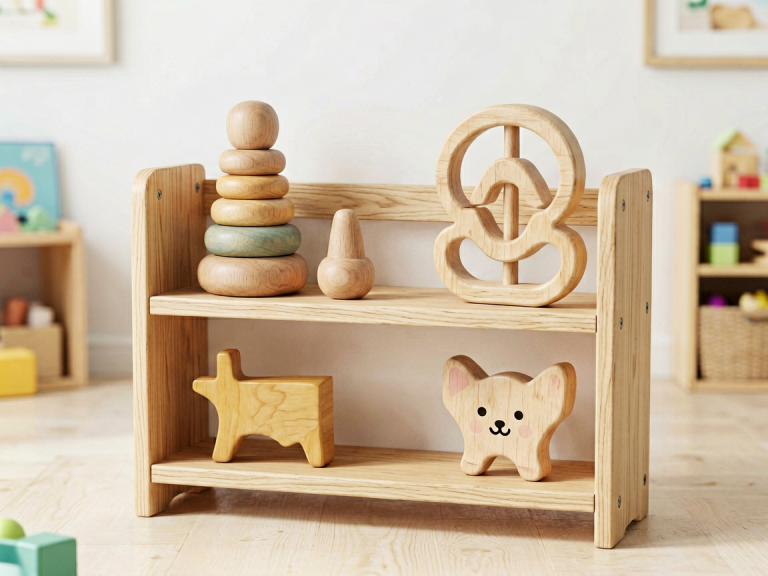
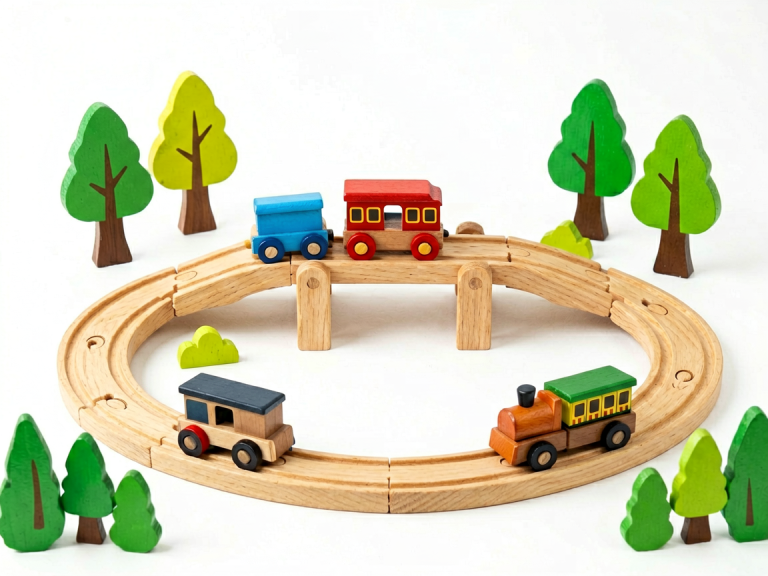
Open-ended materials—blocks, fabric scraps, cardboard boxes, string, clay, water, sand—can be transformed in countless ways. A cardboard box is a car one day, a castle the next, and a time machine after that. These materials invite creativity and prevent boredom because there is no “right” way to use them.
2. Prioritize Process Over Product
When you build play activities at home, focus on the *experience* rather than the final outcome. A child who paints with their hands will likely create a mess, but they will also learn about color mixing, texture, and cause-and-effect. Resist the urge to correct or “improve” their creation. The goal is engagement, not a Pinterest-perfect result.
3. Adapt to the Child’s Developmental Stage
A two-year-old thrives on simple sensory exploration; a ten-year-old craves complex rules and challenges. Observe your child’s current interests and abilities. If they are obsessed with dinosaurs, design a dig site in the backyard. If they love counting, create a grocery store with price tags.
4. Incorporate Real-World Contexts
Children are naturally curious about adult life. Cooking, gardening, cleaning, and fixing can become play activities when framed correctly. Let your child measure ingredients, sort laundry, or “fix” a broken appliance with toy tools. This builds confidence and practical life skills.
5. Allow for Risk (Within Reason)
Risky play—climbing, balancing, using tools—is essential for physical and emotional resilience. At home, you can supervise and set safe boundaries while still giving your child the thrill of challenge. A balance beam made of a fallen tree branch, a rope swing, or a simple woodworking project with sandpaper all offer managed risk.
—
Age-Specific Play Ideas
The following sections offer concrete examples of play activities you can build at home, categorized by age. Remember to adjust based on your child’s unique temperament and interests.
Infants and Toddlers (0–2 Years)
At this stage, play is all about sensory stimulation and cause-and-effect. The best activities are those that engage multiple senses and encourage movement.
- Texture Treasure Basket: Fill a shallow basket with safe, varied-texture objects: a soft brush, a wooden spoon, a silk scarf, a crinkly paper, a cold metal key. Let the baby explore under supervision.
- Mirror Play: Place a large, unbreakable mirror on the floor. Babies love watching their own movements and facial expressions. Add a beanbag or a soft ball for them to reach toward their reflection.
- Cardboard Box Roll: Cut a large cardboard box into a simple ramp or tunnel. Show your toddler how to roll a ball through it, or let them crawl through the tunnel themselves.
Preschoolers (3–5 Years)
Preschoolers are in the golden age of imagination. They love pretend play, simple rules, and physical activity.
- Indoor Obstacle Course: Use chairs, pillows, broomsticks, and hula hoops to create a simple course. Include crawling, jumping, balancing, and throwing tasks. Let the child design the course with you.
- Dress-Up Costume Challenge: Gather old clothes, hats, scarves, and costume pieces. Give your child a prompt: “Dress up as a robot who loves flowers,” or “Become a chef from outer space.” Act out a short story together.
- Sensory Bin Stations: Fill plastic containers with rice, dried beans, sand, or water beads. Add scoops, small toys, and spoons. Let your child pour, sift, and discover. (For clean-up, use a large sheet or place the bin on a tiled floor.)
School-Age Children (6–12 Years)
Older children enjoy more complexity, collaboration, and a sense of mastery. They can handle longer attention spans and more sophisticated materials.
- Build a Cardboard Arcade: Inspired by Caine’s Arcade, help your child construct games using cardboard, tape, and recycled items. Examples: a ball toss into a box with holes, a marble run made of paper towel tubes, a ring toss with plastic lids.
- Science Experiment Playdates: Design simple experiments that double as play. For instance, make a baking soda and vinegar volcano, create a homemade lava lamp with oil and water, or grow crystal geodes using borax. Have your child record “findings” in a journal.
- Board Game Creation: Encourage your child to invent their own board game. They will need to design the board, write rules, decide on luck vs. strategy, and create pieces from clay or paper. This activity integrates art, math, and critical thinking.
Teenagers (13–18 Years)
Teens may resist “playing” in the traditional sense, but they still need creative outlets and connection. Frame activities as projects, challenges, or quality time.
- Escape Room at Home: Design a mystery using puzzles, riddles, and clues hidden around the house. Use a simple plot (e.g., “Find the lost key to the treasure chest”). Involve your teen in the planning—they may enjoy creating challenges for younger siblings or friends.
- Cooking or Baking Challenge: Turn meal preparation into a playful competition. Give your teen a “mystery basket” of three ingredients and challenge them to create a dish. Or host a cookie-decorating contest with themed categories.
- Storytelling Game (RPG-Lite) : Adapt a simple role-playing game like “The Quiet Year” or create your own. Use dice and a map drawn on paper. Your teen can invent a character and make decisions that shape the narrative. This builds creative writing and negotiation skills.
—
Incorporating Learning into Play
Home play does not need to be explicitly educational to be beneficial, but you can naturally weave learning into activities without making them feel like school.
- Math: When building a fort, ask “How many more blocks do we need to make the wall higher?” or “If we have three blankets and two pillows, how many ways can we arrange them?”
- Literacy: Create a “post office” where kids write short letters or draw pictures for family members. Or make a restaurant menu and have your child take orders and write receipts.
- Science: During water play, provide different containers and ask which holds more. Freeze toys in ice cubes and let your child experiment with salt and warm water to free them.
- Art: Encourage open-ended art with unconventional tools—sponges, toothbrushes, leaves, or toy cars dipped in paint. Frame the process as “making patterns” or “creating stories with color.”
The key is to ask open-ended questions: “What do you think will happen if…?” “How could we make this taller?” “What other materials could we use instead?” This scaffolds learning without giving answers.
—
Overcoming Common Challenges
Building play activities at home is not always easy. Here are solutions to frequent obstacles.
Limited Space
Play does not require a dedicated playroom. Use vertical space: hang a whiteboard on a wall, install a collapsible climbing net, or store a picnic blanket under the couch for quick setup. Rotate toys weekly to keep interest fresh.
Lack of Time
Even 15 minutes of focused play can be powerful. Set a timer and fully engage—put away your phone, get on the floor, and follow your child’s lead. Alternatively, create a “play box” with pre-prepared materials (e.g., a box of LEGOs, a puzzle, a craft kit) that your child can access independently.
Mess and Clean-Up
Set clear boundaries before play begins. Use a “play mat” that defines the messy area. Involve children in clean-up as part of the play (e.g., “Let’s see who can put all the blocks in the basket before the song ends”). Accept that mess is temporary; learning is permanent.
Screen Competition
Rather than banning screens entirely, integrate them into play. Watch a short nature documentary, then build a matching habitat with toys. Use a tablet to look up “how to build a catapult” and then construct one from popsicle sticks. Offer a “tech-free hour” during which everyone in the family participates in a playful activity.
—
Conclusion
Building play activities at home is not about buying expensive toys or creating elaborate setups. It is about intentionally carving out time and space for exploration, connection, and joy. Whether it is a toddler stacking plastic cups, a preschooler launching a cardboard rocket, a preteen engineering a marble run, or a teenager collaborating on a homemade escape room, each moment of play is a building block for a resilient, creative, and empathetic human being.
As parents, we often feel pressure to “teach” our children. But in the realm of play, the best teaching is stepping back and letting them lead. Provide the raw materials, the emotional safety, and the occasional silly idea. The rest—the laughter, the frustration, the sudden breakthroughs—will take care of itself. Start small. Build a pillow fort today. See where it takes you.
*Word count: 1,654* (Title and headings included)