Toys That Build Focus: Unlocking the Power of Playful Concentration
In an age of constant digital distractions, where notifications buzz, screens flicker, and attention spans shrink, the ability to focus has become a rare and precious skill. Parents, educators, and even adults themselves are searching for effective ways to cultivate sustained attention. Surprisingly, the answer may lie not in rigid drills or digital detoxes, but in something far more enjoyable: toys. The right toys are not merely sources of entertainment; they are powerful tools that train the brain to concentrate, persist, and engage deeply. This article explores the fascinating world of toys that build focus, revealing how play can become a pathway to profound mental discipline.
The Science Behind Focus-Building Play
Focus is not an innate trait that you either have or lack; it is a cognitive muscle that can be strengthened through deliberate practice. Neuroscientific research shows that when we engage in activities requiring sustained attention, our prefrontal cortex—the brain’s executive control center—becomes more active and develops stronger neural connections. Toys that require repetition, problem-solving, and fine motor control provide the ideal environment for this kind of neural training. Unlike passive entertainment, which encourages a wandering mind, active toys demand our full presence. They offer immediate feedback, clear goals, and a sense of progression—all elements that trigger the brain’s reward system and reinforce the habit of staying focused.
Classic Building Sets: The Foundation of Concentration
LEGO and Magnetic Tiles
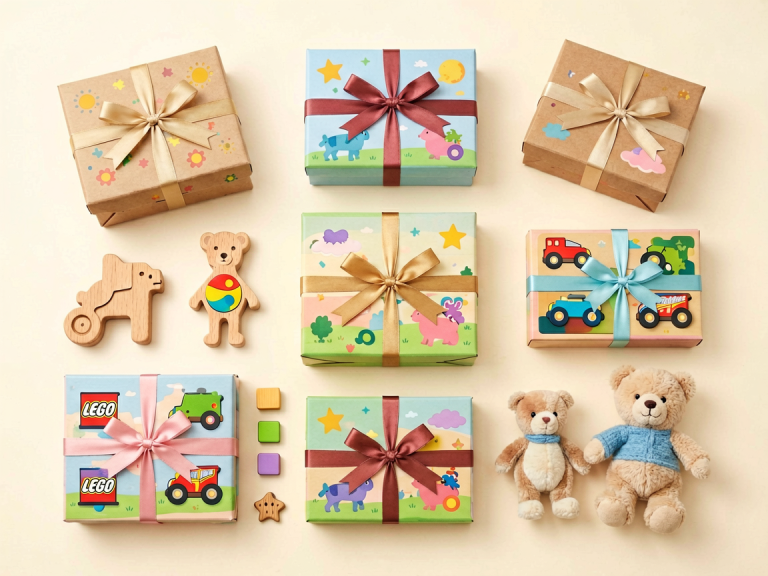
Few toys are as universally recognized for building focus as LEGO bricks. The simple act of snapping two blocks together might seem trivial, but constructing a complex model requires hours of meticulous attention. A child or adult following a set of instructions must focus on each step, count pieces, align edges, and resist the urge to rush. The repetitive, hands-on nature of building creates a state of flow—a psychological condition where time seems to disappear and concentration becomes effortless. Similarly, magnetic tiles like Magna-Tiles encourage spatial reasoning and patience. When a tower wobbles or a structure collapses, the builder must analyze what went wrong and try again. This process of trial and error teaches resilience and deepens focus, as success depends on careful observation and adjustment.
Wooden Blocks and Architecture Kits
Even simpler than LEGO are classic wooden blocks. A child stacking blocks learns to balance weight, estimate distance, and control hand movements with precision. Each new layer requires concentration, because one misplaced block can send the entire tower tumbling. Architecture kits, such as those that allow you to build bridges or geometric domes, take this concept further. They introduce principles of engineering and physics, demanding sustained attention to measure, fit, and reinforce. The satisfaction of seeing a stable structure emerge from a pile of sticks and connectors is a powerful reward that reinforces focused effort.
Puzzles: The Ultimate Mental Workout
Jigsaw Puzzles
Jigsaw puzzles are perhaps the quintessential focus-building toys. To complete a 1,000-piece puzzle, you must examine each piece’s shape, color, and pattern, then search for its precise match among hundreds of others. This activity trains visual discrimination, memory, and patience. Studies have shown that regular jigsaw puzzle solving can improve short-term memory and slow cognitive decline in older adults. But more importantly, the process forces you to sustain attention for extended periods. You cannot complete a puzzle in five minutes; it requires hours of continuous effort. The brain learns to filter out distractions—the television in the background, thoughts about work—and remain absorbed in the task at hand.
Logic Puzzles and Brain Teasers
Beyond jigsaw puzzles, logic puzzles such as Sudoku, crosswords, and brain teaser sets require pure cognitive focus. Unlike physical puzzles, these engage the mind without involving the hands. A person solving a Sudoku puzzle must hold numbers in working memory, apply logical rules, and systematically eliminate possibilities. If the mind wanders, the solution becomes impossible. These toys are particularly effective for adults looking to sharpen focus without the visual clutter of screens. They can be carried anywhere and used in short bursts, making them excellent tools for developing concentration habits.
Strategic Games: Patience and Planning
Chess and Checkers
Board games, especially strategy-based ones like chess, are timeless focus builders. In chess, every move has consequences. A player must anticipate their opponent’s responses, consider multiple future scenarios, and maintain concentration for the entire duration of the game—which can last from minutes to hours. Chess demands not only focus but also self-control; an impulsive move can lead to defeat. Research has demonstrated that children who learn chess often show improvements in concentration, problem-solving, and even reading comprehension. The game’s structure—taking turns, thinking ahead, and adapting to changing circumstances—mirrors real-life challenges that require sustained mental effort.
Strategy Card Games and Cooperative Games
Modern strategy card games like “Settlers of Catan” or “Ticket to Ride” also build focus, as players must track resources, plan long-term strategies, and monitor opponents’ actions. Cooperative games, where all players work together against a common challenge, add an extra layer: they require focused communication and joint problem-solving. These games teach that distraction leads to failure, while collective concentration leads to success. They are especially valuable for families, as they turn focus training into a shared, enjoyable experience.
Sensory and Mindfulness Toys
Fidget Tools and Spinners
While often dismissed as mere distractions, the right sensory toys can actually enhance focus for many people, especially those with attention difficulties such as ADHD. Fidget cubes, stress balls, and textured rings provide subtle tactile stimulation that helps some individuals channel excess energy and maintain focus on a primary task. The key is to use them as a secondary activity—quietly manipulating a small object while listening to a lecture or reading. When chosen intentionally, these toys prevent the mind from wandering to more disruptive behaviors like checking a phone. They serve as an anchor, keeping the brain lightly engaged so that deeper focus can be sustained.
Zen Gardens and Kinetic Sand
Toys that encourage calming, repetitive motions are also powerful focus tools. A desktop zen garden, with its miniature rake and sand, invites you to create patterns slowly and deliberately. The act of raking sand in smooth lines is meditative; it slows down your breathing and centers your attention on the present moment. Similarly, kinetic sand—a moldable, squishy substance that never dries out—requires gentle, focused manipulation. Children and adults alike can spend long periods shaping and reshaping it, experiencing a state of calm concentration that resembles mindfulness meditation. These toys teach that focus need not be tense or stressful; it can be a peaceful, absorbed state.
The Role of Technology: Screen-Based Focus Toys
Not all digital toys are distractions. Well-designed educational apps and video games can also build focus, provided they require active engagement rather than passive consumption. Puzzle games like “Monument Valley” or “The Witness” demand that players observe their surroundings carefully, remember patterns, and think creatively. Music rhythm games like “Guitar Hero” or “Beat Saber” train split-second timing and hand-eye coordination, forcing the player’s full attention on the moment. However, it is essential to choose digital toys that limit external interruptions—no ads, no notifications—and that have a clear endpoint or progression. Used mindfully, screen-based toys can complement physical ones, especially for older children and adults who are already accustomed to digital interfaces.
Practical Tips for Using Focus-Building Toys
To maximize the benefits of focus-building toys, it is important to create the right environment. Set aside dedicated time without interruptions—no phones, no television, no background noise. Start with short sessions, perhaps fifteen to twenty minutes, and gradually increase duration as your concentration stamina improves. Choose toys that match your skill level: too easy, and you will become bored; too hard, and you will become frustrated and give up. The sweet spot is where the challenge is just slightly above your current ability, inviting you to stretch your focus. Finally, view the activity as a practice, not a chore. Approach each session with curiosity and a willingness to fail. The collapsed tower, the unsolved puzzle, the lost game—these are not failures; they are lessons that teach your brain to try again with renewed concentration.
Conclusion: The Lifelong Gift of Focus
Toys that build focus are far more than childhood pastimes. They are tools for transforming the modern mind—scattered, overwhelmed, and hungry for depth—into one that can linger, explore, and create. Whether it is the humble wooden block, the intricate jigsaw puzzle, or the strategic chessboard, each toy offers a small training ground for the art of attention. In a world that constantly pulls us in a thousand directions, the ability to focus on one thing at a time is an act of resistance and self-care. By choosing to play with intention, we reclaim our minds. So pick up a puzzle, build a tower, or challenge a friend to a game. Your focus will thank you, one small, playful moment at a time.