Mastering the Art of Birthday Gift Planning: A Strategic Guide to Thoughtful, Stress-Free Giving
—
Introduction: Why Birthday Gift Planning Matters
Birthday gifts are more than mere objects wrapped in colorful paper; they are expressions of love, appreciation, and the unique bond between giver and receiver. Yet, for many people, the process of selecting and delivering a meaningful gift is fraught with anxiety, last-minute panic, and—too often—a disappointing result. The key to transforming this experience lies not in spending more money or time, but in developing a systematic approach to birthday gift planning. Effective planning ensures that your gift resonates emotionally, fits within your budget, and arrives without chaos. This article will guide you through a comprehensive framework—from initial brainstorming to final presentation—so that every birthday you celebrate becomes a moment of genuine connection rather than stress.
—
1. Understanding the Recipient: The Foundation of All Gift Planning
Before you even think about shopping, you must invest time in understanding the person you are gifting. A generic gift, no matter how expensive, often fails to create lasting happiness. Start by asking yourself:
- What are their passions and hobbies? Do they love cooking, reading, gardening, gaming, or hiking? A gift aligned with their interests shows that you pay attention.
- What lifestyle constraints do they have? A busy parent might appreciate a time-saving gadget; a minimalist friend may prefer an experience over a physical object.
- What recent changes have occurred? A promotion, a new home, a recent loss, or a new relationship all shift what might be meaningful.
Create a “gift profile” for each important person in your life. Jot down notes throughout the year—a comment they made about wanting a particular book, a restaurant they mentioned, or a hobby they recently picked up. This ongoing journal eliminates the frantic scramble when their birthday approaches.
Furthermore, consider the love language of the recipient. Gary Chapman’s five love languages—words of affirmation, acts of service, receiving gifts, quality time, and physical touch—provide a useful lens. For someone whose primary love language is “quality time,” an elaborate gift might be less meaningful than an afternoon spent together. For someone who values “acts of service,” offering to help with a home project or cooking a special meal could be the perfect present.
—
2. Setting a Realistic Budget and Managing Expectations
One of the biggest pitfalls in gift giving is financial overextension. Social pressure, marketing, and the desire to impress can easily lead to spending beyond your means. A well-planned gift does not require a high price tag; it requires thoughtfulness. Follow these steps to keep your finances in check:
- Establish a gift budget per person each year. Treat it like any other expense category in your personal finance plan. Allocate a total annual amount for gifts and divide it among birthdays, holidays, and special occasions.
- Research price ranges early. Once you have an idea, check online stores or local shops to understand realistic costs. This prevents you from falling in love with an item you cannot afford.
- Consider DIY or handmade options. A hand-knitted scarf, a personalized photo album, or homemade baked goods can be deeply meaningful and cost-effective. The time and effort invested often outweigh the monetary value.
- Communicate with family or friend groups. If you are part of a circle that exchanges gifts (e.g., office colleagues, extended family), suggest a spending cap. Many people appreciate the relief of a fixed limit.
- Avoid impulse buying. Stick to your plan. If you see something “perfect” but over budget, take a photo and revisit it after checking your financial calendar. Often, the urge fades.
Remember: a gift that creates financial stress for you will ultimately diminish the joy of giving. Your peace of mind is part of the present.
—
3. The Planning Timeline: A Step-by-Step Schedule
Procrastination is the enemy of thoughtful gifting. A structured timeline ensures you have enough time to find the perfect item, handle customization, and wrap it beautifully. Here is a recommended schedule, adjustable based on the complexity of the gift:
4–6 Weeks Before the Birthday
- Brainstorm and research. Based on the recipient’s profile, list 3–5 potential gift ideas. Use online resources like Etsy, Amazon, or specialty stores to explore options. Read reviews and check for availability.
- Decide on the type of gift. Will it be a physical item, an experience (concert tickets, spa day), a subscription, or a charitable donation in their name?
- Check for customization lead times. If you need engraving, monogramming, or custom artwork, order well in advance. Many artisans require 2–3 weeks.
2–3 Weeks Before the Birthday
- Make the purchase. If ordering online, account for shipping delays. Choose expedited shipping if necessary, but avoid paying extra by ordering early.
- Arrange for delivery. If the gift will be shipped directly to the recipient, ensure the address is correct and the delivery date is before the birthday. Consider adding a note asking for a “gift receipt” in case of exchange.
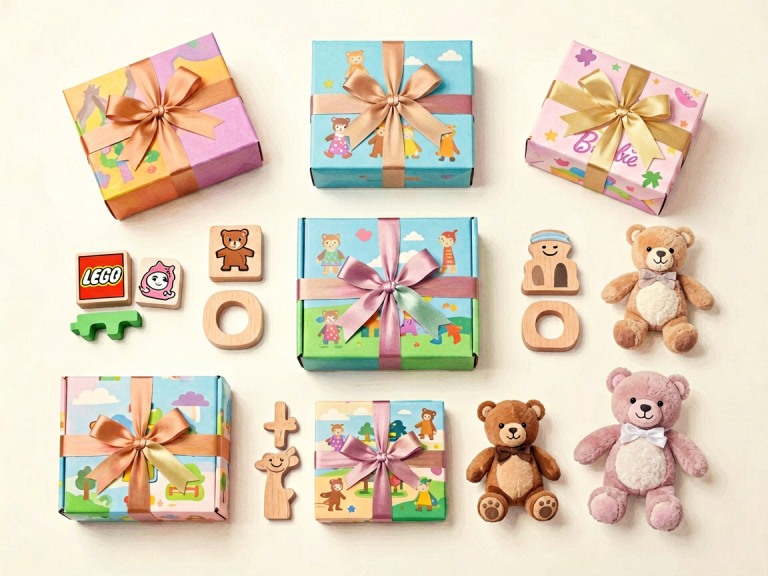
- Plan the presentation. Decide on wrapping paper, gift bag, or creative packaging. Gather materials like ribbons, cards, and tape.
1 Week Before the Birthday
- Wrap the gift. Do not leave wrapping until the night before. This gives you time to redo if something goes wrong.
- Write the card. A handwritten message adds immense personal value. Reflect on a shared memory or express your appreciation in a few sincere sentences.
- Confirm logistics. If you are planning a surprise, check with other people involved (e.g., family members hosting a party). Make sure no one spoils the surprise.
The Day of the Birthday
- Deliver your gift. Whether in person, via mail, or through a friend, ensure it arrives at the right time. If you cannot be there, a video call can complement the physical gift.
- Follow up. A simple “Happy Birthday! Hope you liked the present” shows you care beyond the transaction.
—
4. Creative Gift Ideas That Require Planning
Sometimes the most memorable gifts are not store-bought but carefully orchestrated. Here are three categories that demand extra planning but yield extraordinary results:
The Experience Box
Instead of a single object, assemble a collection of small gifts that build toward one experience. For example, for a friend who loves travel: a travel journal, a scratch-off world map, a set of luggage tags, and a voucher for a future weekend trip. Each item is a clue, and the reveal of the main experience becomes a treasure hunt. Planning requires coordinating the purchase of multiple items and possibly booking the experience ahead.
The “Memory Jar” Gift
This is ideal for sentimental recipients. Collect 52 small notes—one for each week of the upcoming year—each containing a memory, a compliment, or a reason you appreciate them. Place them in a decorative jar. Planning this means dedicating time to write each note thoughtfully. It costs almost nothing but requires weeks of preparation.
Phased Gifts
For milestone birthdays (e.g., 30th, 50th), you might plan a series of gifts over several days or weeks. For instance, send a small item on Day One (a favorite candy), a book on Day Two, and the main gift on the actual birthday. This builds anticipation and makes the celebration last longer. Coordination with delivery services or friends is essential.
—
5. Managing Group Gifts and Shared Responsibilities
Group gifting—common among work colleagues, friend circles, or family—introduces its own set of challenges: coordinating contributions, deciding on a gift, and ensuring everyone feels included. A smooth group gift process requires a designated leader (or a volunteer) who:
- Opens a shared document or chat. Use Google Sheets or a group messaging app to list ideas and track contributions.
- Sets a deadline for money collection. Offer multiple payment methods (Venmo, PayPal, cash) to accommodate everyone.
- Selects a gift that is meaningful to the recipient but feasible for the group. Avoid items that require unanimous approval; the leader can propose two or three options and let the group vote.
- Assigns tasks. One person buys the gift, another wraps it, another writes a card from everyone, and yet another ensures the gift is presented at the right moment.
- Communicates transparently about the budget and timeline. If someone falls short, the leader can discreetly adjust without causing embarrassment.
Group gifts can be incredibly powerful when done right—they show collective love and often allow for a more significant present than any individual could afford.
—
6. Handling Last-Minute Emergencies and Backup Plans
Even the most meticulous planner can face unexpected hurdles: an item is out of stock, shipping is delayed, or a change of plans forces you to improvise. Build flexibility into your system:
- Always have a backup idea. If your primary gift fails, a digital gift card (e.g., Amazon, a favorite streaming service, or a local restaurant) can be emailed instantly. Pair it with a sincere handwritten card delivered in person.
- Keep a “gift drawer” at home. Stock a few generic but high-quality items: a nice candle, a box of gourmet chocolates, a beautiful notebook. These can be personalized with a note and serve as a temporary placeholder while you arrange the actual gift later.
- Leverage local same-day delivery services. Many cities now have courier apps that deliver from local shops within hours. Use them as a safety net.
- Be honest if you are late. If your gift will arrive after the birthday, let the recipient know ahead of time. Most people appreciate the transparency and the fact that you cared enough to plan—even if the timing slipped.
—
7. Post-Gift Reflection: Learning for Next Time
The final step in mastering birthday gift planning is reflection. After the birthday, take a few minutes to evaluate:
- How did the recipient react? Did they use the gift? Mention it later? A genuine smile or a follow-up thank-you note are good indicators.
- What did you enjoy about the process? If you loved researching and personalizing, consider doing that more. If you disliked wrapping, delegate that task.
- What could you improve? Did you overspend? Forget a crucial detail? Note it down so that next year’s planning is even smoother.
Keep a simple digital or physical “gift journal” for each person. Update it with what you gave, what they liked or didn’t, and any ideas for future occasions. Over time, this journal becomes a treasure trove of insights, making each birthday gift more thoughtful than the last.
—
Conclusion: Turning Planning into a Meaningful Tradition
Managing birthday gift planning is not about creating a bureaucratic checklist; it is about channeling your care and attention into a process that honors the person you are celebrating. By understanding the recipient, setting a sensible budget, adhering to a timeline, preparing for contingencies, and learning from each experience, you transform gift giving from a source of stress into a joyful tradition. The most successful gifts are rarely the most expensive or the most extravagant—they are the ones that say, “I see you, I know you, and I took the time to make you feel special.” With the strategies outlined above, you are now equipped to plan birthday gifts that truly matter, year after year. Start today, and give the next birthday present with confidence and heart.