The Ultimate Language Toys Buying Guide: Nurturing Communication Skills Through Play
Introduction
Language is the bridge that connects children to the world. From the first coo to the first full sentence, every milestone in speech and communication is a triumph. But fostering language development doesn’t have to be limited to flashcards or structured lessons. In fact, one of the most effective—and enjoyable—ways to boost a child’s linguistic abilities is through play. Language toys, designed specifically to stimulate vocabulary, grammar, listening, and social interaction, have become essential tools for parents, caregivers, and educators. However, with the market flooded with colorful boxes and bold promises, choosing the right language toy can feel overwhelming. This comprehensive buying guide will walk you through everything you need to know: why language toys matter, what to look for at different developmental stages, key features to prioritize, safety considerations, and practical tips to make smart, future-proof purchases. Whether you’re shopping for a babbling baby or a budding conversationalist, this guide will help you invest in toys that truly talk—and listen.
Why Language Toys Matter More Than Ever
Language development is a complex process that involves auditory processing, motor coordination, memory, and social cognition. Traditional toys like building blocks or stuffed animals can certainly support language when paired with adult interaction, but dedicated language toys offer built-in scaffolding. They provide structured repetition, targeted vocabulary exposure, and interactive feedback that mimics real conversation. Studies in early childhood education show that children who regularly engage with language-rich playthings demonstrate stronger phonological awareness, larger expressive vocabularies, and better narrative skills by kindergarten age. Moreover, in an era of passive screen time, language toys that require active participation—pressing buttons, turning pages, repeating sounds—help children become active learners rather than passive consumers. For bilingual or multilingual households, language toys can also serve as a bridge, reinforcing minority languages in a fun, low-pressure context.
Age-by-Age Guide: Matching Toys to Developmental Milestones
No single toy fits every child. The best language toy for a six-month-old is wildly different from the best one for a five-year-old. Understanding developmental stages is the first step to making a wise purchase.
*Infants (0–12 months): Sensory Exploration and Sound Recognition*
At this stage, babies are absorbing the rhythm and melody of language. They respond to exaggerated intonation (parentese) and begin to associate sounds with objects. Ideal language toys include soft books with crinkle pages, rattles that produce different tones, and simple electronic toys that play lullabies or animal sounds. Look for toys with high-contrast colors and varied textures to engage multiple senses. A baby-friendly mirror with attached animal buttons, for instance, allows a caregiver to say “Look, a cow! Moo!” while the baby touches the cow’s fuzzy nose. Avoid toys with loud, distorted audio; gentle, clear sounds are better for early auditory mapping.
*Toddlers (12–36 months): Vocabulary Expansion and Simple Sentences*
Toddlers are word sponges. They typically learn between 200 and 300 words during this period and begin to combine them into two-word phrases (“more milk,” “big car”). The best toys for this age are interactive storybooks with lift-the-flap features, talking flashcards, and simple electronic “talking” toys that name objects or ask basic questions like “What color is the apple?” Puzzles with large, chunky pieces that have corresponding word buttons are excellent because they combine fine motor skills with verbal labeling. Another must-have is a pretend phone or walkie-talkie that records and plays back the child’s voice; hearing their own speech helps reinforce correct pronunciation. Look for toys that encourage repetition and turn-taking, foundational skills for dialogue.
*Preschoolers (3–5 years): Grammar, Storytelling, and Phonemic Awareness*
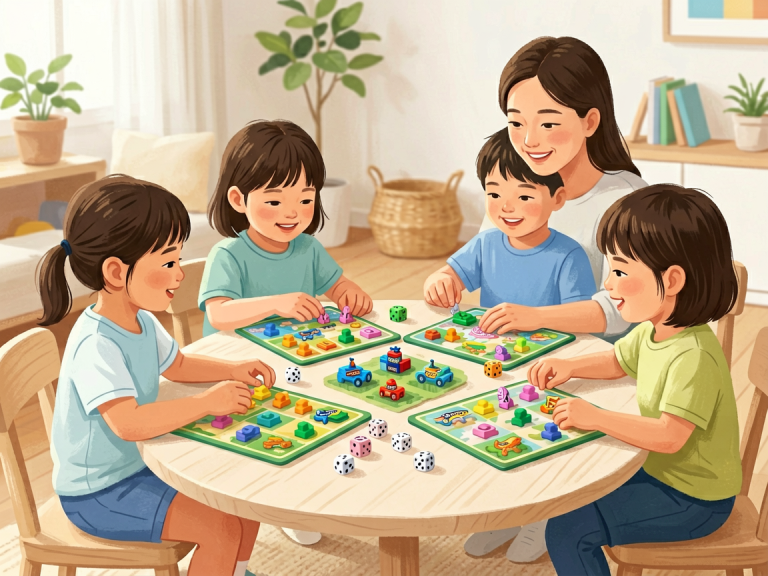
Now children are ready for more complex sentence structures, question forms, and pre-reading skills. Language toys should focus on sequencing, rhyming, and narrative building. Magnetic alphabet sets with picture cards, electronic “spelling” games that say the letter and word, and story cubes (dice with pictures that prompt a story) are perfect. Board games like “Zingo!” (a Bingo-style vocabulary game) or “Sight Words” matching games combine social play with literacy. A high-quality interactive talking pen that reads specially coded books aloud can help children connect printed words to spoken sounds. For bilingual families, consider toys that alternate between two languages—many electronic toys now offer a language switch, allowing the same toy to teach both English and Spanish, for example. At this stage, toys that encourage the child to ask questions, make predictions, and retell stories will best support advanced language development.
Key Features to Look For: Quality Over Flash
Not all language toys are created equal. When you’re scanning store shelves or online listings, keep these features in mind to ensure you’re getting a toy that genuinely supports language learning—not just a noisy distraction.
*Clear, Natural Audio*
The toy’s voice should be clear, properly paced, and spoken in a natural tone. Avoid toys with robotic, garbled, or excessively high-pitched voices. Many budget toys suffer from poor audio quality that can actually confuse a child’s speech processing. Listen to audio samples if available, or read reviews that specifically mention sound clarity.
*Interactivity and Feedback*
Passive toys that simply play a song or voice a word once are less effective than toys that respond to the child’s actions. Look for toys with touch sensors, buttons that prompt questions (“What’s the cat saying? Press the cat!”), or voice-recording features that let the child speak and then hear themselves. Toys that provide positive reinforcement (cheers, applause, or encouraging phrases) motivate repeat practice.
*Progressive Difficulty*
The best language toys grow with the child. For example, a talking book that has different modes—first just naming pictures, later asking comprehension questions, and eventually telling full stories—offers years of use. Check product descriptions for “levels” or “modes” that increase in complexity.
*Educational Alignment*
Does the toy target specific language skills? Some focus on phonemes (sounds), others on vocabulary categories (animals, food, actions), and still others on social communication (greetings, emotions). Identify your child’s needs. If they are struggling with articulation, a toy that emphasizes sound repetition (like “Blippi” style talk-along toys) might be ideal. If they need help with grammar, a toy that models correct sentence structure (“I am eating an apple” instead of just “apple”) is better.
*Durability and Cleanability*
Children drool, spill, and throw. Language toys often have electronic components that can be damaged. Look for toys with sealed battery compartments, washable fabric parts, and sturdy plastic that can survive drops. Removable, machine-washable covers for plush toys are a plus.
Safety and Quality Considerations
Safety should always come before educational value. For toys intended for children under three, ensure no small parts that could be choking hazards. Check for BPA-free materials, rounded edges, and non-toxic paints. Batteries should be secured with screws to prevent access. Additionally, verify that the toy’s volume is not dangerously high; some electronic toys can exceed 85 decibels, which can damage hearing over long exposure. Look for volume control or a “whisper” mode. For screen-based language toys (e.g., tablets with learning apps), limit use to short sessions and follow American Academy of Pediatrics screen-time guidelines. Finally, buy from reputable brands that comply with safety standards like ASTM in the US or EN71 in Europe.
Practical Buying Tips for Parents and Educators
- Read reviews from speech-language pathologists. Parents with lived experience are helpful, but professional reviews often highlight specific linguistic benefits or drawbacks.
- Consider the toy’s “open-endedness.” Toys that allow for creative, narrative play (e.g., a simple set of animal figures with a story prompts card) often generate more language than rigid, button-mashing toys.
- Don’t ignore the power of non-electronic toys. Classic language-learning tools—like wooden blocks with letters, felt storyboards, or simple finger puppets—can be just as effective when an adult uses them to narrate and ask questions. The key is adult interaction; a toy is only as good as the conversation it sparks.
- Plan for battery life. Many electronic language toys drain batteries quickly. Consider rechargeable battery packs or toys with USB charging. Nothing kills a learning moment like a dying toy.
- Test for cultural relevance. If you’re raising a bilingual child, ensure the toy uses authentic accents and vocabulary. A toy that says “trash can” instead of “bin” might confuse a British-English learner.
Top Language Toy Recommendations (By Category)
Rather than listing specific brands (which change rapidly), here are categories and examples of what to seek:
- *Talking Books:* LeapFrog’s “LeapStart” system or VTech’s “Touch & Learn” storybooks offer age-adjusted modes.
- *Phonics Toys:* “Alphabet Pal” plush caterpillars that sing letter sounds, or magnetic letter boards with sound effects.
- *Interactive Plush:* “Talking” stuffed animals that repeat phrases when squeezed (great for shy talkers).
- *Board Games:* “Story Cubes,” “Zingo!” (ThinkFun), and “Spot It! Alphabet” for older preschoolers.
- *Digital-Free Options:* “Melissa & Doug” wooden puzzles with picture labels, “Suuuper Size” memory cards, and “Lakeshore Learning” language activity kits.
Conclusion
Language toys are not magic bullets—they work best when combined with rich, everyday conversation, reading together, and plenty of responsive listening from caregivers. But the right toy can be a powerful catalyst, turning a rainy afternoon into a vocabulary-building adventure. As you navigate the buying process, remember that the most important “feature” is the joy it brings. A toy that makes your child laugh, repeat a sound, or ask “What’s that?” is already doing its job. Trust your instincts, prioritize safety and developmental fit, and don’t be afraid to rotate toys to keep language learning fresh. With this guide in hand, you’re ready to choose language toys that don’t just speak—they inspire.