Holiday Toy Planning Mistakes to Avoid: A Guide to Smarter Gift-Giving
The holiday season is a time of joy, family gatherings, and—let’s be honest—a mountain of toys. For parents, grandparents, and gift-givers, the quest to find the perfect toy can quickly turn from a heartwarming tradition into a stressful, wallet-draining ordeal. Each year, millions of dollars are spent on toys that end up forgotten by New Year’s Day, collecting dust in the corner of a playroom, or worse, causing safety hazards. The key to avoiding these pitfalls is not to stop buying toys altogether, but to plan with purpose and avoid the most common mistakes. In this article, we will explore the top holiday toy planning mistakes to avoid, providing practical strategies to help you choose gifts that delight, educate, and endure.
Mistake #1: Falling for Advertisements and Hype
One of the biggest traps during the holiday season is the relentless barrage of advertisements, influencer endorsements, and “must-have” toy lists. Marketers spend billions to create a sense of urgency and exclusivity, making you believe that if you don’t buy the latest gadget or collectible, your child will miss out on some magical childhood experience.
Why This Is a Problem
The hype-driven toy often has a short lifespan. Think of the fidget spinners of a few years ago or the latest electronic pet that everyone had to own. By the time December 26 arrives, the novelty has worn off, and the trend has already passed. Worse, many of these toys are overpriced, poorly made, or quickly break, leading to disappointment and frustration for both children and parents.
How to Avoid It
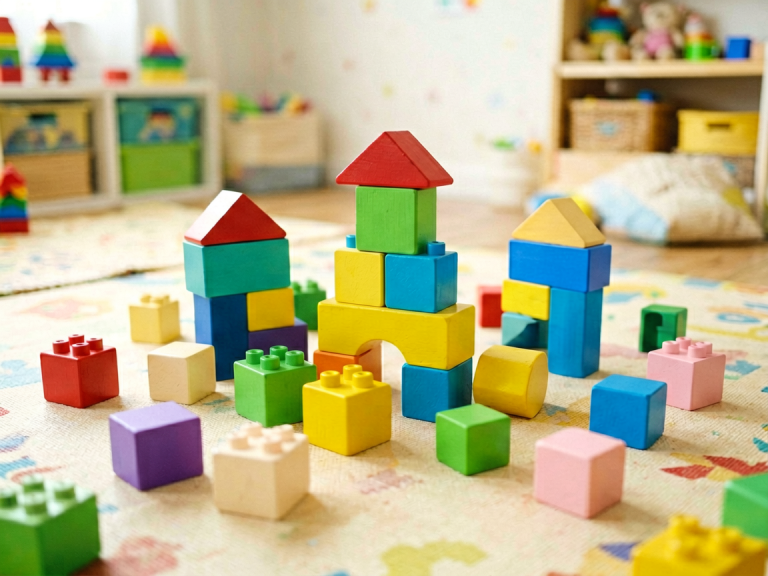
Instead of reacting to advertisements, take time to observe your child’s genuine interests. Do they love building things? Art? Pretend play? If they have a favorite hobby or activity, look for toys that extend that passion rather than introducing a trend that has no staying power. Ask yourself: “Will this toy still be played with in March? Could it be donated or passed down?” Real value often lies in timeless classics—LEGO bricks, puzzles, art supplies, or simple wooden trains—that spark creativity for years.
Mistake #2: Ignoring Age and Developmental Stage
Another common error is buying a toy that is either too advanced or too simple for the child. For example, a complex building set for a three-year-old may cause frustration and even pose a choking hazard due to small parts. Conversely, a basic rattle for a ten-year-old will be discarded as insultingly babyish.
Why This Is a Problem
When a toy does not match a child’s developmental abilities, it fails to engage them. Too advanced leads to a sense of failure; too simple leads to boredom. Both outcomes create wasted money and a disappointed child. Furthermore, safety guidelines are tied to age recommendations for good reason—ignoring them can lead to injuries.
How to Avoid It
Always check the manufacturer’s age recommendations and, more importantly, consider the individual child’s skills. A six-year-old who loves building might be ready for a slightly more advanced engineering kit, while a six-year-old who prefers art might need simpler tools. If you’re unsure, talk to parents or read online reviews from families with similar-aged children. When in doubt, choose a toy that offers open-ended possibilities, such as play dough, magnetic tiles, or craft supplies, which can be enjoyed across many ages.
Mistake #3: Prioritizing “Educational” Labels Over Authentic Play
In recent years, the market has flooded with toys marketed as “STEM,” “coding,” or “brain-building.” While learning is important, many parents fall into the trap of buying these toys thinking they will give their child a developmental edge. But not all educational toys are created equal.
Why This Is a Problem
Some so-called educational toys are little more than boring worksheets with a plastic shell. They promise skill-building but fail to capture a child’s natural curiosity. Children learn best through play that is spontaneous, joyful, and self-directed. If a toy feels more like homework, kids will resist it. Moreover, many “educational” toys are overly prescriptive—they tell the child exactly what to do, leaving no room for creativity.
How to Avoid It
Look for toys that encourage open-ended exploration rather than step-by-step instruction. A set of wooden blocks, a marble run, or a simple microscope teaches far more about physics, engineering, and observation than a battery-operated gadget that buzzes and lights up. Evaluate educational claims critically. Is the toy genuinely engaging, or is it just a gimmick? The best learning tools are those that let children fail, experiment, and discover on their own terms.
Mistake #4: Overlooking Safety and Quality
The holiday rush often leads to impulse buying from questionable sources—online marketplaces with no quality control, dollar stores, or flash sales on unknown brands. Cheap toys may seem like a bargain, but they can come with hidden dangers.
Why This Is a Problem
Low-cost toys may contain toxic chemicals, sharp edges, magnetic pieces that can be swallowed, or batteries that leak. In the United States, the Consumer Product Safety Commission recalls hundreds of toys each year, but many unsafe products still slip through the cracks. Additionally, poorly manufactured toys break easily, creating small parts that can become choking hazards. The medical bills or stress from an accident far outweigh any initial savings.
How to Avoid It
Stick to reputable brands that have a history of safety testing, such as Melissa & Doug, LEGO, Hape, or Fisher-Price. Look for certifications like ASTM (American Society for Testing and Materials) or the CE mark in Europe. Read recall lists before you buy—the CPSC website provides free updates. And always inspect the toy yourself: Are there small parts that could come loose? Does it feel sturdy? Is there an unpleasant chemical smell? A slightly higher price tag often reflects safer materials and better craftsmanship.
Mistake #5: Forgetting to Set a Realistic Budget
It’s easy to get swept up in the holiday spirit and overspend on toys. Between the decorations, travel, and food, toy budgets can quickly spiral out of control. Many families end the season with credit card debt and a house full of stuff that no one really needs.
Why This Is a Problem
Financial stress can ruin the holiday for parents, and it teaches children an unhealthy relationship with consumption. Children who get everything they ask for often develop a sense of entitlement and fail to appreciate the value of things. Meanwhile, the joy of a single thoughtful gift can be lost in an avalanche of wrapping paper.
How to Avoid It
Set a firm budget before you start shopping, and stick to it. The “four-gift rule” is a popular approach: something they want, something they need, something to wear, and something to read. This limits the number of toys while ensuring each gift is meaningful. Also, consider non-toy gifts like experiences (a zoo membership, a cooking class, or a trip to a museum). These create lasting memories without cluttering the home. Remember, children often value time with loved ones more than the latest toy.
Mistake #6: Buying Without Considering Storage and Clutter
Every parent knows the feeling: unpacking a new toy, only to realize there is nowhere to put it. The playroom is already overflowing; the living room floor is a minefield of plastic pieces. This mistake is especially common during the holidays, when multiple grandparents and relatives all contribute to the pile.
Why This Is a Problem
Too many toys lead to overwhelmed children who cannot focus on any single item. Research shows that children with fewer toys actually play more creatively and deeply, as they are forced to invent and engage with what they have. A cluttered home also adds to parental stress and can create safety hazards.
How to Avoid It
Before the holidays, declutter old toys. Donate items that are no longer played with. Make a list of what you already have to avoid duplicates. When buying, think about the toy’s footprint: Will it fit on a shelf? Does it have a storage solution built in? For large toys, consider whether they can be folded or disassembled. Communicate with relatives and close friends about your space constraints—they may appreciate a wish list that avoids oversized items. A “one in, one out” rule helps maintain balance so that the joy of receiving is not overshadowed by the burden of managing.
Mistake #7: Waiting Until the Last Minute
Procrastination is a classic holiday planning mistake. The week before Christmas, stores are chaotic, shipping deadlines have passed, and you are left grabbing whatever is left on the shelves. This often results in overpriced, poorly chosen gifts.
Why This Is a Problem
Last-minute shopping leads to panic-driven decisions. You may end up buying a toy that you know little about, paying extra for expedited shipping, or settling for an item that doesn’t match your child’s interests. Furthermore, you miss the opportunity to compare products, read reviews, and check safety recalls.
How to Avoid It
Start your holiday toy planning in October or early November. Make a list of the children you need to buy for, jot down their known interests, and research options early. Sign up for sale alerts from reputable stores. Many retailers offer pre-Black Friday deals, and ordering sooner ensures supply is available. By December 1, aim to have at least 80% of your shopping done. This gives you time to return or exchange if a toy arrives damaged or is found to be unsafe.
Mistake #8: Buying for the “Ideal” Child Instead of the Real One
We all have an image of who we want our children to be—perhaps a budding engineer, a future artist, or a sporty adventurer. It’s easy to buy a toy that aligns with that image rather than the child’s actual personality and passions.
Why This Is a Problem
When we give a toy that expects a certain behavior, we can unintentionally pressure children. For instance, buying a complex chemistry set for a child who is more interested in dance may send the message that their current interests are not good enough. This can hurt their confidence and make them feel misunderstood.
How to Avoid It
Observe your child at play. What do they gravitate toward? Do they prefer solo activities or group games? Are they logical and analytical, or imaginative and emotional? Match the toy to the child you have, not the child you dream about. It’s perfectly okay to buy a toy that supports a potential new interest, but do so gently, without high expectations. The gift should be an invitation, not a demand.
Final Thoughts: Plan with Love and Intent
Holiday toy planning does not have to be a source of stress. By avoiding these common mistakes—falling for hype, ignoring age, chasing empty educational labels, compromising safety, overspending, neglecting storage, procrastinating, and projecting unrealistic ideals—you can transform gift-giving into a meaningful act of love. The best toy is one that sparks joy, encourages connection, and respects both the child’s individuality and your family’s values. This year, take a step back, plan ahead, and choose toys that will be remembered not for their price tag or popularity, but for the laughter and learning they inspire. Your children—and your wallet—will thank you.