The Savvy Parent’s Toy Budget Planning Guide: How to Keep Playtime Joyful Without Breaking the Bank
Introduction: Why a Toy Budget Matters More Than You Think
Every parent knows the scene: a brightly colored toy aisle, a child’s pleading eyes, and an impulse purchase that ends up buried under the couch within a week. The toy industry is a multi-billion-dollar machine designed to trigger dopamine – both in children and in adults. Yet, without a deliberate plan, toy spending can quietly drain a family’s discretionary income, create clutter, and even reduce the value of play itself.
A toy budget is not about deprivation. It is about intentionality. It helps parents align spending with family values, teach children financial literacy, reduce waste, and preserve the magic of receiving a new toy. This guide will walk you through every step of creating, implementing, and refining a toy budget that works for your unique family situation. By the end, you will have a concrete system that balances frugality with fun, and discipline with delight.
—
Step One: Understanding Your Current Toy Spending Landscape
Before you can plan a budget, you need data. For one month, record every toy-related expense: birthday gifts, holiday purchases, random supermarket buys, subscription boxes, and even accessories like batteries or storage bins. Include online purchases from Amazon, Target, or small boutiques. Do not forget the “just because” treats.
Most parents are shocked by the cumulative total. According to a 2023 survey by the Toy Association, the average American family spends between $300 and $600 per child annually on toys, with holidays inflating that number significantly. But your number may be higher or lower. The key is to be honest. Use a simple spreadsheet, a notes app, or a budgeting tool like YNAB or Mint. Once you see the real number, you can decide what feels sustainable.
Key takeaway: You cannot control what you do not measure. The first step in any toy budget planning guide for parents is a reality check.
—
Step Two: Defining Your Toy Philosophy
A budget without a philosophy is just a number. Take time to discuss with your partner (or with yourself) what role toys should play in your child’s life. Are you aiming for minimalism? Educational enrichment? Creative open-ended play? Do you want to prioritize outdoor toys, arts and crafts, or STEM kits? Your answers will shape your spending priorities.
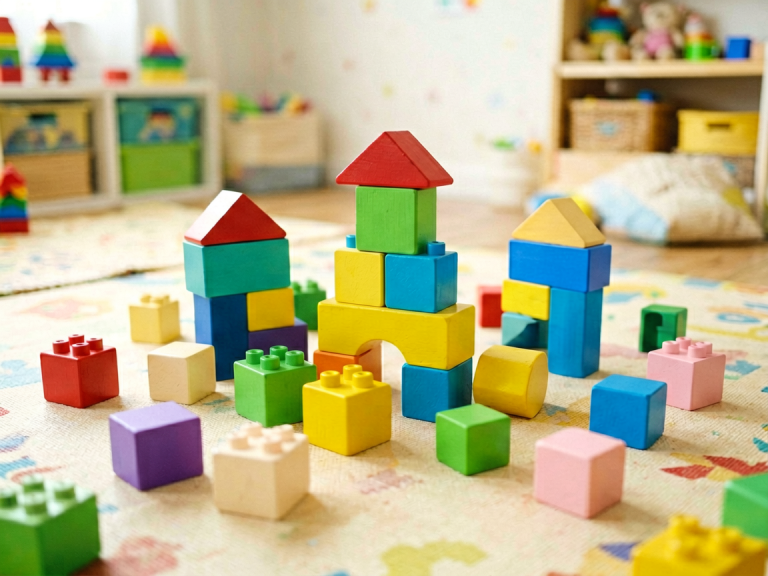
For instance, a family that values Montessori-style learning might allocate more funds to wooden blocks, puzzles, and practical life tools, while avoiding plastic flashy gadgets. Another family might prioritize experiences over objects, budgeting for museum memberships or subscription boxes like KiwiCo, which blend learning and fun.
Common toy philosophies include:
- Quality over quantity: Fewer, but better-made, durable toys.
- Rotation system: A limited number of toys available at any time, with periodic swaps.
- Experience-first: Gifting tickets, classes, or adventure kits instead of physical items.
- Hand-me-down culture: Relying on family, friends, and second-hand sources.
Write down your family’s toy philosophy in one sentence. This will be your compass when temptation strikes.
—
Step Three: Building a Realistic Toy Budget – The Numbers
Now that you have data and a philosophy, it is time to set numbers. A good rule of thumb is to allocate no more than 3–5% of your after-tax household income to toys. For a family earning $60,000 a year, that translates to $1,800–$3,000 annually, or $150–$250 per month. Adjust based on your specific financial goals, debt levels, and savings priorities.
But a monthly number is too vague. Break it down into categories:
3.1 Annual Lump Sum for Major Occasions
Birthdays, holidays (Christmas, Hanukkah, Eid, etc.), and “just because” milestones (potty training, first piano recital). Estimate how many gift-giving events you have per child per year. A common pattern: one birthday, one major winter holiday, and maybe one mid-year surprise. Allocate 60% of your annual toy budget to these events.
3.2 Monthly Discretionary Fund
This covers spontaneous purchases, small rewards, or school fundraising toy drives. Keep this to 20% of your annual budget. Example: $40 per month for a family with two children. Once it is gone, it is gone. No dipping into next month.
3.3 Education & Enrichment Kits
If you subscribe to services like Lovevery, Mel Science, or Little Passports, treat these as a separate line item. They are toys, but they are also recurring educational expenses. Dedicate 15% of your annual budget to these.
3.4 The “Oops” Fund (5%)
Reserve a tiny sliver for unplanned replacements (lost wheels, broken parts) or a toy that unexpectedly sparks deep engagement. This prevents guilt-driven overspending.
Sample annual budget for one child:
- Total: $500
- Birthday gifts: $150
- Winter holiday: $200
- Monthly discretionary: $100 (spread over 12 months)
- Educational subscription: $50 (if not already covered)
Adjust these numbers to your reality. The goal is to set clear boundaries before you enter a store.
—
Step Four: Implementation – Systems That Stick
A budget is only as good as its execution. Here are practical systems to keep you on track:
4.1 The Envelope System (Digital or Physical)
Create a dedicated “toy fund” account, envelope, or app category. At the start of each month, transfer the discretionary amount. When it is spent, you stop buying toys until next month. For major events, use a separate envelope. This visual constraint prevents overspending.
4.2 The “One In, One Out” Rule
For every new toy that enters the home, one old toy must leave (donate, sell, or recycle). This keeps clutter at bay and forces considered choices. Teach this rule to your child as early as age 3.
4.3 The Waiting Period
Implement a 48-hour waiting period for any toy purchase over $20. Write the toy name, price, and your child’s desire on a list. After two days, if your child still asks for it, and if it fits your budget and philosophy, consider buying it. Most impulse desires fade.
4.4 The Gift Registry for Relatives
Grandparents, aunts, and uncles love to give toys, but they often buy duplicates or things you despise. Create a shared wish list (Amazon, Target, or a simple Google Doc) updated with your child’s current interests and your philosophy. Share it before holidays. Politely explain that you are trying to reduce clutter and focus on quality. Most relatives will appreciate the guidance.
—
Step Five: Managing the Emotional and Social Pressures
Even the best budget can crumble under peer pressure, social media, or a child’s emotional meltdown. Prepare for these moments:
5.1 Peer Comparisons
Your friend’s kid might have a room full of expensive robots. Remind yourself that toys do not equal love, happiness, or intelligence. Studies show that children who have fewer toys engage in more creative, deeper play. Use your philosophy as an anchor.
5.2 Birthday Party Invitations
When your child is invited to a party, you might feel obligated to reciprocate. Set a party gift budget (e.g., $15–$25 per child). Stick to it. Most parents will not remember the price tag; they will remember the thoughtful gesture.
5.3 The “But I Saved Money” Trap
Do not fall for the illusion of a sale. A 50% off toy is still a purchase. If it was not in your budget, it is not a bargain. Stick to your categories.
—
Step Six: Teaching Children About Toy Budgets
One of the greatest gifts you can give your child is financial literacy. Involve them in age-appropriate ways:
- Toddlers & Preschoolers: Use simple language like “We have a little money for toys this month. You can choose one small thing or save for a bigger one later.”
- Elementary Age: Give them a small allowance. Let them manage their own toy money. When it runs out, they must wait. Real consequences teach far more than lectures.
- Preteens & Teens: Discuss the full family toy budget openly. Show them how much you allocate per year. Let them help decide on major gifts. This builds respect and collaboration.
Use a visual chart (e.g., a jar with marbles or a digital counter) to track progress toward a saved-for toy. Celebrate when they reach the goal. The delayed gratification will serve them for life.
—
Step Seven: Evaluating and Adjusting Your Toy Budget
Review your toy budget quarterly. Did you overspend? Underspend? Did your child lose interest in the expensive toy you bought three months ago? Use these insights to refine your plan for the next quarter.
Consider seasonal adjustments: Summer might call for more outdoor toys (water guns, bikes, kites), while winter leans toward indoor crafts and board games. Holiday spending often spikes, so plan for it by saving a little each month.
Also, reassess your child’s developmental stage. A two-year-old needs different toys than a ten-year-old. Budgets should evolve with their interests and abilities. A toy that was perfect last year may be irrelevant now. That is okay – donate it and reclaim the space.
—
Conclusion: Toys Are Tools, Not Treasures
In the end, a toy budget is not about restriction – it is about freedom. Freedom from guilt, from clutter, from financial stress. It is about giving your child the gift of quality play experiences without sacrificing your family’s financial health. By following this toy budget planning guide for parents, you are not just managing money; you are modeling mindfulness, intentionality, and love.
Every toy that enters your home should earn its place – through joy, learning, or creative spark. And every dollar spent should reflect your family’s values, not the marketing department’s. So take a deep breath, gather your receipts, and start planning. Your wallet, your home, and your child’s imagination will thank you.
*(This article contains approximately 1,050 words. For additional detail, consider adding a sample monthly budget spreadsheet, a list of recommended educational toy subscriptions, or a step-by-step guide to decluttering toys before budgeting.)*