Smart Toy Budget Planning Tips for Parents: How to Keep Kids Happy Without Breaking the Bank
Introduction
Every parent knows the struggle: your child’s wish list grows faster than your monthly paycheck, and those sleek, colorful toys in the store aisles seem to whisper promises of endless joy. Yet, the reality of household finances often clashes with the desire to give children the best. Toy budget planning is not about deprivation—it’s about making intentional choices that maximize happiness, learning, and fun while staying within your financial means. With a structured approach, parents can avoid the guilt of overspending, the clutter of unused toys, and the stress of last-minute purchases. This article provides practical, actionable tips to help you create a toy budget that works for your family, ensuring that every dollar spent brings lasting value.
—
1. Set a Realistic Monthly or Yearly Toy Budget
The foundation of any smart toy budget is knowing exactly how much you can afford to spend. Start by reviewing your household income and fixed expenses. Allocate a specific amount for toys—whether weekly, monthly, or annually—and treat it as a non-negotiable line item, just like groceries or utilities. A common mistake is to lump toys into a vague “entertainment” category, which leads to overspending. Instead, decide on a number that feels comfortable. For example, you might set aside $30 per month or $360 per year. If you have multiple children, consider a combined pool that you divide based on birthdays, holidays, or special occasions. Write this number down and keep it visible—on your phone, a sticky note on the fridge, or in your budgeting app. This simple act creates accountability and turns a vague intention into a concrete plan.
—
2. Prioritize Quality Over Quantity
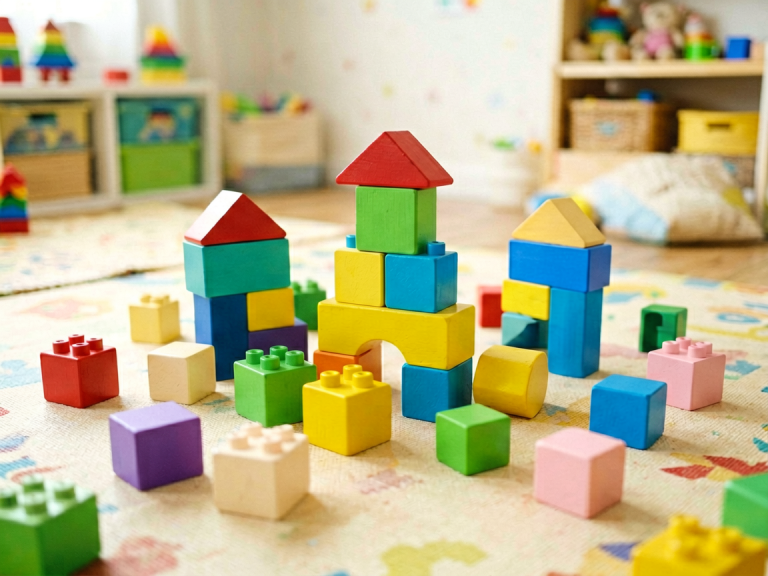
It’s easy to be tempted by cheap, flashy toys that seem like a bargain. However, these often break within days, leaving children disappointed and parents frustrated. A smarter approach is to invest in fewer, higher-quality toys that are durable, safe, and engaging. Look for brands known for longevity, such as wooden blocks, LEGO sets, or sturdy art supplies. While the upfront cost may be higher, the cost-per-play-hour is significantly lower. For instance, a $40 set of magnetic tiles that your child uses for hundreds of hours over several years is far more economical than ten $4 plastic trinkets that are discarded after a week. Make a habit of reading reviews, checking materials, and asking other parents about their long-term experiences. Your budget will stretch further when you buy toys that last.
—
3. Embrace Second-Hand and Swap Options
One parent’s clutter is another’s treasure. Thrift stores, garage sales, online marketplaces like Facebook Marketplace or eBay, and local consignment shops are goldmines for gently used toys at a fraction of retail prices. Many toys are barely used because children outgrow them quickly. You can often find puzzles with all pieces, board games in excellent condition, and even electronic toys that work perfectly. Additionally, consider organizing a toy swap with neighbors, friends, or your child’s school. Set a date, ask families to bring clean, unwanted toys, and let kids “shop” for new-to-them items. This not only saves money but also teaches children about sharing and sustainability. Just be sure to inspect second-hand toys for safety—check for loose parts, sharp edges, or recalled items.
—
4. Take Advantage of Seasonal Sales and Clearance
Timing your purchases can dramatically reduce your toy budget. Major holidays like Christmas, Black Friday, and Cyber Monday often feature deep discounts, but many parents forget about post-holiday sales, end-of-season clearances, and “Prime Day” events. For example, after Easter, you can find discounted baskets, plush bunnies, and outdoor toys. After the summer, pool toys and sand sets go on clearance. Make a list of toys your child truly wants or needs, and then wait for these sales. Sign up for email alerts from your favorite toy stores or use price-tracking apps like CamelCamelCamel for Amazon. However, be disciplined: only buy what is already on your list. A 50% discount on an item you don’t need is still 50% wasted money.
—
5. Avoid Impulse Purchases with a Waiting Period
Impulse buying is the biggest enemy of a toy budget. The bright packaging, the pleading eyes in the checkout line, or the “limited-time offer” can easily derail your plan. A simple yet powerful rule is to implement a 48-hour waiting period for any non-essential toy purchase. When your child asks for a toy, or when you see an intriguing item, take a photo or write it down. Wait two full days before deciding. During this time, research the toy, compare prices, and ask yourself: “Does this align with our budget? Will my child still want it in a week? Is there a cheaper alternative?” Most of the time, the initial excitement fades, and you realize you can skip it. This technique alone can save hundreds of dollars per year. For older children, you can even involve them in the waiting process, teaching patience and thoughtful decision-making.
—
6. Invest in Educational and Open-Ended Toys
Not all toys are created equal in terms of value. Open-ended toys—those that can be used in multiple ways and encourage creativity—often provide the best return on investment. Examples include building blocks, art supplies, play dough, dolls, action figures, and simple construction sets. Unlike single-purpose toys (e.g., a battery-operated car that only moves forward), open-ended toys grow with your child and adapt to different stages of development. Educational toys, such as science kits, coding robots, or language puzzles, also offer long-term benefits by fostering skills like problem-solving and critical thinking. When planning your budget, prioritize these categories. You can find many excellent educational toys at moderate prices, or even make your own (see tip 8). By focusing on toys that teach, you reduce the need for constant new purchases.
—
7. Consider Toy Libraries and Sharing with Friends
Toy libraries are a hidden gem for budget-conscious parents. Many public libraries, community centers, or independent organizations offer toy lending services. For a small annual fee (or sometimes free), you can borrow toys for a set period—just like borrowing books. This is perfect for seasonal items (e.g., a play tent for summer, a rocking horse for a toddler), expensive toys your child might lose interest in quickly, or developmental toys for short phases. Similarly, form a toy-sharing circle with a few trusted families. Rotate toys among yourselves: one family buys a train set, another buys a dollhouse, and everyone gets to enjoy them without individual ownership costs. Not only does this save money, but it also reduces clutter and teaches children the value of generosity and community.
—
8. Get Creative with DIY and Upcycled Toys
Some of the most beloved toys don’t come from a store at all. Cardboard boxes become castles, empty yogurt cups become building blocks, and old socks become puppets. DIY toys are not only nearly free but also encourage imaginative play and parent-child bonding. Spend a weekend afternoon making a sensory bin with rice, beans, and scoops; create a marble run from toilet paper rolls; or sew simple fabric dolls. You can find countless tutorials online for toys made from household items. Additionally, upcycling allows you to turn broken items into something new—for example, turn an old keyboard into a play computer. By incorporating DIY toys into your toy budget, you reduce spending while fostering creativity and resourcefulness in your children.
—
9. Teach Kids About Money and Value
A toy budget isn’t just a parental tool; it’s also an opportunity to teach children financial literacy. Involve your kids in age-appropriate conversations about budgeting. For example, give them a small allowance (e.g., $5 per week) and let them decide how to spend it on toys. This teaches delayed gratification, prioritization, and the reality that money is finite. When they want an expensive toy, help them create a savings plan: “If you save $2 per week, you can buy this in five weeks.” This method reduces impulse requests because children learn to weigh choices. You can also set rules like “one toy in, one toy out,” where they must donate or sell a toy before receiving a new one. Over time, they internalize the value of money and the joy of intentional spending.
—
10. Review and Adjust Your Budget Regularly
Life changes, and so do your children’s interests and needs. A toy budget should be a living document. Every quarter, sit down with your partner (and older children if appropriate) and review your spending. Did you stay within your monthly limits? Which purchases brought the most happiness and use? Which toys ended up ignored? Use these insights to adjust your future budget. For instance, if you discover that your child rarely plays with action figures but loves art supplies, shift more funds toward art. Also, account for birthdays and holidays—set aside a separate “celebration fund” so these events don’t bust your monthly budget. By reviewing regularly, you ensure your toy budget remains realistic and aligned with your family’s evolving needs.
—
Conclusion
Toy budget planning for parents is not about saying “no” all the time; it’s about saying “yes” to the right things. By setting a clear budget, prioritizing quality, embracing second-hand options, timing purchases, resisting impulses, choosing educational toys, using libraries, creating DIY fun, teaching kids about money, and reviewing your plan, you can provide a joyful, stimulating childhood without financial strain. Remember that the best toys often involve time, attention, and imagination—not a high price tag. With these tips, you’ll be well on your way to a balanced, clutter-free, and financially healthy toy ecosystem for your family. Start today, and watch your toy budget transform from a source of stress into a tool for smarter living.