The Ultimate Guide to Buying Toys Online for Parents: Safe, Smart, and Joyful Choices
In today’s digital age, buying toys online has become a convenient go‑to for many parents. With just a few clicks, you can browse thousands of options, compare prices, and have gifts delivered right to your doorstep. Yet this ease comes with its own challenges: how do you ensure the toy is safe, age‑appropriate, and worth the money? From deceptive marketing to hidden safety hazards, the virtual aisle is full of pitfalls. This comprehensive guide will walk you through every step of the online toy shopping journey, helping you make informed, joyful choices for your child.
Why a Specialized Guide for Online Toy Shopping?
Unlike buying in a physical store, online shopping removes the ability to touch, smell, or shake the toy. You cannot check the material quality firsthand, nor can you quickly scan the packaging for safety warnings. Moreover, algorithms and flashy ads often push products that maximise profit rather than child development. A parent needs to develop a sharp eye for online listings—reading between the lines of product descriptions, verifying seller reputations, and understanding how to filter for genuine gems amid a sea of cheap imitations. This guide is designed to equip you with that filter, turning online shopping from a gamble into a reliable method for building your child’s playroom.
Age Appropriateness: The Foundation of Safe Play
The first rule of toy buying—whether online or offline—is to match the toy to your child’s developmental stage. Online listings typically include a manufacturer’s age recommendation, but treat this as a starting point, not an absolute. A “ages 3+” label may be based on the presence of small parts, but also consider your child’s individual abilities. For infants and toddlers, avoid any toys with detachable pieces smaller than a toilet paper roll (roughly 1.25 inches in diameter). For preschoolers, look for toys that encourage imaginative play and fine motor <a href="https://www.playlearningguide.com/category/skills/”>skills, while school‑age children may enjoy more complex building sets or strategy games. When browsing online, use the website’s age-filter feature, but also read the detailed description for specific warnings such as “choking hazard” or “not for children under 3.” Remember, a toy that claims to be “educational” for a 2‑year‑old might actually be designed for a much older child, leading to frustration or safety risks.
Safety First: Materials, Choking Hazards, and Certifications
Safety is non‑negotiable. Online shoppers cannot rely on a quick sniff test or a tactile check, so you must become familiar with certifications and material disclosures. In the United States, look for the ASTM F963 label, which indicates compliance with the federal toy safety standard. In Europe, the CE mark is mandatory, but note that some counterfeit products misuse it. For paints and coatings, seek toys labelled “non‑toxic” or “phthalate‑free.” Be especially wary of toys made from unknown plastics that may contain BPA, lead, or other harmful chemicals. When buying craft or art supplies, check for the AP (Approved Product) seal from the Art & Creative Materials Institute. Additionally, always inspect the product photos closely: Are there any loose buttons, small magnets, or long cords that could pose strangulation risks? For babies, avoid toys with strings longer than 12 inches. Reading customer reviews that mention “fumes” or “paint chipping” can also be a red flag. If the listing lacks any safety information, move on—your child’s health is not worth the gamble.
Educational Value: Beyond Entertainment
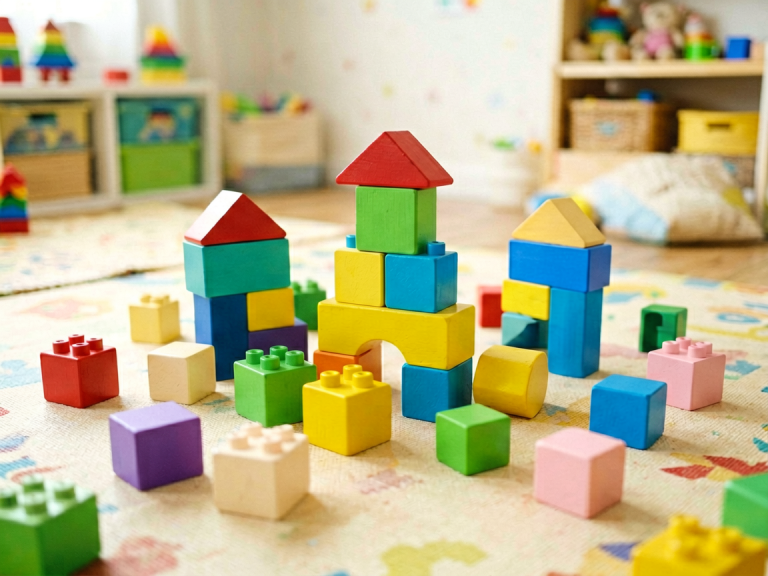
Toys are not just distractions; they are tools for learning. When shopping online, look beyond flashy lights and loud sounds. Instead, consider the open‑endedness of the toy—does it encourage creativity, problem‑solving, or social interaction? For example, wooden blocks, magnetic tiles, and art supplies offer endless possibilities, while many electronic toys with predetermined responses limit a child’s imagination. Read the product description for phrases like “STEM,” “STEAM,” “Montessori,” or “sensory play,” but verify that these claims are backed by genuine design. Check reviews from educators or parenting blogs that highlight how the toy promotes fine motor skills, hand‑eye coordination, or early literacy. Also, consider the toy’s longevity: a toy that a 3‑year‑old can use in simple ways and that a 6‑year‑old can use in more complex ways is a better investment than a single‑purpose gadget. Remember, the most educational toys are often the simplest—and the online marketplace is full of clever imitations that try to dress up poor quality as “learning tools.”
Reading Reviews and Ratings: A Parent’s Best Friend
Reviews can be your most powerful ally—if you know how to use them. Start by looking at overall star ratings, but always dive into the written comments. Filter reviews by “most recent” to see if the product’s quality has changed. Pay attention to reviews from verified purchasers (often marked as “verified purchase”) and look for those that mention the toy’s durability, safety, and whether it matched the advertised age range. Beware of reviews that are overly generic or that use similar language—they may be fake. Also, check the negative reviews carefully: one parent might complain about packaging, but if several mention parts breaking off or paint peeling, consider that a serious red flag. For toys with a large number of reviews, sort by “critical” to quickly spot recurring issues. Don’t forget to read reviews on multiple platforms—Amazon, Target, Walmart, or specialty toy stores—as each may have a different set of customer experiences. Finally, leave your own reviews after purchase to help other parents; it’s a way of paying it forward in the online community.
Price vs. Quality: Finding the Sweet Spot
It can be tempting to choose the cheapest option when buying online, but with toys, you often get what you pay for. Extremely low prices may indicate poor materials, lack of safety testing, or even counterfeit versions of popular brands. That said, expensive does not automatically mean good. The sweet spot is a toy that offers solid construction, safe materials, and play value at a reasonable price. To find this, compare prices across several websites, but also consider the toy’s expected lifespan. A $10 plastic toy that breaks after a week is far more expensive than a $30 wooden toy that lasts for years and can be passed down. Look for sales and coupons, but avoid impulse buys triggered by limited‑time deals. Use price‑tracking browser extensions to see if the current price is genuinely a good deal. Remember that shipping costs and return fees can change the effective price, so always check the total before clicking “buy.”
Return Policies and Customer Support: Safety Nets for Online Purchases
Even the most careful online shopper can receive a defective or misrepresented toy. That’s why understanding a retailer’s return policy is essential before you complete a purchase. Look for stores that offer free returns within 30 days, no questions asked. Check if the return shipping is covered by the seller or if you have to pay. For toy purchases specifically, be aware that some retailers do not accept returns on opened toys due to hygiene concerns—so if the toy is damaged or unsafe after opening, you may be stuck with it. Read the fine print on the product page or the store’s policy page. Also, note the condition of the packaging: if you plan to return a gift, you might need the original box and all contents. Customer support quality matters too—read reviews about the seller’s responsiveness. An obscure third‑party seller on a large marketplace might be hard to reach, while major retailers like Amazon, Target, or specialized toy stores usually have reliable support. If you are buying from an individual on eBay or Facebook Marketplace, ask for detailed photos and a written condition description.
Avoiding Marketing Traps and Impulse Buys
Online toy marketing is designed to bypass your rational brain and appeal directly to your child—or to your nostalgia. Flashy banners, countdown timers, and “buy one get one” offers can trigger a sense of urgency that leads to regret. To avoid this, create a list of your child’s actual needs and interests before you start browsing. Ask yourself: Does this toy fill a gap in their collection? Does it encourage a skill they are currently developing? Or am I buying it because it’s being pushed by an influencer or because it’s trending? Be especially wary of “ASMR” toy videos or unboxing channels that make cheap plastic toys look irresistible; those are curated advertisements, not honest reviews. Also, keep an eye out for “pre‑order” or “limited edition” claims—they often pressure you into buying without proper research. A good rule is to add a toy to your cart and wait 24 hours before purchasing. If you still feel it’s a wise choice the next day, go ahead. If the excitement fades, you’ve saved money and shelf space.
Sustainability and Ethical Considerations
More parents today are thinking about the environmental and social impact of the toys they buy. Online shopping makes it harder to assess a toy’s sustainability, but you can still make conscious choices. Look for toys made from wood sourced from certified forests (FSC label), recycled plastics, or biodegradable materials. Avoid toys with excessive plastic packaging—some sellers now offer “plastic‑free” or “minimal packaging” options. Check the brand’s manufacturing practices: do they use fair labour? Are their factories certified by organisations like B‑Corp or fair trade? Small independent toy makers often have transparent supply chains, while large conglomerates may source from low‑cost, unregulated factories. Read the “about us” page of the brand and look for sustainability reports. Also, consider second‑hand toys: buying gently used items online (through eBay, Mercari, or local Facebook groups) is both economical and eco‑friendly. Just be sure to inspect used items carefully for safety—recalls are common, and old toys may have outdated safety standards.
Final Tips for a Stress‑Free Experience
To sum up, buying toys online can be a wonderful experience when you approach it with intention and knowledge. Start by setting clear criteria: age, safety, educational value, and price. Use the website’s filters wisely, but always double‑check the details. Save your favourite items in a wishlist and monitor price drops. Sign up for newsletters from reputable toy retailers to get exclusive discounts, but unsubscribe if they tempt you too often. When in doubt, ask the online community—parenting forums, Reddit’s r/parenting, or Facebook groups can provide real‑world advice on specific toys. And finally, remember that the best toy is often the one that sparks your child’s curiosity, not the one with the most bells and whistles. Happy shopping, and may your deliveries always bring smiles!