The Art of Stillness: A Comprehensive Guide to Quiet Activities for Kids
In a world that constantly buzzes with screens, scheduled activities, and endless noise, the ability to be quiet is becoming a lost art—especially for children. Yet quiet time is not just about keeping kids occupied; it is a vital component of healthy development. Quiet activities foster concentration, spark creativity, encourage emotional regulation, and give young minds the space they need to process the day’s experiences. For parents, caregivers, and educators, knowing how to introduce and sustain calm, focused play can transform a chaotic afternoon into a peaceful sanctuary. This article explores a wide range of quiet activities for kids, organized into clear categories, with practical tips for implementation.
The Importance of Quiet Time for Children
Before diving into specific activities, it is helpful to understand why quiet time matters. Neuroscientific research shows that periods of low stimulation allow the brain to consolidate learning, strengthen neural connections, and engage in what psychologists call “default mode network” activity—the state in which daydreaming, self-reflection, and creative insights occur. For children, who are constantly bombarded with information, quiet activities provide a necessary reset. They also teach patience, self-discipline, and the ability to entertain oneself without external input. Moreover, quiet activities reduce cortisol levels, helping anxious or overstimulated children find calm. Thus, the activities listed below are not mere time-fillers; they are powerful tools for growth.
Solo Quiet Activities: Fostering Independence and Focus
Reading and Listening to Audiobooks
The simplest and most timeless quiet activity is reading. A child curled up with a book enters a world of imagination that requires nothing but a comfortable corner and good lighting. For pre-readers, picture books with rich illustrations offer visual storytelling, while older children can dive into chapter books. To make reading a quiet routine, create a dedicated reading nook—a beanbag chair by a window, a small tent, or a pillow fort stocked with age-appropriate books. Audiobooks are equally valuable; they allow children to experience stories while drawing, building with blocks, or simply lying down with closed eyes. Platforms like Audible or local library apps offer thousands of titles. Encourage kids to keep a “book journal” where they draw or write one sentence about what they read, turning the activity into a reflective practice.
Puzzles and Brain Teasers
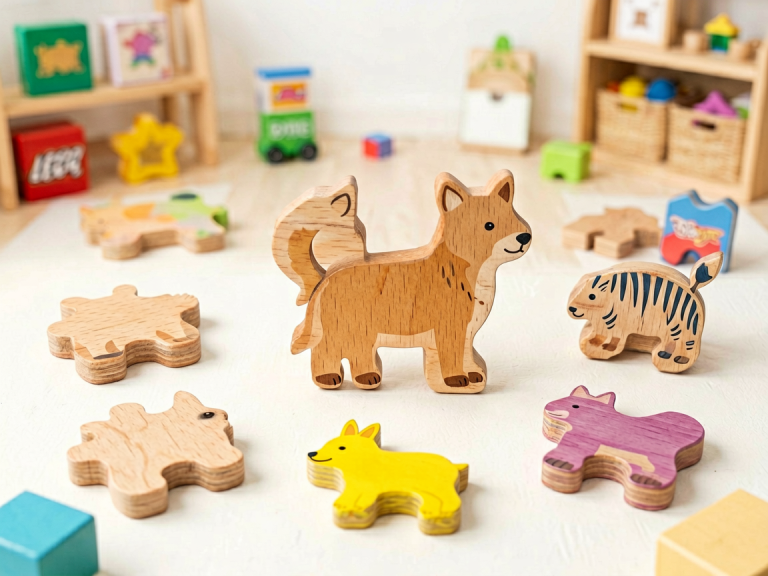
Puzzles are excellent for quiet, solitary concentration. Jigsaw puzzles develop spatial reasoning and fine motor skills, while logic puzzles, Sudoku, or crosswords (for older children) sharpen critical thinking. For young toddlers, simple wooden peg puzzles or shape-sorters work well; preschoolers enjoy 12- to 24-piece puzzles with favorite characters; school-age children can tackle 100-piece or more. To extend the activity, consider creating a puzzle station: a flat tray or board that can be stored under a sofa, allowing a child to work on a puzzle over several days without losing pieces. Brain teasers—like tangrams, Rubik’s cubes, or magnetic building sets—also provide hours of quiet engagement. They demand focus but are satisfyingly solvable, building confidence with each completed challenge.
Drawing, Sketching, and Doodling
Art supplies are the gateway to quiet creativity. A set of colored pencils, a sketchbook, and some inspiration can keep a child absorbed for an hour. To encourage deeper engagement, offer themed prompts: “Draw your favorite animal in a magical forest,” or “Sketch what you think the inside of a cloud looks like.” Doodling is particularly therapeutic; it requires no skill and allows the mind to wander freely. For younger children, finger painting or watercolor sets can be calming if set up with a plastic tablecloth and a smock. Advanced artists might enjoy zentangles—repeating patterns that are meditative to create. The key is to make art supplies easily accessible without requiring adult supervision. A small cart with paper, crayons, markers, and washable paints lets children choose their quiet activity independently.
Paired and Small-Group Quiet Activities: Building Connection Without Noise
Collaborative Storytelling
Two or more children can engage in quiet play by building a story together—using only whispers. One child starts with a sentence, the next adds another, and so on. They can write or type the story as it grows, or simply tell it orally. This activity develops listening skills, vocabulary, and narrative thinking while demanding that participants remain hushed so as not to break the spell. To add a visual element, provide a large sheet of paper and markers; each child illustrates a scene from the story as it unfolds. The resulting “book” can be read aloud later during a family story time, rewarding their quiet effort with shared attention.
Board Games and Card Games (Quiet Version)
Most board games involve noise—dice rolling, pieces clattering, excited shouts. But many games can be modified for quiet play. Chess, checkers, and Chinese checkers are inherently silent. Card games like Go Fish, Memory, or Solitaire (played individually) require no more than whispered conversation. For cooperative play, try “Stare!” or “Jenga,” where players must move slowly and silently to avoid toppling the tower. The rule of thumb: if you can play the game while keeping a marshmallow in your mouth without laughing, it qualifies. These quiet game sessions teach turn-taking, patience, and respect for others’ concentration.
Quiet Building and Constructing
Building with LEGO bricks, wooden blocks, magnetic tiles, or K’Nex is a quintessential quiet activity. Children can construct alone or in pairs, communicating with gestures or whispers. To elevate the experience, set a theme: “Build a castle for a tiny dragon” or “Design a bridge that spans two chairs.” The engineering challenge keeps minds engaged while bodies remain still. For older kids, model kits (airplanes, ships, or architectural replicas) require meticulous attention and can occupy hours. The joy of creation, coupled with the absence of verbal demands, makes building one of the most sustainable quiet activities. Consider dedicating a shelf or bin to building materials so that children can access them anytime without asking for help.
Calming and Mindful Quiet Activities: Regulating Emotions
Sensory Play with Quiet Materials
Sensory bins filled with rice, dried beans, sand, or kinetic sand provide a soothing, repetitive experience that many children find deeply calming. Add scoops, small toys, and containers for pouring and sorting. The fine motor manipulation keeps hands busy and minds still. Another option: playdough or clay. Kneading, rolling, and shaping are meditative actions that reduce anxiety. For a mess-free version, use “cloud dough” (8 parts flour to 1 part oil) or homemade slime stored in a sealed bag. These activities are best done on a tray or in a shallow bin to contain the materials. The quiet concentration they inspire helps overstimulated children decompress without needing to talk about their feelings.
Mindful Breathing and Yoga for Kids
While yoga is often perceived as active, child-friendly yoga can be a profoundly quiet practice. Simple poses like Tree Pose, Child’s Pose, or Downward Dog can be held in silence. Combine with breathing exercises: “Breathe in like you are smelling a flower, breathe out like you are blowing out a candle.” Apps like “Cosmic Kids Yoga” offer guided sessions that are both quiet and engaging. Even ten minutes of mindful breathing can lower heart rate and improve focus. For children who resist formal yoga, try “finger labyrinths”—tracing a maze pattern with one finger while breathing slowly. This activity combines visual concentration with breath regulation and requires no words.
Listening to Calming Music or Nature Sounds
Sometimes the quietest activity is simply listening. Create a playlist of soft instrumental music, classical piano, or nature sounds like rain, ocean waves, or birdsong. Invite the child to lie down on a mat, close their eyes, and “draw what they hear” in their imagination. Alternatively, provide a pair of child-safe headphones and a simple music player. This activity can be a part of a daily “quiet listening” routine, perhaps after a busy school day. It teaches children to be comfortable with stillness and to appreciate the subtle sounds around them. Over time, they may learn to initiate this practice themselves when they feel overwhelmed.
Incorporating Quiet Activities into Daily Routines
Transitioning from high-energy play to quiet time requires intention. Set a consistent “quiet hour” each day—perhaps after lunch or before dinner. During this hour, all screens are off, and only quiet activities are available. Model the behavior: adults might read, journal, or do a puzzle alongside children. Use a visual timer or a clear schedule so children know what to expect. Provide a “quiet corner” with pillows, a small rug, and a basket of activity options. Rotate the materials weekly to maintain novelty. Remember that quiet does not mean perfect silence; it means low-volume, focused engagement. A child humming softly while drawing is still participating in the spirit of quiet play.
Conclusion
Quiet activities for kids are not about suppression or boredom; they are about creating space for depth, creativity, and peace. From reading and puzzles to mindful breathing and collaborative building, these activities equip children with tools they will carry into adulthood: the ability to focus, the comfort of solitude, and the joy of creating without distraction. In a noisy world, the quiet child is not passive—they are actively nourishing their inner world. By offering a rich variety of calm pursuits, we give our children the gift of stillness, and that gift will keep giving for a lifetime.