The Ultimate Birthday Gift Planning Checklist: From Inspiration to Perfect Presentation
Introduction
Every birthday is a milestone—a small pause in the relentless march of time that deserves recognition, warmth, and a gesture that speaks louder than words. Yet, for many of us, the act of choosing a gift can feel like wandering through a maze without a map. We want our present to be meaningful, personal, and perhaps even surprising, but the sheer volume of options—combined with the pressure to get it "right"—often leads to last-minute panic, generic purchases, or that sinking feeling when the recipient’s smile doesn’t quite reach their eyes.
This is where a structured birthday gift planning checklist becomes your most valuable tool. Think of it as a creative compass that guides you from the first spark of an idea to the final bow on the wrapping paper. By breaking down the process into manageable steps, you eliminate anxiety, save time, and ensure that your gift carries genuine thoughtfulness. Whether you are shopping for a best friend, a parent, a partner, or a colleague, this comprehensive checklist will help you navigate the journey with confidence. Below, you will find a step-by-step framework, complete with practical tips and creative prompts, designed to transform gift-giving from a chore into an art form.
Section 1: The Foundation – Understanding the Recipient
Before you even think about price tags or product categories, you must invest time in understanding the person you are celebrating. A gift is never just an object; it is a message. It says, "I see you. I know you. I value what makes you unique." Therefore, the first phase of your checklist is all about observation and reflection.
Step 1.1: Gather Clues from Daily Life
Start by making a mental (or written) note of the recipient’s habits, passions, and small joys. What do they talk about most often? Do they have a hobby they never get enough time for? What makes them lose track of time? For example, if your friend constantly mentions wanting to learn watercolor painting, a beginner’s watercolor kit with a high-quality brush set could be a hit. If your partner always steals the softest blanket on the couch, consider a luxury weighted throw. Pay attention to their social media likes, the books on their nightstand, and the Pinterest boards they’ve shared. These digital breadcrumbs are gold.
Step 1.2: Consider Their Love Language
Dr. Gary Chapman’s concept of love languages applies beautifully to gift-giving. Is the recipient someone who feels most loved through words of affirmation? Then a handwritten letter inside a beautiful journal might mean more than an expensive gadget. Do they cherish quality time? Perhaps a planned experience—like a hot air balloon ride or a cooking class—outscores any material item. For those whose primary love language is acts of service, a gift that removes a burden (like a pre-paid house cleaning session) can be deeply touching. Aligning your gift with their deepest emotional needs ensures it resonates on a profound level.
Step 1.3: Note Practical Constraints and Preferences
Every gift planning checklist must account for realism. Does the recipient have any allergies? Are they trying to declutter their home? Do they have strong opinions about sustainability or ethical sourcing? A person who is a minimalist may prefer a single high-quality, multipurpose item over a pile of trinkets. Someone with dietary restrictions will not appreciate a gourmet chocolate box if they are vegan and gluten-free. Also, consider their current life stage: a new parent might need sleep more than anything, while a recent retiree might be craving adventure. Factoring in these constraints demonstrates respect for their lifestyle.
Section 2: Creative Ideation – Brainstorming Gift Concepts
Once you have a clear picture of the recipient, it is time to generate ideas. Creativity flourishes when constraints are clear, so use the information from Section 1 as your palette. This stage of the checklist is about quantity over quality—write down every idea, no matter how wild. Later, you can refine.
Step 2.1: The Three-Tier Brainstorm
Divide a sheet of paper into three columns: Sentimental, Experiential, and Practical. Under Sentimental, list gifts tied to shared memories—a framed photo of a vacation, a playlist of songs from your college days, a replica of a childhood toy. Under Experiential, think of activities: tickets to a concert, a weekend getaway, a virtual wine tasting. Under Practical, include items they need but would not buy for themselves: a high-end vegetable peeler for a home cook, noise-canceling headphones for a commuter, or a smart plant-watering device for a friend with a brown thumb. Aim for at least five ideas in each column.
Step 2.2: The "One-Step Removed" Technique
Sometimes the most thoughtful gifts are not the obvious ones. If they love coffee, do not buy them coffee beans (too predictable). Instead, buy them a subscription to a monthly coffee roaster that sends beans from different countries with tasting notes. If they are a runner, instead of running shoes (which are hard to size), buy them a gait analysis session at a specialized store plus a gift certificate. This "one-step removed" approach elevates the gift from ordinary to extraordinary by adding a layer of discovery.
Step 2.3: Consult the "Anti-Gift" List
Equally important is knowing what *not* to buy. Create a short list of items the recipient has explicitly or implicitly rejected. For example, if they have mentioned that they dislike clutter, avoid decorative knick-knacks. If they are trying to reduce screen time, do not buy them a tablet. This negative checklist saves you from misguided generosity and helps you focus on truly welcome options.
Section 3: Evaluation and Selection – Narrowing Down the Choices
With a rich pool of ideas, you now move to the critical selection phase. This is where your planning checklist becomes a decision-making tool. Apply a simple filter using three criteria: Impact, Feasibility, and Novelty.
Step 3.1: Score Each Idea
Rate each brainstormed gift on a scale of 1 to 5 for each criterion. Impact measures how emotionally meaningful the gift will be. Feasibility looks at your budget, the time available to source or create it, and any logistical hurdles (e.g., shipping delays, size availability). Novelty assesses how surprising or unique the gift feels—will they say "I never would have thought of that, but I love it"? Add the scores and rank the top three.
Step 3.2: Check for "The Element of Delight"
A truly great gift often contains a small, unexpected touch. For example, if you settle on a high-end kitchen knife set, consider adding a personalized cutting board engraved with a funny inside joke. If you choose a spa gift certificate, include a small vial of their favorite essential oil. This extra layer shows you went beyond the transactional purchase. Ask yourself: what tiny bonus can I include that will make the recipient smile?
Step 3.3: Confirm Practical Details Before Buying
Before hitting "add to cart," double-check the specifics. If it is clothing, do you know their exact measurement? If it is an electronic device, does their home setup support it (e.g., is everything Apple-compatible or do they use Android)? For experiences, is the date flexible? Is the recipient available on that date? A gift that requires redemption within a narrow window can become a source of stress rather than joy. Always read return policies and warranty information, especially for costly items.
Section 4: Procurement and Preparation – From Concept to Reality
Now that you have chosen the perfect gift, the planning checklist shifts to logistics. This phase is often overlooked but is where many gift-givers stumble. Proper execution ensures your gift arrives on time, in great condition, and presented with care.
Step 4.1: Set a Purchase Deadline
Count backward from the birthday. Leave at least five to seven days for shipping (if ordering online), plus one to two days for unexpected delays. For custom or handmade items—like engraved jewelry or a commissioned painting—allow two to three weeks. Mark this deadline in your calendar with a reminder. If you are making the gift yourself (baking, crafting, composing a song), schedule dedicated time slots in your week to avoid a sleepless night before the party.
Step 4.2: Consider Wrapping and Presentation
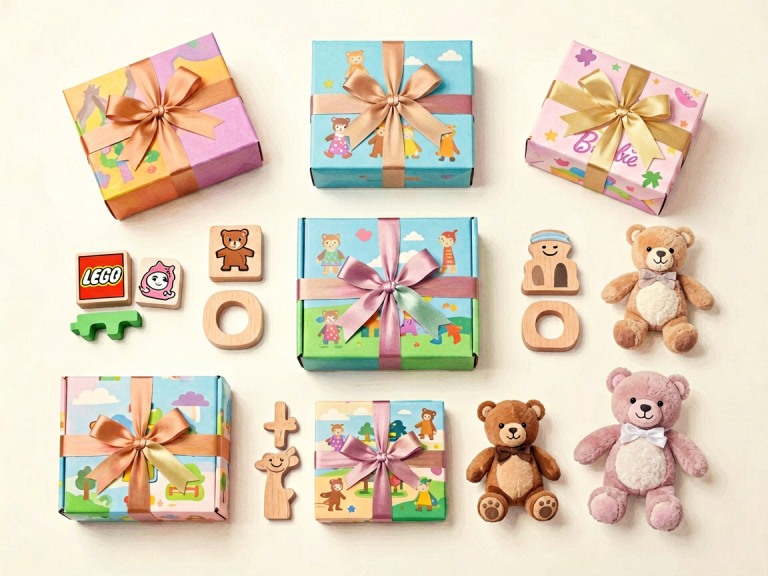
The first impression of a gift is its visual appeal. Wrapping is not an afterthought; it is part of the experience. Choose a color scheme that matches the recipient’s taste—maybe matte black and gold for a minimalist, or bright floral paper for a nature lover. Add a handwritten tag that includes not just the recipient’s name but also a short message: "For all the Sundays we’ve spent laughing over brunch." If the gift is an experience, consider creating a "coupon" or a small prop that hints at the adventure (e.g., a luggage tag for a trip, or a chef’s hat for a cooking class). The unwrapping moment should build anticipation.
Step 4.3: Plan the Delivery Moment
Think about *when* and *how* you will give the gift. Is it at a party, where they will have many eyes on them? Or in a quiet, private moment? If the recipient is shy, a public presentation might overwhelm them. If the gift is large or fragile, arrange for a safe transport. For long-distance loved ones, schedule a video call and open the gift together. You can even pre-record a short video explaining why you chose this gift and send it along with the package. This personal touch bridges distance.
Section 5: The Post-Gift Reflection – Celebrate and Learn
The final stage of the birthday gift planning checklist is often the most rewarding. After the birthday has passed, take a moment to reflect—not to criticize, but to learn.
Step 5.1: Observe the Reaction
Pay attention to the recipient’s immediate response. Do they light up? Do they immediately use the gift? Do they mention it days later? These cues will tell you if you hit the mark. Even a subdued reaction does not necessarily mean failure; some people are simply reserved in expressing joy. However, if they thank you profusely but never mention the gift again, it might indicate a mismatch. Take note for next time.
Step 5.2: Journal Your Insights
Maintain a simple digital or physical "Gift Log" for each person you regularly buy for. Record what you gave, what worked, and what did not. Over time, this becomes an invaluable reference. For instance, you might write: "2024: She loved the ceramic mug set but later mentioned she prefers large, handled mugs. 2025: Try a hand-thrown pottery mug from local artist." This practice transforms gift-giving from a once-a-year guesswork into an evolving understanding.
Step 5.3: Celebrate Your Own Effort
Finally, acknowledge the care and time you invested. Thoughtful gift-giving is an act of love, and you deserve to feel proud of the planning you executed. Treat yourself to a small reward—a cup of your favorite coffee, or an evening off—as a way of honoring the energy you spent making someone else’s day special.
Conclusion
A birthday gift planning checklist is not about reducing the magic of surprise; it is about ensuring that magic lands exactly where it should. By systematically understanding the recipient, generating creative options, evaluating them with precision, preparing with attention to detail, and reflecting on the outcome, you turn gift-giving into a deliberate and deeply satisfying practice. The next time you face a birthday on the calendar, you will no longer feel pressure or uncertainty. Instead, you will have a trusted process—a checklist that frees your mind to focus on the only thing that truly matters: the joy of giving. Happy planning, and even happier gifting.