The Ultimate Birthday Gift Planning Guide for Parents: From Toddlers to Teens
Every parent knows the feeling: your child’s birthday is creeping up on the calendar, and you still have no idea what to buy. You wander through toy stores, scroll endlessly online, and ask other parents for advice—only to end up with something that gets played with for three days and then abandoned in a corner. The truth is, choosing the perfect birthday gift is not about spending the most money or buying the trendiest item. It’s about understanding your child’s evolving interests, developmental stage, and emotional needs. This comprehensive guide will walk you through every step of the gift-planning process, helping you give presents that are meaningful, memorable, and exactly right for your child’s age and personality.
Understanding Your Child’s Developmental Stage
The first and most critical step in gift planning is to match the gift to your child’s current developmental abilities and interests. A gift that is too simple will bore them; one that is too advanced will frustrate them. Here’s a breakdown by age group to help you zero in on the sweet spot.
For Toddlers (Ages 1–3): Sensory Exploration and Safe Fun
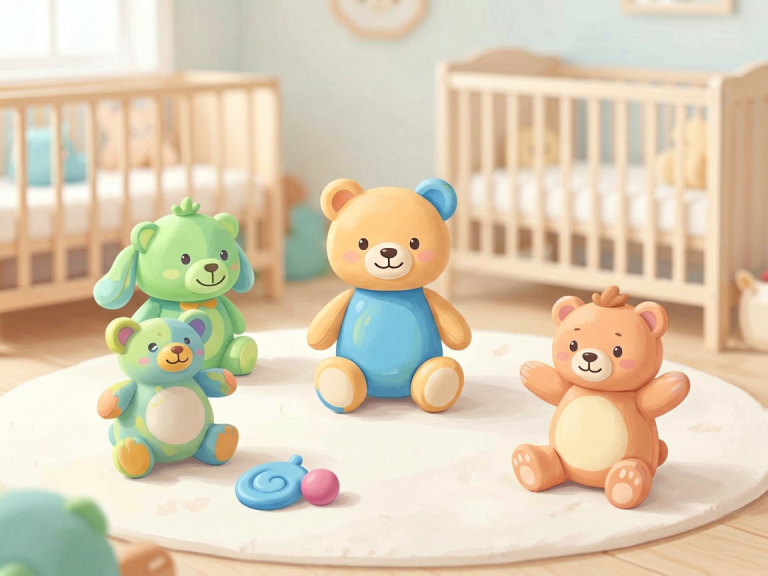
At this stage, children are discovering the world through their senses. They love things they can touch, shake, stack, and chew. Safety is paramount—avoid small parts, sharp edges, and toxic materials. Excellent gift ideas include:
- Stacking rings and nesting blocks that develop fine motor skills and spatial awareness.
- Push-and-pull toys that encourage walking and coordination.
- Musical instruments like xylophones, shakers, and drums to stimulate auditory development.
- Board books with textures (touch-and-feel books) that combine reading with tactile exploration.
The key is to choose items that are durable, washable, and designed for small hands. Avoid gifts that require batteries or complex instructions—toddlers learn best through open-ended play.
For Preschoolers (Ages 4–6): Imagination and Social Play
Preschoolers are entering a magical phase where imagination rules. They love pretend play, simple board games, and creative activities. This is also when social skills begin to blossom, so gifts that encourage sharing and cooperation are gold. Consider:
- Dress-up costumes and playsets (doctor kits, kitchen sets, tool benches) that let them role-play real-life scenarios.
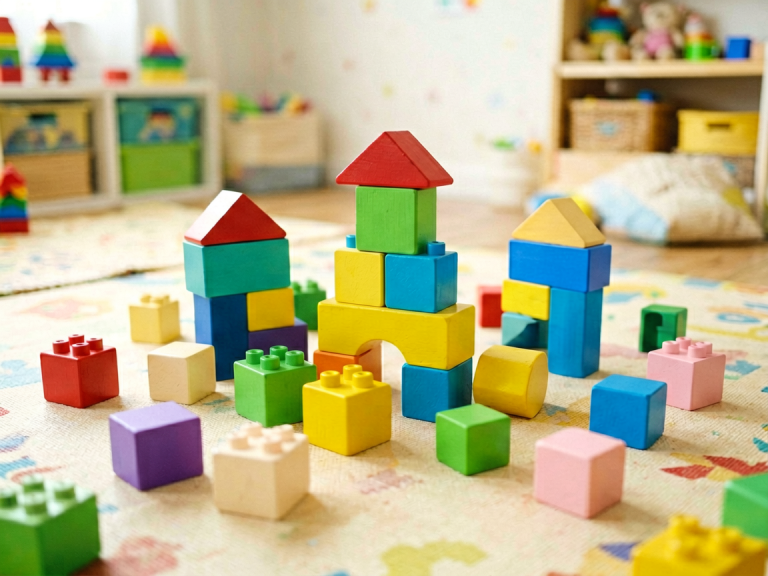
- Basic building sets like large LEGO Duplo or wooden blocks that allow open-ended construction.
- Age-appropriate board games that teach turn-taking and following rules (e.g., “Hungry Hungry Hippos” or “Candy Land”).
- Art supplies such as washable markers, finger paints, and play-dough—creative expression is huge at this age.
Remember that preschoolers often enjoy the process more than the end product. A gift that lets them “do” rather than just “watch” will be a hit.
For School-Age Children (Ages 7–9): Hobbies and Skill Building
By early elementary school, children start developing specific hobbies and interests. They also crave a sense of mastery and accomplishment. Gifts that challenge them while still being fun are ideal. Options include:
- Science kits, craft kits, or model-building sets that teach STEM concepts through hands-on activities.
- Sports equipment (a soccer ball, junior tennis racket, or skateboard) if they’ve shown interest in a particular sport.
- Chapter books or graphic novels that align with their reading level and favorite genres (adventure, fantasy, humor).
- Interactive games that involve strategy, like card games (Uno, Skip-Bo) or simple coding toys.
At this age, children also start comparing gifts with friends. Avoid being overly influenced by peer pressure—stick to what genuinely excites your child, not what everyone else is buying.
For Tweens (Ages 10–12): Identity and Social Connection
Tweens are in a transitional zone where they want to be treated as “older” but still enjoy kid-friendly fun. They are heavily influenced by their social circle and may have strong opinions about brands and trends. Gifts that support their growing independence and social connections work best:
- Personalized items like custom water bottles, phone cases, or jewelry that express their unique style.
- Gift cards to their favorite stores, app stores, or online gaming platforms—this gives them the autonomy to choose.
- Subscription boxes tailored to their interests (science experiments, art projects, or book clubs) that provide ongoing excitement.
- Small electronics like Bluetooth speakers, headphones, or digital cameras (within your budget and safety guidelines).
Be mindful that tweens can be sensitive to gifts that feel “babyish.” If in doubt, ask them directly for a wish list—many tweens appreciate being consulted.
For Teens (Ages 13+): Respect and Experiences Over Things
Teens are notoriously hard to shop for because their tastes change rapidly and they often already own the gadgets they want. The most successful teen gifts tend to be experiences, consumables, or high-quality versions of things they use daily. Consider:
- Concert or event tickets (sports games, theater shows, amusement parks) to create shared memories.
- High-end consumables like specialty coffee beans, gourmet snack boxes, or skincare sets (if they’re into that).
- Upgraded tech accessories (a better mouse, a high-quality backpack, or a drawing tablet for an artist).
- Lesson or workshop vouchers (music lessons, pottery classes, coding camps) that let them explore a new skill.
The golden rule for teens: ask them what they want, or give them cash or a gift card with a thoughtful note. It may feel impersonal, but teens often value the freedom to pick their own items above all else.
Budgeting Wisely: How to Spend Without Going Overboard
One of the biggest stress points for parents is the cost of birthday gifts. Between parties, decorations, and presents, expenses can spiral quickly. A smart gift plan always includes a realistic budget.
Set a Clear Spending Cap
Decide on a dollar amount before you start shopping—and stick to it. Consider your overall birthday budget (including party, cake, and activities) and allocate a percentage to gifts. If you have multiple children, try to keep spending equitable to avoid sibling resentment. It’s also okay to tell extended family your preferred price range if they ask for ideas.
Prioritize Quality Over Quantity
A single well-chosen gift is far more meaningful than a pile of cheap trinkets. Resist the urge to buy several small items just to have more presents under the wrapping. Instead, invest in one or two durable, high-interest gifts that your child will use for months or years. For younger children, this might be a high-quality wooden toy; for older ones, a reliable pair of headphones.
Consider “Experience” Gifts That Cost Less Than You Think
Experiences don’t have to be expensive. A homemade “coupon book” with promises of extra bedtime stories, a trip to the zoo, or a baking day together costs nothing but time. For a moderate budget, a day out (hiking, museum visit, or indoor trampoline park) can be a gift that generates photos and memories rather than clutter.
Personalizing the Perfect Gift
The magic ingredient that turns a good gift into an unforgettable one is personalization—showing your child that you truly see them and value their unique personality.
Observe Their Current Obsessions
Pay attention to what your child talks about nonstop, what YouTube videos they watch, or what games they play during free time. A gift that connects to a current obsession—like a Minecraft-themed LEGO set, a graphic novel by their favorite author, or a basketball signed by their local team—will score instant points.
Incorporate Their Name or Interests
Customized gifts add an extra layer of thoughtfulness. This could be a blanket embroidered with their name, a puzzle featuring a family photo, a journal with their initial, or a piece of jewelry with a birthstone. Even a simple gift card can be personalized by pairing it with a handwritten letter expressing why you’re proud of them.
Involve Them in the Process (Without Spoiling the Surprise)
If you’re unsure, ask indirect questions. For example, “If you could have a superpower for a day, what would it be?” can lead to ideas for superhero-themed items. Or “What’s the most fun thing you’ve ever done with your hands?” might point toward arts, crafts, or building kits. For older kids, a “wish list” text conversation is perfectly acceptable—it still leaves room for a surprise element like wrapping or presentation.
When to Choose Experiences Over Physical Gifts
In a world overflowing with toys, many parents are turning to experiential gifts as a way to reduce clutter and increase family bonding. But is an experience always the better choice? It depends on the child.
The Benefits of Experience Gifts
- Memories last longer than material possessions. A trip to a water park, a cooking class, or a weekend camping trip creates stories your child will retell for years.
- No clutter. No need to find space for yet another plastic toy that will be forgotten.
- Shared time. Many experience gifts involve you, the parent, which strengthens your connection.
How to Choose the Right Experience
Think about your child’s temperament. An outgoing, adventurous child might love a zipline course or a trampoline park. A quiet, creative child might prefer a pottery workshop or a behind-the-scenes tour at a museum. If your child is shy, avoid experiences that force them into the spotlight—instead, choose something they can enjoy at their own pace.
Combining a Small Physical Gift with an Experience
You don’t have to go all-in on one type. A popular compromise is to give a small, symbolic gift (like a new set of pajamas) along with a printed “ticket” or announcement for the experience. This gives them something to unwrap and something to look forward to.
The Final Checklist: Wrapping, Presentation, and Timing
The way you present a gift can be almost as important as the gift itself. Thoughtful wrapping and timing add to the excitement.
Make It Personal with Wrapping
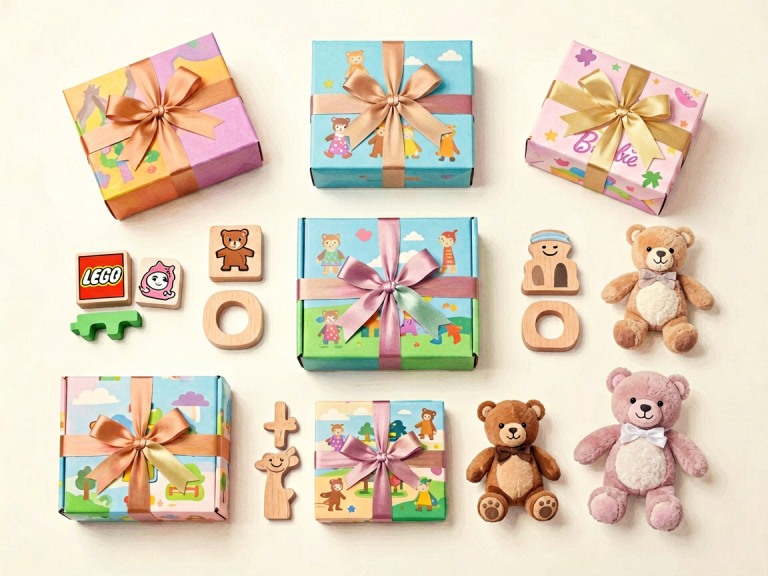
Use your child’s favorite colors, characters, or themes for the wrapping paper. Add a handmade card with a drawing or a short poem. For very young children, consider a “gift hunt” where you hide clues around the house leading to the present—this turns unwrapping into an adventure.
Give the Gift at the Right Moment
For younger kids, the morning of the birthday can be magical—they wake up to find a wrapped present waiting. For older children, consider giving the gift after the party or during a quiet moment when they can fully enjoy it. If the gift is an experience, announce it a few days early so they can anticipate it.
Don’t Forget the Backup Plan
Sometimes gifts miss the mark. Even with careful planning, a child might not react the way you hoped. That’s okay. Keep the receipt, and be prepared to exchange or return. Explain calmly that it’s fine to choose something else—your goal is their happiness, not your pride.
Conclusion: The Best Gift Is You
At the end of the day, the most important element of any birthday gift is the love and thought behind it. Your child will remember not just what they received, but how you made them feel seen, valued, and celebrated. By following this planning guide—understanding their stage, budgeting wisely, personalizing the choice, and considering experiences—you’ll be able to give gifts that resonate long after the wrapping paper is thrown away. Happy birthday planning!