The Ultimate Holiday Toy Planning Checklist: Your Guide to Joyful, Stress-Free Gifting
Introduction
The holiday season is a time of warmth, family, and generosity—but for many parents, grandparents, and gift-givers, it also brings a wave of anxiety. The shelves are overflowing with shiny boxes, the advertisements are relentless, and the pressure to find the “perfect” toy can feel overwhelming. Without a clear plan, you may end up buying items that are quickly forgotten, unsafe for the child’s age, or worse, that break before the wrapping paper is even recycled. A well-structured holiday toy planning checklist is not just a list; it is a strategic tool that saves time, money, and emotional energy. It ensures that every gift you give sparks genuine joy, supports development, and aligns with your family’s values. This guide will walk you through eight essential steps, from budgeting to post-holiday reflection, so you can approach the toy aisle with confidence and leave the stress behind.
—
1. Set Your Budget Early and Stick to It
Before you browse a single catalogue, open your wallet with a clear head. Holiday spending can quickly spiral out of control when you are seduced by flashy displays or limited-time offers. Begin by determining a total amount you are comfortable spending on toys this season. Break that number down per child or per recipient, keeping in mind that quality often matters more than quantity. A single well-chosen toy can bring months of engagement, while a pile of cheap trinkets may clutter the playroom and lose appeal in days.
Once you set your budget, write it down and commit to it. Use a simple spreadsheet or a notes app to track each purchase as you make it. Many online retailers let you filter by price range, so you can stay within your limits without feeling deprived. Remember that the best gift is often something the child truly loves, not something expensive. By establishing financial boundaries early, you free yourself from the guilt of overspending and the regret of a January credit card bill.
2. Know the Child’s Age & Developmental Stage
One of the most common mistakes in toy gifting is choosing an item that is either too advanced or too babyish for the recipient. A toy that is beyond a child’s cognitive or motor skills will frustrate them; one that is too simple will bore them. To avoid this, take a moment to understand the child’s exact age and, more importantly, their developmental milestones.
For infants (0–12 months), focus on sensory experiences: soft blocks, rattles, and high-contrast books that stimulate vision and touch. Toddlers (1–3 years) need toys that promote gross motor skills and cause-and-effect learning, such as push-and-pull toys, shape sorters, and simple puzzles. Preschoolers (3–5 years) thrive on imaginative play: dress-up costumes, play kitchens, and building sets. School-age children (6–12 years) often enjoy board games, science kits, and craft supplies that challenge their growing reasoning and creativity. Teenagers, of course, may prefer electronics, hobby-specific gear, or experiences over traditional toys.
When in doubt, check the manufacturer’s age recommendation on the packaging, but also observe the child in action. If they are particularly advanced in one area—say, a four-year-old who reads fluently—you can safely choose a more sophisticated educational toy. Conversely, if a child has special needs or slower development, choose toys that match their current abilities, not their chronological age. A thoughtful match will ensure the toy is used, loved, and beneficial.
3. Prioritize Safety and Quality
Nothing ruins the holiday spirit faster than a trip to the emergency room. Toy safety is non-negotiable. Start by examining the materials used in the toy. Avoid items with small detachable parts for children under three, as they pose a choking hazard. Check for sharp edges, toxic paints, and long cords that could wrap around a child’s neck. Look for safety certifications such as ASTM (American Society for Testing and Materials) or CE (Conformité Européenne) marks, which indicate the product meets rigorous safety standards.
Quality goes hand in hand with safety. A well-made toy withstands rough play, survives multiple drops, and does not leach chemicals. Read online reviews, especially those from parents who have used the toy for several months. Look for complaints about breakage, peeling paint, or malfunctioning parts. If possible, purchase from reputable brands known for durability and ethical manufacturing. While it is tempting to buy cheap knockoffs, they often compromise on safety and longevity. Investing in a higher-quality toy might cost more upfront, but it saves you from replacing it repeatedly and reduces waste.
4. Consider Interests and Passions
A toy that aligns with a child’s existing interests is a guaranteed hit. Before you shop, make a mental or written list of what the child talks about most. Do they love dinosaurs? Space? Princesses? Cars? Music? Art? Animals? Even a simple observation can guide you toward the perfect present.
For example, a child who spends hours drawing will adore a high-quality art set with watercolor pencils and a sketchbook. A budding engineer will appreciate a magnetic building kit or a robot that they can code. A story lover might treasure a collection of beautifully illustrated books or a subscription to a children’s book club. By connecting the gift to their passions, you show that you truly know and value them. This not only makes the toy more enjoyable but also strengthens your relationship.
Do not shy away from asking the child directly—or their parents, if the child is too young. Many parents keep a wish list or a Pinterest board. Some families use the “something they want, something they need, something to wear, something to read” method, but for the “something they want” category, interest-based toys are the most successful.
5. Think About Educational Value and Longevity
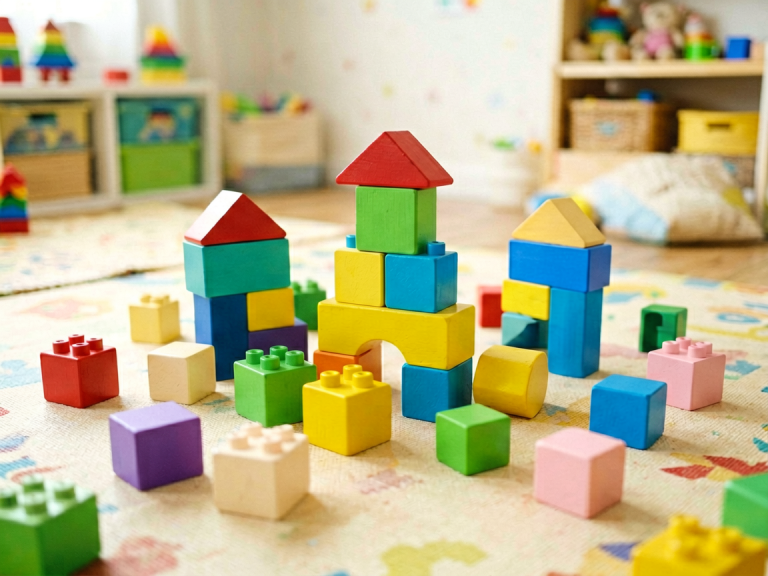
Toys are not just playthings; they are tools for learning and growth. The best toys challenge a child intellectually, socially, or emotionally without feeling like homework. Look for toys that encourage open-ended play—meaning the child can use them in multiple ways rather than following a single scripted outcome. Building blocks, art supplies, and role-play sets are classic examples. They adapt as the child grows and can be used for years.
Consider the toy’s longevity. Will it still be interesting in three months? A toy that offers multiple levels of difficulty, such as a puzzle that gets more complex, or a coding robot that teaches progressively advanced concepts, extends its usefulness. Avoid toys tied to a single fad or movie release; they often lose appeal quickly. Instead, choose timeless classics like LEGO, wooden trains, craft kits, or science experiments that align with a child’s natural curiosity.
Educational value does not mean boring. A toy that teaches math through a fun board game, or spelling through a word-building race, can be just as exciting as a flashy electronic device. The key is to find a balance between entertainment and enrichment. When you give a toy that helps a child develop problem-solving skills, creativity, or emotional intelligence, you are giving a gift that keeps on giving.
6. Plan for Sustainability and Ethical Choices
In an age of environmental awareness, many gift-givers are turning toward sustainable toys. Plastic toys often end up in landfills after a short lifespan. Instead, consider toys made from natural materials like wood, organic cotton, or recycled plastic. These are not only better for the planet but often more durable and aesthetically pleasing.
Also, think about the ethics behind the toy. Is the company known for fair labor practices? Does the packaging use minimal, recyclable materials? You can research a brand’s commitment to sustainability through their website or third-party certifications like B Corp or FSC (Forest Stewardship Council) for wood products.
Another sustainable approach is to buy secondhand. Gently used toys can be just as good as new, especially for items like wooden blocks or board games, where cleanliness is easy to restore. Thrift stores, online marketplaces, and toy swaps are excellent sources. You can also consider gifting experiences instead of physical toys—tickets to a museum, a zoo membership, or a class. These create memories without consuming materials.
7. Create a Shopping Timeline and Track Orders
Procrastination is the enemy of thoughtful gift-giving. As soon as you finalize your checklist, create a shopping timeline. Start early—ideally by mid-November for a December holiday. This gives you time to compare prices, read reviews, and handle shipping delays or out-of-stock issues.
List every toy you plan to buy and the recipient’s name. Then assign a deadline for each purchase. For example, “Order building set for Lily by November 20” or “Buy art supplies from local store by December 5.” Use a calendar app or a simple paper sheet. If you are ordering online, keep a record of order numbers, estimated delivery dates, and tracking links. Check for shipping cutoffs—many carriers have last-order dates for guaranteed delivery.
As packages arrive, set them aside in a designated hiding spot. Cross each item off your list as it is received. This system prevents duplicate purchases and last-minute panic. If a toy is backordered, you have time to choose an alternative without rushing.
8. Prepare for the Unwrapping Experience
The moment of unwrapping is part of the gift itself. Consider how the toy will be presented. Will the child need batteries included? Many toys come with a note “batteries not included,” which can be a huge disappointment on the big day. Buy the required batteries and install them before wrapping. Similarly, if the toy requires assembly, do it in advance or set aside time to build it together.
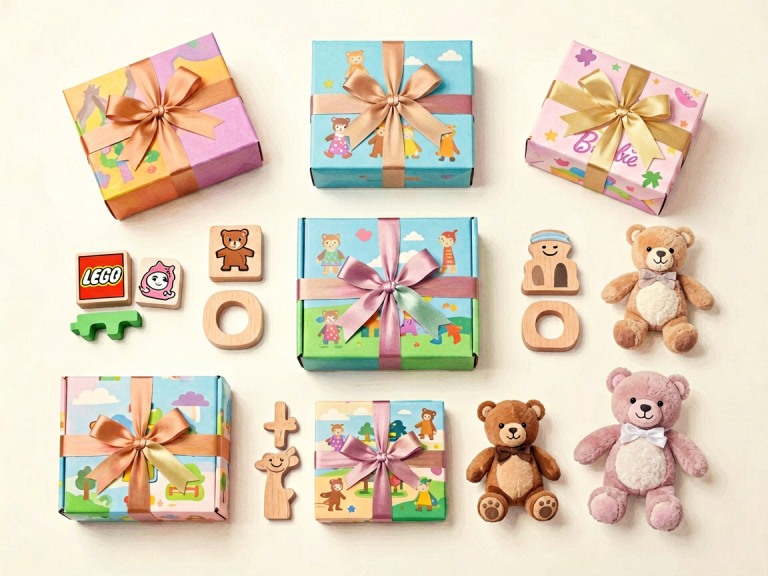
Think about the packaging. A beautifully wrapped gift adds to the excitement, but ensure it is easy to open. Avoid excessive tape or complicated knots that frustrate small hands. If the toy is large, you might wrap it in a large box or use a gift bag. Some families even wrap the toy in a reusable cloth or a tote bag that becomes a second gift.
Finally, consider the after-gift experience. Will the toy create mess (like play dough or confetti)? Have a plan for cleanup. Will it need storage? A thoughtful gift might include a storage bin or organizer. By thinking ahead, you ensure that the joy of the toy extends beyond the first ten minutes.
Conclusion
A successful holiday toy-giving season is not about how much you spend or how many presents pile up under the tree. It is about the sparkle in a child’s eye when they unwrap something that truly speaks to them—and the peace of mind you feel knowing you made a wise, safe, and loving choice. With this eight-step holiday toy planning checklist, you can navigate the season with clarity and purpose. Set your budget, match the toy to the child’s age and interests, prioritize safety and quality, lean into educational value, choose sustainably, plan your timeline, and prepare the presentation. Each step builds on the next, creating a foundation for gifts that are cherished not just on the day, but for months and years to come. So take a deep breath, grab your checklist, and enjoy the process. The holidays are about giving—and with the right plan, you give the best gift of all: your thoughtfulness and care.