The Power of Play: How Kindergarten Learning Toys Shape a Preschooler’s Future
Introduction
The preschool years are a magical window of rapid brain development, curiosity, and foundational skill-building. During this stage, children aged three to five are like sponges, absorbing information from every interaction, every game, and every object they touch. This is precisely why kindergarten learning toys for preschoolers are far more than just colorful distractions. They are carefully designed tools that transform play into purposeful learning. From stacking blocks to alphabet puzzles, these toys help children develop cognitive abilities, fine motor skills, social competence, and emotional resilience. In a world increasingly focused on early academic readiness, understanding how to choose and use effective learning toys can make a profound difference in a child’s developmental journey. This article delves into the importance, types, benefits, and selection criteria of kindergarten learning toys, offering a comprehensive guide for parents, educators, and caregivers.
The Educational Value of Play-Based Learning
Kindergarten learning toys are built on the principle that children learn best when they are actively engaged and having fun. Unlike passive screen time or rote memorization, play-based learning using physical toys stimulates multiple senses and encourages hands-on exploration. Research in early childhood education consistently shows that playful interactions with manipulative objects strengthen neural connections, especially in areas related to problem-solving, language, and spatial reasoning. For instance, when a preschooler builds a tower with wooden blocks, they are not merely stacking; they are experimenting with gravity, balance, symmetry, and cause-and-effect. Similarly, a simple shape sorter teaches classification, persistence, and hand-eye coordination. The best kindergarten learning toys are those that are open-ended, allowing children to use them in multiple ways, thus fostering creativity and critical thinking. Moreover, these toys often incorporate elements of storytelling, numbers, letters, and science in a natural, pressure-free environment, which reduces anxiety and increases intrinsic motivation to learn.
Cognitive Development Through Kindergarten Learning Toys
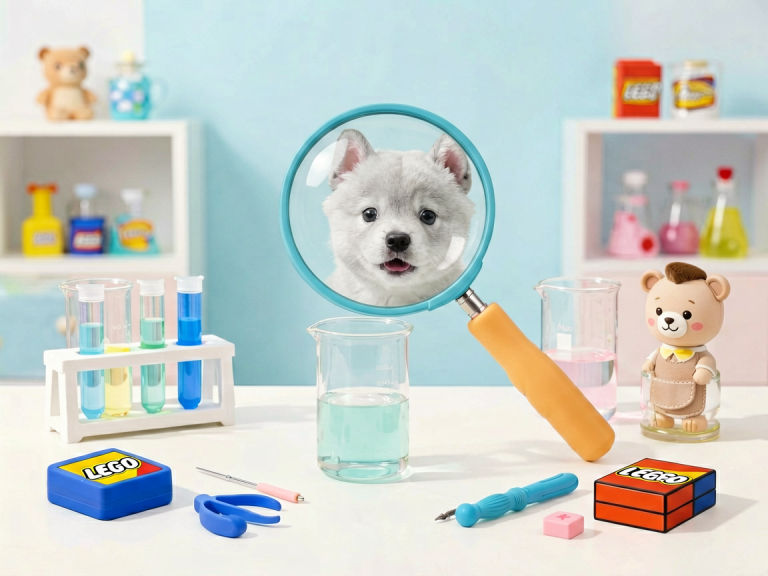
One of the primary goals of early education is to build a strong cognitive foundation, and learning toys are invaluable in this regard. Toys that focus on numbers, letters, patterns, and memory help preschoolers develop pre-literacy and pre-math skills. For example, magnetic alphabet letters allow children to visually and tactically explore the shapes and sounds of letters, often leading to early reading readiness. Number puzzles and counting bears teach one-to-one correspondence, addition, and subtraction in a concrete way. Additionally, toys like memory card games or matching sets improve short-term recall and attention span. More complex toys, such as beginner jigsaw puzzles with 12 to 24 pieces, enhance logical thinking and the ability to recognize patterns and relationships. Science-oriented toys—like simple magnifying glasses, magnet sets, or color-mixing labs—ignite curiosity about the natural world and encourage hypothesis testing. Importantly, these cognitive benefits are achieved without formal instruction; the child directs their own learning through trial, error, and repetition, which deepens understanding and retention.
Social and Emotional Growth Through Cooperative Play
Kindergarten is not only about academics; it is also a child’s first major experience in a social community. Learning toys that are designed for two or more players—such as board games, building sets, or pretend-play kits—become vehicles for developing crucial social and emotional skills. When preschoolers share blocks, take turns in a memory game, or negotiate roles in a pretend grocery store, they practice cooperation, patience, empathy, and conflict resolution. These interactions teach them to read facial expressions, understand others’ perspectives, and manage frustration when they do not win or when their block tower falls. Furthermore, toys that encourage role-playing—like doctor kits, kitchen sets, or tool benches—allow children to act out real-life scenarios, thereby processing emotions and developing language for feelings. A child playing “teacher” with their stuffed animals learns to lead and care for others, while a child playing “firefighter” builds confidence and a sense of responsibility. Emotional regulation is also nurtured through calm-down toys like sensory bins or stress balls, which help preschoolers self-soothe when overwhelmed. In summary, kindergarten learning toys that incorporate social interaction lay the groundwork for empathy, self-control, and collaborative problem-solving—skills that are as important as academic knowledge.
Fine and Gross Motor Skill Enhancement
Physical development is a key component of kindergarten readiness, and learning toys play a dual role in refining both fine and gross motor skills. Fine motor skills—the small muscle movements in hands and fingers—are essential for writing, cutting, buttoning, and other daily tasks. Toys such as lacing beads, playdough, pegboards, and safety scissors strengthen the hand muscles and improve dexterity. Building with LEGO Duplo or interlocking plastic bricks requires precise finger placement and hand-eye coordination. Even simple activities like threading pasta onto a string or using a tweezer to pick up pom-poms are excellent preparatory exercises for holding a pencil. On the other hand, gross motor skills—involving large muscle groups—are supported by toys that encourage movement. Ride-on cars, balance bikes, large balls, and tunnels promote coordination, balance, and spatial awareness. Many kindergarten learning toys cleverly combine multiple skill areas; for example, a hopscotch mat that also has numbers and colors integrates gross motor movement with number recognition. Investing in a variety of motor-skill toys ensures that preschoolers develop the physical confidence they need for playground activities, classroom tasks, and overall health.
Choosing the Right Kindergarten Learning Toys
With countless products on the market, selecting the most effective kindergarten learning toys can feel overwhelming. However, a few guiding principles can simplify the process. First, consider the child’s current developmental stage and interests. A three-year-old might benefit from simple shape sorters and sensory toys, while a five-year-old may be ready for more complex puzzles or early coding games like a simple robot toy that follows colored arrows. Second, prioritize open-ended toys—those that can be used in many ways over time—over single-purpose gadgets. Wooden blocks, magnetic tiles, art supplies, and pretend-play sets offer years of varied use and encourage creativity. Third, look for toys that are safe, durable, and free of small parts that could pose choking hazards. Check for non-toxic materials, rounded edges, and sturdy construction. Fourth, avoid toys that do too much of the “work” for the child—for instance, electronic toys that light up and talk automatically may actually reduce active engagement. The best learning toys require the child to think, manipulate, and experiment. Finally, remember that less is often more. A small, thoughtfully selected collection of high-quality toys is far more beneficial than a closet full of passive or distracting items. Rotating toys every few weeks can also keep interest high without overstimulation.
Integrating Learning Toys into Daily Routines
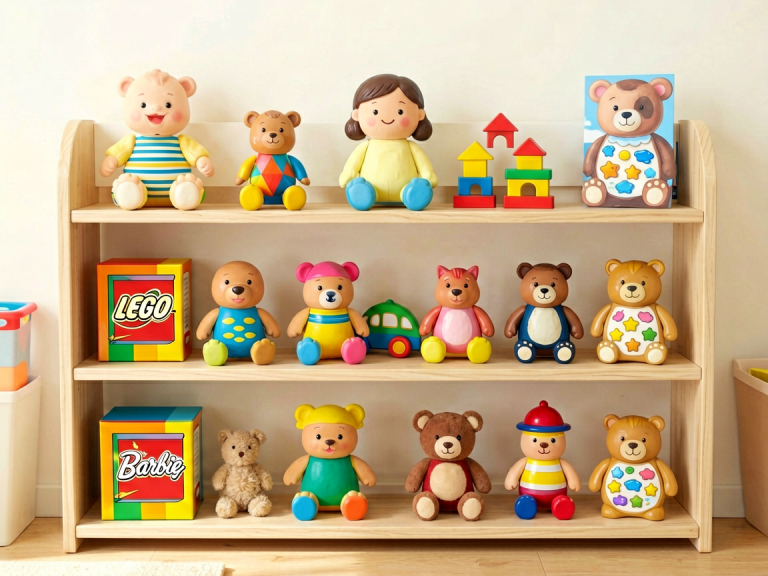
Having the right toys is only half the equation; how they are used matters greatly. Parents and educators can maximize the learning potential by integrating toys into daily routines. For example, during mealtime, a child can use counting bears to set the table (“We need four plates and four bears”). During bath time, waterproof alphabet letters can turn washing into a letter-recognition game. Car rides can be enriched with audio-based learning toys or simple travel-size puzzles. It is also crucial to allow plenty of unstructured free play. While guided activities have their place, preschoolers learn deeply when they are free to experiment without adult interference. A block tower that falls “wrong” teaches resilience and engineering, and a pretend kitchen where the “chef” makes a mess teaches creativity and problem-solving. Caregivers should resist the urge to constantly correct or direct the play; instead, they can ask open-ended questions like “What happens if you put this piece here?” or “What do you think the bear wants to eat?” This approach not only reinforces learning but also strengthens the child-adult bond. Additionally, limit screen time and ensure that learning toys are readily accessible—within reach on low shelves—so that children can independently choose what to explore.
Conclusion
Kindergarten learning toys for preschoolers are far more than mere playthings; they are the building blocks of a child’s future. From cognitive growth and social skills to motor development and emotional intelligence, these toys provide a rich, multi-sensory environment where learning happens naturally and joyfully. By understanding the educational value behind each toy, caregivers can make informed choices that support a child’s holistic development. The key is to select toys that are age-appropriate, open-ended, and engaging, and to allow children the freedom to explore. In a fast-paced world that often prioritizes academic pressure, the simple act of playing with thoughtfully chosen toys remains one of the most powerful gifts we can give to a preschooler. It is through play that they discover the world, and more importantly, discover themselves.