The Power of Pretend: Creative Play Activities for 6-Year-Old Boys
Introduction: Why Pretend Play Matters for 6-Year-Old Boys
At age six, boys are in a remarkable phase of development. Their imaginations are vibrant, their language skills are blossoming, and their need for physical activity is high. Pretend play—also called dramatic play or imaginative play—is not just fun; it is a crucial vehicle for cognitive, social, emotional, and physical growth. For six-year-old boys, pretend play allows them to experiment with different roles, practice problem-solving, negotiate with peers, and express emotions in a safe, controlled environment. It also helps them develop empathy, creativity, and executive function skills such as planning and self-regulation.
However, many parents and educators wonder what specific pretend play activities are most engaging for boys of this age. While every child is unique, six-year-old boys often gravitate toward themes involving action, adventure, heroism, construction, and exploration. This article presents a comprehensive guide to pretend play activities tailored for six-year-old boys, each complete with setup ideas, materials, learning outcomes, and tips for adult facilitators. These activities can be done at home, in preschool settings, or during playdates. They require minimal cost and maximum imagination.
—
1. Superhero Training Academy
Six-year-old boys love superheroes. Whether they are inspired by classic comic characters or original creations, superhero pretend play allows them to explore themes of justice, courage, and physical prowess. To set up a Superhero Training Academy, designate a corner of the room or backyard as the “headquarters.” Use pillows, blankets, and cardboard boxes to create obstacles, tunnels, and “buildings to rescue.” A simple cape made from an old T‑shirt or towel instantly transforms a boy into a hero.
Activities within the academy:
- Obstacle course challenge: Boys must crawl under tables, jump over cushions, and balance on a line of tape to prove their agility.
- “Rescue mission”: Place stuffed animals in “danger” (on a chair or behind a curtain) and have the superheroes save them using problem-solving and teamwork.
- Superpower creation: Each boy invents a unique superpower (e.g., “invisibility,” “super speed,” or “weather control”) and acts it out. This encourages creative storytelling.
- Villain confrontation: Use a friendly adult or another child as a “villain” who speaks in a funny voice. The superheroes must use words and negotiation to resolve the conflict, not just physical force.
Skills developed: gross motor coordination, problem-solving, narrative language, cooperation, and emotional regulation (dealing with obstacles and setbacks).
—
2. Construction Zone: Builders and Engineers
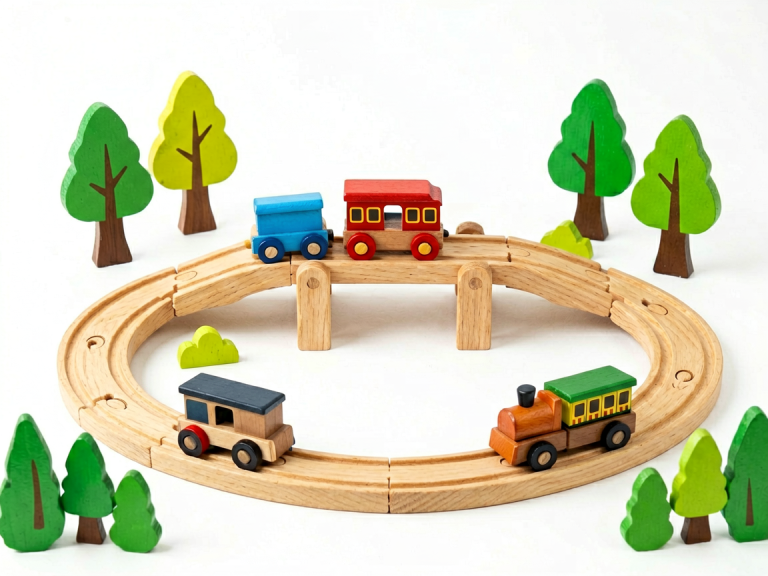
Many six-year-old boys are fascinated by big machines, building, and creating. A construction site pretend play activity taps into their natural desire to manipulate materials and see tangible results. Use large cardboard boxes, wooden blocks, plastic pipes, toy trucks, and safety vests (or hard hats from paper). Lay out a “construction site” on the floor or in a sandbox.
Activity ideas:
- Blueprint design: Give each boy a piece of paper and a pencil. Ask them to draw a “blueprint” of a building, bridge, or castle. Then they have to build it using blocks or boxes. This introduces basic planning and engineering concepts.
- Load and haul: Use toy dump trucks and wheelbarrows to move “materials” (small blocks, pebbles, or pom‑poms) from one location to another. Boys can take turns being the “foreman” who gives instructions.
- Demolition crew: After building a structure, pretend it needs to be demolished for new construction. Use child‑safe plastic hammers or just hands to knock it down. This provides a satisfying sensory and physical release.
- Worker role‑play: Boys can adopt roles such as crane operator, architect, electrician, or safety inspector. They practice vocabulary related to tools and buildings.
Skills developed: fine motor control, spatial reasoning, cooperation, following multi‑step directions, and early math (counting blocks, measuring).
—
3. Space Exploration: Astronauts and Aliens
Space is a limitless frontier for a six‑year‑old’s imagination. A space mission pretend play can last for hours. Create a “spaceship” using chairs, blankets, and cardboard. Place a large box as the control panel with drawn buttons. Use flashlights as laser beams or star projectors. Dress up in old tinfoil hats or simple astronaut costumes (white shirts, blue pants).
Engaging activities:
- Mission briefing: The “captain” (a child) explains the mission: “We are going to the moon to find a lost robot!” This promotes leadership and verbal skills.
- Zero‑gravity movement: Boys pretend there is no gravity by bouncing slowly or floating around. This is both physical and humorous.
- Alien encounter: Create simple “alien” puppets from socks or paper bags. Boys must decide whether the alien is friendly or dangerous, then communicate using gestures and invented language. This builds social cognition and empathy.
- Planet research: Using a cardboard box as a “landing vehicle,” each boy can explore a different pretend planet (e.g., a “red planet” with play‑doh rocks, or a “blue planet” with water beads). They collect “samples” (e.g., buttons, marbles) and bring them back to the ship for “analysis.”
Skills developed: creativity, vocabulary (space terms), collaborative problem‑solving, balance and body awareness, and scientific reasoning (cause and effect).
—
4. Pirate Adventure: Treasure Hunting on the High Seas
Pirates are a perennial favorite for active boys. This pretend play activity combines storytelling, physical movement, and a treasure hunt. Designate an area as the “ship” (a rug, a bed, or a large cardboard box). Make pirate hats from newspaper, eye patches from fabric, and a cardboard sword or telescope. Hide a “treasure” (a box with shiny objects, stickers, or small toys) somewhere in the room or yard.
Steps for the adventure:
- Map drawing: Together, draw a simple treasure map with X marks the spot. Use words like “palm tree,” “cave,” and “rocky shore.” This helps with pre‑literacy and directions.
- Walk the plank: Set up a low beam or a line of masking tape. Boys must walk across without falling into the “shark‑filled water.” This improves balance and confidence.
- Sea shanties: Sing silly pirate songs or make up rhymes. Music and rhythm enhance memory and language.
- Cannon battle: Use soft balls or rolled‑up socks to throw at “enemy ships” (pillows or boxes). This is a safe way to express aggression and practice aim.
- Discover the treasure: When they find it, the group must decide how to divide the loot fairly. This is an excellent lesson in sharing and negotiation.
Skills developed: gross motor skills (walking, throwing), literacy (map reading, writing), social skills (turn‑taking, conflict resolution), and emotional regulation (dealing with the suspense of the hunt).
—
5. Animal Kingdom: Lions, Dinosaurs, and Forest Rangers
Many six‑year‑old boys are deeply interested in animals, especially dinosaurs, big cats, and wild creatures. Animal pretend play encourages them to move like animals, learn about habitats, and develop empathy for living beings. Use simple costumes: brown or green clothes, paper masks, tail made from a scarf, or cardboard dinosaur spikes attached to a belt.
Activities:
- Safari guide: One boy plays the guide, using a stick as a walking stick and a pair of binoculars (toilet paper rolls). He leads the group on a “safari” through the house or garden, spotting “wild animals” (stuffed toys or drawn pictures hidden in bushes).
- Dinosaur egg hunt: Hide plastic eggs or small rocks. Boys pretend to be paleontologists discovering dinosaur eggs. They can then “hatch” them by cracking them open (with paper or play‑doh).
- Animal rescue: Pretend a baby animal is stuck in a tree or a cave. The boys work together to rescue it using a “stretcher” (a towel) or a “ladder” (a broom). This fosters teamwork and empathy.
- Migrate like birds: Lay down pillows as “islands.” Boys must hop from one to another without touching the “ocean” (carpet). This is a fun physical challenge.
Skills developed: gross motor imitation, scientific vocabulary, cooperation, caring for others, and physical endurance.
—
6. Knight and Castle: Medieval Adventures
For boys who enjoy stories of bravery, castles, and dragons, a knight‑themed pretend play offers rich possibilities. Build a castle from cardboard boxes, with a drawbridge made from a piece of cardboard and a moat drawn with chalk on the floor. Use a large cardboard tube as a sword, a paper plate as a shield, and a paper crown for the king.
How to play:
- Knight training: Before the quest, boys must complete training stations: “sword skills” (balancing a paper sword on their palm), “shield defense” (blocking soft balls), and “horseback riding” (galloping on a broomstick). This builds self‑discipline.
- Dragon taming: Create a friendly dragon puppet from a paper bag. The knights must approach the dragon peacefully, using words to calm it. This teaches non‑violent conflict resolution.
- Castle siege: Use pillows as “stones” to defend the castle, or balls to attack. Set a timer for short rounds. This provides active play with clear rules.
- Feast: At the end, pretend to have a medieval feast with plastic goblets, napkins, and “roasted chicken” (a toy chicken or a bread roll). Talk about the food using fancy vocabulary.
Skills developed: gross and fine motor control, impulse control (waiting turns), narrative building, and cultural awareness (history concepts).
—
Conclusion: Guiding Without Over‑Directing
Pretend play for six‑year‑old boys thrives when adults provide a rich environment but step back to let the children lead. The activities described above are not rigid scripts; they are springboards. A pirate ship might become a spaceship; a knight might morph into a superhero. That flexibility is the magic of pretend play.
For parents and educators, the key is to observe and occasionally introduce new props or conflicts that extend the play. For example, if boys are building with blocks, you might say, “I wonder if a giant wind is coming—what will you do?” This prompts problem‑solving without taking over.
Remember that six-year-old boys often need physical outlets. Incorporate running, jumping, climbing, and loud noises into pretend play whenever safe. Also, be aware that some boys may prefer quieter, more narrative play. Always follow the child’s lead.
Ultimately, pretend play activities for six-year-old boys are not just entertainment; they are the foundation for lifelong skills. Through superheroes, construction workers, astronauts, pirates, animals, and knights, boys explore who they are and who they might become. They learn to collaborate, negotiate, imagine, and persist. So gather some cardboard, old clothes, and a sense of adventure—and watch a six‑year‑old boy’s world expand.