Smart Holiday Toy Planning: A Parent’s Guide to Joyful, Stress-Free Gifting
Introduction
The holiday season is a magical time for children, but for parents, it often brings the daunting task of toy shopping. Between endless advertisements, persuasive wish lists, and the pressure to create a perfect morning under the tree, it’s easy to overspend, overbuy, and end up with toys that are quickly forgotten. Smart holiday toy planning isn’t about saying “no” to fun—it’s about saying “yes” to meaningful choices. By approaching toy selection with intention, you can save money, reduce clutter, and foster deeper joy and learning for your children. This guide offers practical tips to help you navigate the holiday toy landscape with confidence, ensuring that every gift you give serves a purpose and brings lasting delight.
—
1. Start Early and Set a Budget
The single most effective step in holiday toy planning is beginning early—preferably by late October or early November. Early planning allows you to avoid last-minute panic shopping, which often leads to impulse buys and overspending. Begin by reviewing last year’s gifts: which toys are still played with? Which were abandoned after a week? This reflection helps you identify what truly engages your child.
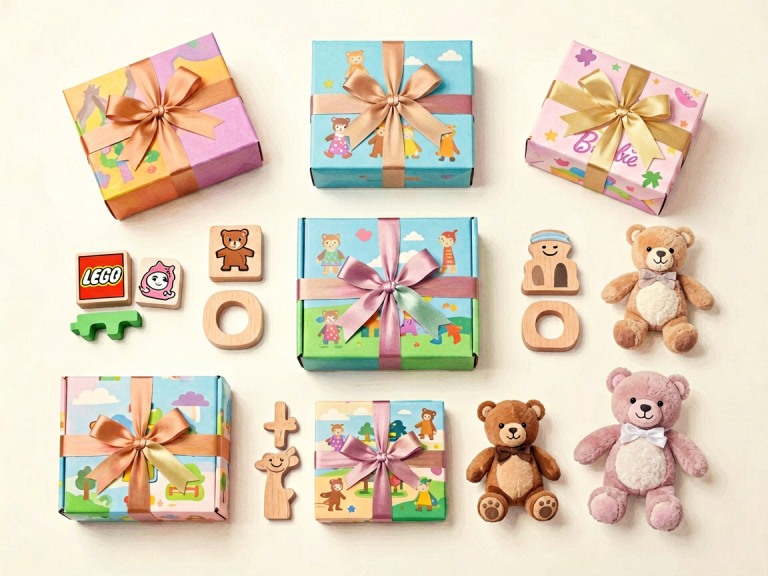
Create a realistic budget before you browse any store or website. Divide your total toy budget into categories: one main gift, two to three smaller items, and perhaps one “experience” gift (like a zoo membership or art class). Stick to this plan using a simple spreadsheet or a notes app. Remember that children often value the number of presents over their value—a few thoughtful gifts wrapped in creative ways can feel more special than a mountain of plastic.
Also factor in hidden costs: batteries, assembly tools, storage containers, or replacement parts. A toy that requires expensive accessories might not be the bargain it seems. By starting early and budgeting carefully, you eliminate financial stress and leave room for spontaneity—like grabbing a small book or craft kit that perfectly complements the main gift.
—
2. Know Your Child’s Interests and Developmental Stage
One of the biggest mistakes parents make is buying toys based on nostalgia, trends, or “shoulds” rather than their child’s actual passions. A five-year-old who loves building and problem-solving will adore a magnetic tile set, even if it’s not the hottest video game of the season. Observe your child at play: what do they gravitate toward during free time? Do they prefer solitary activities, group games, imaginative role-play, or physical movement?
Age recommendations on toy packaging are helpful, but they are only a starting point. A four-year-old with advanced fine motor skills might enjoy a craft kit labeled for ages 5+, while a six-year-old who gets overwhelmed easily may need simpler puzzles. Choose toys that match your child’s current abilities but also offer a slight challenge—this is the “Goldilocks zone” that promotes growth without frustration.
Don’t forget to consider your child’s temperament. A highly active child may thrive with a mini trampoline or a balance bike, while a quiet, observant child might prefer a bird-watching kit or a set of character figurines. Respecting their individuality builds their confidence and makes the gift truly personal. Keep a running list throughout the year of their offhand comments—“I wish I had a real magnifying glass” or “why doesn’t this doll have a castle?”—and use these clues to guide your holiday shopping.
—
3. Prioritize Educational and Open-Ended Toys
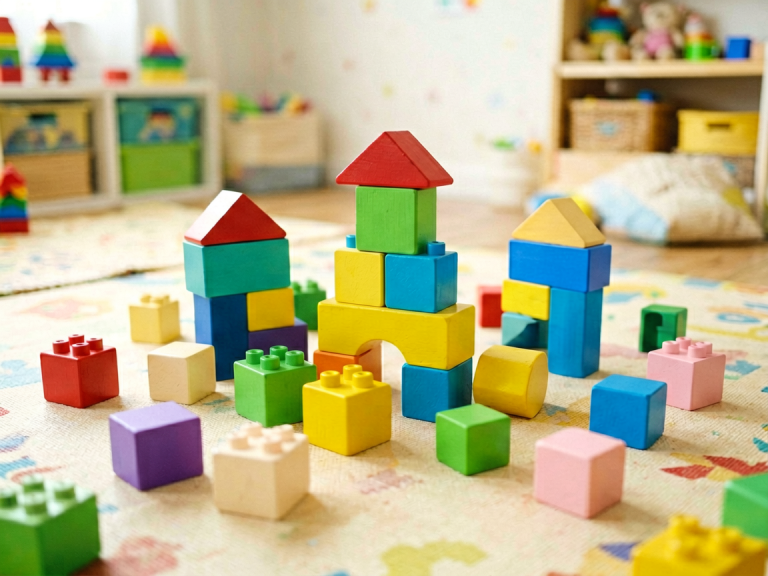
Educational toys don’t have to be boring. In fact, the best “learning” toys are the ones that don’t look like lessons at all. Look for open-ended toys—items that can be used in multiple ways, encouraging creativity and problem-solving. Classic examples include wooden blocks, LEGO bricks, play dough, art supplies, dress-up costumes, and magnetic tiles. These toys grow with the child and rarely lose their appeal because there is no single “right” way to play.
Open-ended toys also foster important executive function skills like planning, flexibility, and self-regulation. A child building a fort with blankets and pillows is learning physics, geometry, and cooperation—far more than they would from a battery-operated singing robot that only does one thing. Similarly, board games teach turn-taking, counting, and emotional resilience when losing.
STEM (Science, Technology, Engineering, Math) toys are popular, but choose those that encourage hands-on experimentation rather than passive screen time. A coding robot that requires programming is great for older kids; for younger ones, a simple marble run or a kid-friendly microscope can spark lifelong curiosity. Remember: the best educational toy is one that the child wants to use repeatedly. If it sits on a shelf, it’s not teaching anything. Always ask yourself: “Will this toy invite my child to explore, create, or imagine?” If the answer is yes, it’s a winner.
—
4. Consider Safety, Quality, and Sustainability
Safety should never be an afterthought, especially for children under three who still mouth objects. Check for small parts, sharp edges, and long cords that could pose choking or strangulation hazards. Look for ASTM (American Society for Testing and Materials) certification or the CE mark in Europe. Avoid cheap toys made from phthalate-laden plastics or with toxic paints—stick to reputable brands or certified non-toxic materials like solid wood, organic cotton, and food-grade silicone.
Quality matters not just for safety but for longevity. A well-made wooden train set can be handed down to siblings and last for decades, while a flimsy plastic version may break within weeks. Higher upfront cost often pays off in the long run because you won’t be replacing broken toys mid-year. Consider buying secondhand—many gently used toys are just as good as new, and thrift stores, online marketplaces, and community swaps are treasure troves for budget-conscious parents.
Sustainability is another factor that’s increasingly important. Toys made from recycled materials, biodegradable packaging, or local craftsmanship reduce environmental impact. Teach your children the value of caring for their things by choosing durable items and encouraging them to repair rather than discard. At the end of the holiday season, involve them in sorting through old toys to donate or pass along—this builds empathy and reduces clutter before the next wave arrives.
—
5. Manage Expectations and Avoid Overindulgence
The holiday season can create an atmosphere of endless “wants,” especially with friends, media, and marketing all amplifying desire. As a parent, you have the power to set boundaries that actually make the holidays more joyful. One effective strategy is the “something they want, something they need, something to wear, something to read” framework. This balances excitement with practicality and ensures a thoughtful mix.
Talk to your child openly about the budget—age appropriately. Explain that you choose gifts that you know they’ll love and use, not just every single item on a list. This teaches financial literacy and gratitude. On gift-opening day, slow down the process: open one gift at a time, talk about it, and play with it briefly before moving on. This prevents the overwhelm of a present avalanche and helps children appreciate each gift.
Finally, remember that the best gifts are often the ones that can’t be wrapped: experiences shared together. Plan a family game night, a special baking session, or a trip to see holiday lights. These moments create memories long after a toy’s novelty wears off. By managing expectations—yours and your child’s—you can reclaim the true spirit of the season: connection, love, and wonder.
—
Conclusion
Holiday toy planning for parents doesn’t have to be a source of anxiety. With a bit of foresight, a clear budget, and a focus on your child’s genuine interests, you can transform gift-giving from a chaotic race into a meaningful ritual. Prioritize open-ended, safe, and sustainable toys that inspire creativity and learning. Most importantly, remember that the greatest gift you give your child is your presence, patience, and the thoughtful intention behind every choice. This holiday season, let the toys be tools for joy—not substitutes for it. Happy planning and happy holidays!