Smart Toy Budgeting: A Parent’s Guide to Financial Literacy and Joyful Play
Toys are more than just playthings—they are tools for learning, creativity, and bonding. Yet the pressure to buy the latest trend, the guilt of saying “no,” and the sheer volume of options can turn toy shopping into a stress-filled tug-of-war. The answer isn’t to buy less or to say “never,” but to plan wisely. Toy budget planning is a powerful practice that teaches children the value of money, reduces household financial strain, and transforms toy purchases from impulsive sprees into meaningful decisions. This article explores how parents can create, implement, and maintain an effective toy budget that serves the whole family.
Why Toy Budget Planning Matters
At first glance, a toy budget might seem like an exercise in restriction. In reality, it is an exercise in empowerment. When parents set clear financial boundaries around toys, several benefits emerge.
Financial stability is the most obvious. Without a plan, small purchases—a pack of trading cards here, a plastic dinosaur there—quietly add up. A $20 weekly toy habit translates to over $1,000 a year, money that could otherwise fund a family experience or a savings account. Budgeting prevents this silent drain.
Equally important is the educational value. Children who watch their parents allocate a specific amount for toys gain early exposure to scarcity, choice, and trade-offs. They learn that money is a limited resource, and that every purchase carries an opportunity cost. Over time, this builds a foundation for adult financial literacy.
Finally, budget planning reduces conflict. When a child asks for an expensive toy, the parent can calmly say, “Let’s check our toy budget and see if it fits,” rather than delivering a flat “no.” The budget becomes the neutral arbiter, depersonalizing the refusal and turning it into a data-driven conversation.
Setting Up a Realistic Toy Budget
The first step is to decide how much your family can and should spend on toys. This number will vary widely depending on income, family size, and local cost of living. A reasonable guideline is to allocate 1‑3% of your monthly disposable income to toys and entertainment for children. For a family with a $4,000 monthly disposable income, that means $40–$120 per month.
However, a blanket monthly figure can be too rigid. A better approach is to create three tiers of toy spending:
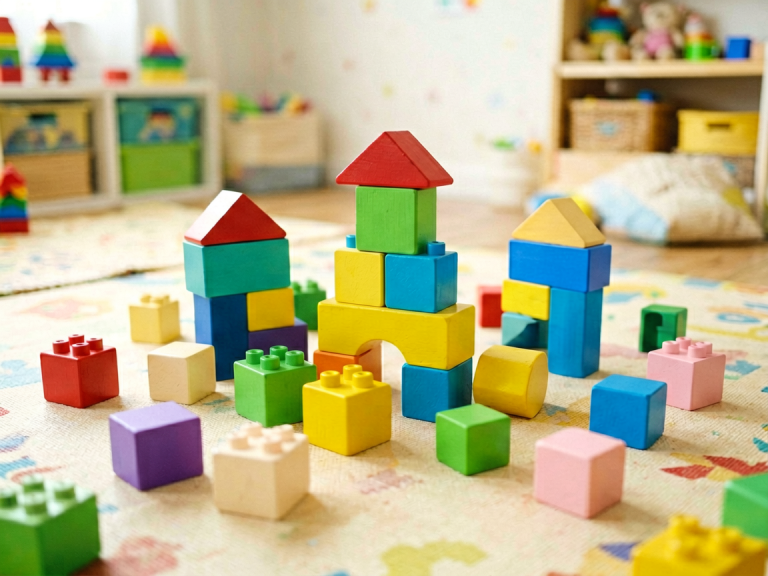
- Essential toys – items that support development (building blocks, art supplies, puzzles). These should be included in the regular household budget, similar to diapers or school supplies.
- Occasional treats – birthday presents, holiday gifts, or rewards for meeting major milestones. Set aside a separate “gift fund” for these.
- Impulse buys – the small, inexpensive items your child wants at the checkout counter or from a friend’s birthday party. Give yourself a small monthly “buffer” of $10–20 for these.
Write your budget down, share it with your partner if applicable, and review it quarterly. A budget that fits your real life is far more sustainable than one that aspires to perfection.
Involving Children in the Planning Process
The magic of toy budget planning happens when children become active participants. For children aged four and up, the concept of “a little money for toys” can be introduced in concrete terms.
Use visual tools. Give your child a clear jar or envelope labeled “Toy Money.” Each month, place the agreed-upon amount inside—in real coins and bills for younger kids, or on a simple chart for older ones. When the money is gone, it’s gone. This tangible system makes abstract budgeting tactile and memorable.
Practice “want” vs. “need” conversations. At the store, ask your child to hold the toy they want and then put it back on the shelf. “We have $15 left in the toy jar this month. This toy costs $12. If we buy it, we won’t have money for anything else until next month. Are you sure?” This simple prompt encourages critical thinking and delayed gratification.
Create a wishlist. Encourage your child to maintain a list of desired toys, ranked by preference. When the toy budget refills, they can check the list and choose one item. Over time, they will learn that the most-wanted toys are worth waiting for, while fleeting fads often drop off the list on their own.
Creative Strategies to Stretch the Toy Budget
A well-planned budget doesn’t mean depriving your child of fun. On the contrary, it can unlock more variety and longevity in play. Here are several strategies to maximize value without breaking the bank.
Embrace the second‑hand market. Thrift stores, online marketplaces, and community swap groups offer toys at a fraction of retail prices. Children often don’t care if a toy is used; what matters is how it works. Make toy‑hunting an adventure: “Let’s see if we can find a nearly new LEGO set for under $10.”
Implement a “one in, one out” rule. For every new toy that comes into the house, an old one must leave—either donated, sold, or recycled. This prevents clutter and teaches children that space and money are finite. It also makes each new acquisition feel more special.
Focus on open‑ended toys. Instead of buying a single‑purpose plastic gadget, invest in items that encourage creative play: wooden blocks, art supplies, costume pieces, or building sets. These toys rarely go out of style and can be used in countless ways, delivering more play‑time per dollar.
Use birthdays and holidays wisely. Rather than buying a mountain of cheap gifts, pool the budget for one high‑quality, enduring toy. Or consider experience‑based gifts—a trip to the zoo, a family baking session—which often create happier memories than anything plastic.
Handling Peer Pressure and Marketing Hype
Even with a solid budget, children will be bombarded by advertising, friends’ possessions, and the fear of missing out. Parents need a toolkit to handle these pressures without resorting to constant denial.
Teach media literacy. Explain to your child that ads and YouTube toy reviews are designed to make them want something. “Do you think that toy is as fun as the video shows, or do they edit it to look that way?” Asking questions makes children more critical consumers.
Normalize “not right now.” Use the budget as a neutral excuse: “That toy is $40, but our toy jar only has $20 this month. Let’s add it to your wishlist for next month.” This teaches patience without shaming the child’s desire.
Offset social pressure with family rituals. If a friend has a flashy new toy, create a family tradition like “Toy Show and Share” where your child can talk about a toy they love—whether new, old, or handmade. This shifts the focus from quantity to quality and creativity.
Be a role model. Children notice everything. If you routinely spend impulsively on non‑essentials, your budget lessons will ring hollow. Demonstrate your own budgeting for hobbies or personal items, and share your decisions aloud: “I want this new book, but I have to wait until next month because I spent my fun money on dinner out.”
Tracking and Adjusting the Budget Over Time
A toy budget is not a one‑time document; it’s a living tool that evolves as your child grows. Set a date—say, every three months—to review your toy spending and adjust the numbers.
Keep a simple record. Use a spreadsheet, a notebook, or an app to log every toy purchase. Categorize them (birthday, reward, impulse, educational). After three months, you might notice that 60% of toys are impulse buys. That insight can help you tighten the impulse buffer or shift more funds toward a monthly “big wish” item.
Adjust for age and interests. A toddler may thrive with simple blocks and puzzles; a pre‑teen may want board games, sports equipment, or digital content. Update the budget categories to reflect these shifts. For example, you might allocate a separate digital‑content allowance for in‑app purchases or game subscriptions, with strict rules.
Celebrate successes. When your family stays on budget for a full quarter, treat yourselves to a non‑toy reward—a movie night, a picnic, or a board‑game marathon. This positive reinforcement makes budgeting feel like a team achievement rather than a chore.
Final Thoughts
Toy budget planning is not about penny‑pinching or denying childhood joy. It is about aligning your spending with your values, teaching your children essential life skills, and transforming the way your family experiences play. When parents approach toy buying with intention, every purchase becomes a learning opportunity, every “no” a lesson in priorities, and every “yes” a celebration of choice. Start small—choose a monthly amount, explain it to your child, and watch your relationship with toys (and money) change for the better. The toys will come and go, but the habits of thoughtful spending will last a lifetime.