Mastering Toy Rotation: A Comprehensive Guide to Managing Your Childs Playthings
Toy rotation is a simple yet transformative strategy that many parents and early childhood educators swear by. Instead of leaving all toys available at once, you cycle through a curated selection, keeping the rest stored away. This method not only reduces clutter and sensory overload but also deepens a child's engagement, creativity, and appreciation for what they have. Yet, the idea of managing a constant cycle of toys can feel overwhelming—especially when you already juggle a dozen other parenting responsibilities. The good news is that with a clear system, toy rotation becomes almost effortless. Below, I will walk you through every step of the process, from understanding the psychological benefits to creating a rotation schedule that fits your family’s rhythm. By the end, you will have a robust, practical framework to transform playtime into a richer, calmer experience for both you and your child.
Understanding the Benefits of Toy Rotation
Before diving into logistics, it helps to appreciate *why* toy rotation works so well. Young children, especially toddlers and preschoolers, are still developing their ability to focus. When faced with a mountain of toys—action figures, puzzles, building blocks, stuffed animals, art supplies—their attention splinters. They might pick up a toy, drop it after ten seconds, and move to the next, never fully immersing themselves in any single activity. This “grazing” behavior is not laziness; it is a natural response to overstimulation. By limiting the number of toys available at one time, you create a play environment that encourages deeper concentration and imaginative play.
Research in child development supports this. A classic study by psychologists at the University of Toledo found that toddlers played more creatively and for longer periods when fewer toys were present. Additionally, toy rotation helps children learn gratitude and care. When toys disappear for a few weeks and then reappear, they seem new again, sparking fresh excitement. This cycle also reduces the constant “I want” mindset because children learn that toys are not always accessible—and that waiting is part of the fun. For parents, the benefit is equally tangible: a tidier home, fewer arguments over messes, and a clearer sense of which toys actually hold your child’s interest.
Step 1: Declutter and Categorize Your Toy Collection
The first and most critical step in managing toy rotation is to take stock of everything you own. You cannot rotate what you do not know exists. Set aside an afternoon—preferably when your child is occupied elsewhere—and gather every toy from every corner of the house. Dump them all onto a clean floor or a large table. This initial “toy audit” can feel shocking: you may realize you own far more than you thought, including broken pieces, forgotten hand-me-downs, and duplicates.
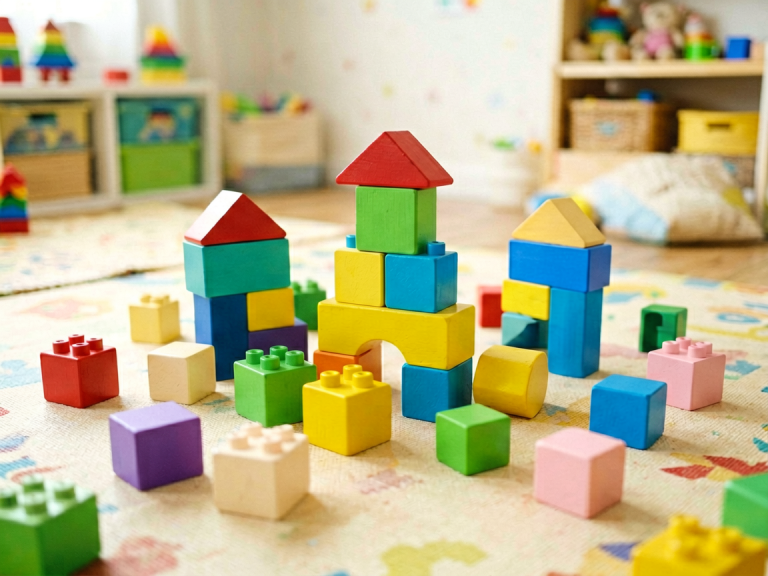
Now, sort the toys into broad categories. Common categories include: building and construction (blocks, LEGOs, magnetic tiles), pretend play (kitchen sets, dolls, costumes), fine motor (puzzles, lacing beads, playdough), gross motor (balls, tunnel, balance board), art and creativity (crayons, paper, stickers), musical instruments, and books (though books often follow a separate rotation). Within each category, ruthlessly cull. Toss anything broken beyond repair, donate items your child has outgrown, and set aside duplicates or toys that simply do not get played with. A good rule of thumb is to keep only what fits comfortably into one or two storage bins per category. The goal is not to deprive your child but to create a curated set that encourages meaningful play.
Step 2: Create a Rotation System That Works for Your Schedule
Once you have a tidy collection of high-quality toys, decide on a rotation rhythm. There is no one-size-fits-all schedule, but most families find success with a rotation every one to two weeks. For younger children (under 2), a weekly rotation may be best because their attention spans are shorter and novelty wears off quickly. For preschoolers and older kids, a bi-weekly or even monthly rotation can work well. You can also tie the rotation to a visual cue, like a new calendar month or a change in seasons.
The rotation system itself can be simple: divide your toys into three to five “sets” or “baskets.” For example, Set A might contain building blocks, a wooden train set, and two puzzles. Set B might have a play kitchen set, pretend food, and puppets. Set C could include art supplies, musical instruments, and a sensory bin. Label each set clearly (use numbered bins or color-coded stickers) and store the unused sets out of sight—in a closet, under a bed, or in the garage. When rotation day arrives, swap out the current set for the next one. That’s it. The key is consistency; even if you miss a day, just pick up where you left off.
Step 3: Set Up Efficient Storage and Display
A well-organized storage system is the backbone of toy rotation. You want your bins to be easy to access for swapping but also child-friendly for daily use. For the active set of toys, use low, open shelving or shallow baskets so your child can see and reach everything without your help. This promotes independence and choice. Avoid deep toy boxes where items get lost at the bottom. Instead, use clear plastic bins or fabric cubbies that allow visibility. For the stored sets, opaque bins or lidded boxes work better to keep toys out of sight (out of sight, out of mind is your ally here).
Labeling is crucial, especially if multiple caregivers help with the rotation. You can use simple word labels or even pictures for pre-readers. For example, stick a small photo of the toys on the outside of each bin so everyone knows what belongs where. This also makes it easy for your child to help put toys away—an excellent life skill. Also, consider a “rotation calendar” on your fridge or phone. Mark the day you plan to swap (e.g., every other Saturday), and set a reminder. Over time, this becomes a habit that requires almost no mental energy.
Step 4: Introduce the Rotation to Your Child
If your child is old enough to understand, explain the concept in positive terms. Avoid framing it as “we are taking toys away.” Instead, say something like, “We are going to play with special toys this week, and next week we will get to see new ones. It is like a toy surprise!” For very young children, you do not need to explain at all—just switch the toys while they sleep. When they wake up to a “new” play area, their natural curiosity will take over.
However, be prepared for a possible protest, especially if a favorite toy disappears. The solution is to include beloved items—like a favorite stuffed animal or a beloved truck—in every rotation. These “anchors” provide comfort and continuity. Over time, your child will learn that no toy is gone forever; it will return in a few weeks. This builds patience and reduces attachment anxiety. You can also involve your child in the rotation process as they grow older. Let them help choose which set to play with next or even help pack away the current set. This gives them a sense of control and ownership.
Step 5: Observe, Reflect, and Adjust
Toy rotation is not a static system; it should evolve with your child’s interests and development. Pay close attention to which toys your child gravitates toward during each rotation. Do they spend hours with the magnetic tiles, or do they ignore the puzzles completely? Use this information to refine your sets. If a toy consistently goes untouched for two or three rotations, consider donating it. Conversely, if a category is highly engaging, you might add more variations.
Also, adjust the frequency and complexity of rotations as your child grows. A one-year-old might need very simple, sensory toys changed every four days, while a four-year-old might enjoy a themed rotation (e.g., “ocean week” with boats, fish, and blue playdough). Don’t be afraid to mix things up—introduce a special toy from the “archive” unexpectedly, or swap out a single toy mid-week if your child seems bored. The goal is to keep play fresh without being rigid. Lastly, remember that toy rotation is not just for structured playtime. Include some open-ended items like scarves, cardboard boxes, or blankets that encourage imaginative play with no right or wrong way to use them.
Common Pitfalls to Avoid
Even with a great system, mistakes happen. Here are a few common pitfalls and how to sidestep them. First, do not over-rotate. Changing toys too frequently—say, every day—can actually increase anxiety and decrease attention. Children need time to explore deeply, so stick to weekly or bi-weekly intervals. Second, avoid giant sets. If you put out twenty toys at once, you defeat the purpose. Aim for no more than eight to twelve items per rotation (fewer for babies). Third, do not forget to rotate books, puzzles, and art materials, not just “big” toys. These often get left out but benefit just as much from the same treatment. Fourth, resist the urge to buy new toys constantly. Rotation helps you discover that your child already has plenty to enjoy; the novelty comes from the rotation itself, not from shopping. Finally, be patient. The first few rotations may feel clumsy, and your child might be confused or resistant. Give it at least two weeks for the system to become familiar.
Conclusion
Managing toy rotation is one of the most effective yet underused strategies for simplifying your home and enriching your child’s play. It requires an initial investment of time—the decluttering and setup—but after that, it becomes a low-effort, high-reward routine. By limiting the number of toys available, you foster deeper concentration, creativity, and gratitude. By rotating regularly, you keep play exciting without buying more stuff. And by involving your child in the process, you teach valuable lessons about organization, patience, and appreciation.
Start small. You do not need to overhaul everything in one weekend. Begin by decluttering one category—like building toys—and splitting them into two sets. Rotate those for a few weeks, then expand to other categories. Over time, you will develop a custom system that fits your child’s unique personality and your family’s lifestyle. The result is a calmer, more playful home where every toy truly shines, and every moment of play counts.