The Complete Parent Guide to Choosing Age-Appropriate Toys for Preschool Boys
Introduction
Every parent knows the joyful chaos that comes with a preschool-aged boy. At three to five years old, children are bursting with energy, curiosity, and a rapidly developing sense of independence. Choosing the right toys for this stage is not just about keeping them busy—it is about supporting their physical, cognitive, social, and emotional growth. However, with countless options lining store shelves and filling online catalogs, the decision can feel overwhelming. This guide is designed to help parents navigate the toy aisle with confidence. By understanding what is developmentally appropriate for preschool boys, you can select toys that are safe, engaging, and genuinely beneficial. Whether you are shopping for a birthday, a holiday, or just because, the principles outlined here will ensure that every playtime moment is a learning opportunity.
—
Understanding the Preschool Developmental Stage (Ages 3–5)
Before diving into specific toy recommendations, it is essential to grasp what is happening inside a preschool boy’s mind and body. During these years, children undergo remarkable transformations:
- Physical Development: Gross motor skills improve dramatically. Boys can run, jump, climb, and throw with increasing coordination. Fine motor skills also progress, allowing them to manipulate small objects, use scissors, and draw simple shapes.
- Cognitive Development: Preschoolers are natural problem-solvers. They begin to understand cause and effect, sort objects by color or size, and engage in pretend play. Their attention spans lengthen, though they still benefit from variety.
- Social and Emotional Development: This is the age of parallel play transitioning into cooperative play. Boys learn to share, take turns, and express emotions. They also start to develop empathy and a sense of right and wrong.
- Language Development: Vocabulary expands rapidly. Preschoolers can follow two- or three-step instructions and enjoy simple stories, songs, and rhyming games.
Keeping these milestones in mind will help you evaluate whether a toy challenges, supports, or simply entertains your child at the appropriate level.
—
Safety First: Non-Negotiable Guidelines for All Toys
Safety is the foundation of any toy choice. Preschool boys are curious and often rough with their belongings, so you must prioritize products that minimise risk. Look for the following:
- No Small Parts: Choking hazards are the top concern for children under three, but even four-year-olds can put small items in their mouths. Avoid toys with pieces smaller than a standard Ping-Pong ball unless they are securely attached.
- Non-Toxic Materials: Ensure paints, plastics, and fabrics are labelled BPA-free, lead-free, and phthalate-free. Wooden toys should have smooth finishes with no splinters.
- Sturdy Construction: Toys that break easily can create sharp edges or expose batteries. Check for seams that might come apart and for loose magnets, which are particularly dangerous if swallowed.
- Age Labels Are a Guideline, Not a Guarantee: While the manufacturer’s recommended age is helpful, use your own judgment. A highly active three-year-old may need a toy rated for four-year-olds to avoid frustration, while a cautious five-year-old might still enjoy simpler toys.
Always inspect toys regularly for signs of wear, and remove any that become damaged.
—
Toys That Build Gross Motor Skills
Preschool boys have an inexhaustible supply of energy. The best toys for gross motor development channel that energy into purposeful movement. These activities strengthen muscles, improve balance, and enhance coordination.
- Ride-On Toys and Tricycles: A sturdy tricycle or push bike allows boys to practice steering, pedalling, and stopping. Look for models with wide wheels and a low centre of gravity to reduce tipping.
- Balls of Various Sizes: From soft foam balls to slightly larger playground balls, throwing, catching, and kicking are fundamental skills. Start with large, soft balls and gradually introduce smaller ones as hand-eye coordination improves.
- Climbing Structures: Indoor or outdoor climbing frames, slides, and small ladders provide safe challenges. Ensure the structure is anchored properly and has a soft landing surface.
- Balance Beams and Stepping Stones: Simple low-to-the-ground beams or plastic stepping stones help boys practise equilibrium and jumping from one spot to another.
- Push and Pull Toys: Wagons, shopping carts, or animal-shaped pull toys encourage walking, running, and directional control.
Remember: outdoor play is not just for exercise—it also promotes risk assessment and spatial awareness.
—
Toys That Enhance Fine Motor Skills and Hand-Eye Coordination
Fine motor control is crucial for tasks like writing, buttoning clothes, and using utensils. The right toys make these exercises feel like fun rather than work.
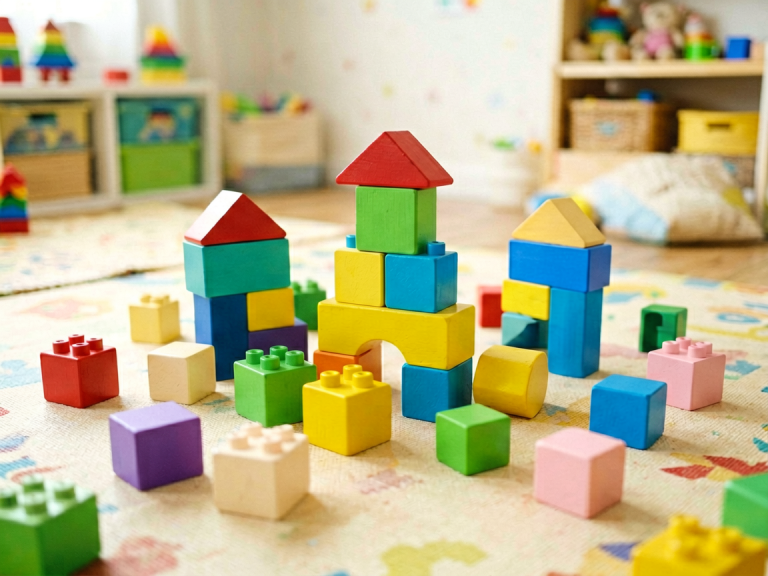
- Building Blocks and Construction Sets: Wooden blocks, Duplo, or larger LEGO sets help boys grasp, stack, and align pieces. They also teach concepts of balance, symmetry, and gravity.
- Puzzles with Large Pieces: Start with 4–12 piece puzzles featuring familiar characters or animals. The act of turning and fitting pieces strengthens finger muscles and visual-spatial reasoning.
- Lacing and Beading Toys: Large wooden beads and thick laces are excellent for threading. This activity requires concentration and precise pincer grip.
- Play Dough and Clay: Squishing, rolling, and cutting dough works the entire hand. Add simple tools like rolling pins and plastic knives to extend the play.
- Scissors and Safety Scissors: With supervision, preschoolers can learn to cut along lines. Look for blunt-tipped scissors that only cut paper.
Fine motor toys should never be overly frustrating. If your son struggles, offer help or choose a simpler version.
—
Toys That Foster Cognitive and Problem-Solving Skills
Preschool brains are like sponges, soaking up information about how the world works. Toys that encourage logical thinking, memory, and cause-and-effect reasoning are invaluable.
- Simple Board Games: Games like “Candy Land,” “Chutes and Ladders,” or memory card games teach turn-taking, counting, and following rules. They also introduce the concept of winning and losing gracefully.
- Shape Sorters and Nesting Toys: Classic shape sorters help with recognising geometry and spatial relationships. Nesting cups or blocks teach size ordering.
- Magnetic Drawing Boards or Etch A Sketches: These allow free-form exploration of shapes, letters, and numbers without the mess of paper and pens.
- Pattern Blocks and Matching Cards: Sets that require matching colours, shapes, or patterns boost visual discrimination and early math skills.
- Simple Science Kits: Water play, magnetic wands, or basic magnifying glasses introduce early scientific thinking. For example, a sink-and-float activity with plastic toys teaches buoyancy.
The key is to choose toys that offer multiple ways to play so that a boy can revisit them at different skill levels.
—
Toys That Support Social and Emotional Growth
Preschool boys are learning how to navigate relationships and manage their feelings. Toys that encourage pretend play, cooperation, and emotional expression are especially valuable.
- Dress-Up Costumes and Props: Hats, capes, tool belts, and doctor kits allow boys to role-play different personas. This helps them explore emotions, practice empathy, and understand social roles.
- Playsets (Kitchen, Workshop, Farm): Miniature environments like a play kitchen or a garage with cars encourage narrative creation. Boys can imitate adult behaviour, solve pretend problems, and negotiate roles with playmates.
- Puppets and Stuffed Animals: Using puppets to act out stories helps boys verbalise feelings they may not yet have words for. A teddy bear can be a safe confidant for a child learning to cope with anger or sadness.
- Cooperative Games: Unlike competitive games, cooperative ones (where everyone works together to achieve a goal) teach teamwork. Examples include “Hoot Owl Hoot!” or “The Sneaky, Snacky Squirrel Game.”
- Books about Emotions: While not a toy per se, picture books that discuss feelings (like “The Way I Feel” by Janan Cain) can be paired with plush toys to reinforce lessons.
Remember that boys are often socialised to suppress emotions. Toys that validate and express feelings are just as important as those that build muscles.
—
Toys That Spark Creativity and Imagination
Imaginative play is the hallmark of the preschool years. It is through make-believe that children process their experiences, experiment with language, and develop flexible thinking.
- Open-Ended Building Sets: Magnetic tiles, wooden planks, or interlocking gears allow a boy to create anything he imagines—a castle, a rocket, a bridge. There is no single “right” way to play.
- Art Supplies: Crayons, washable markers, finger paints, sidewalk chalk, and Play-Doh are essentials. Avoid colouring books that dictate exactly what to draw; instead, provide blank paper and let him lead.
- Musical Instruments: Small drums, xylophones, shakers, and maracas introduce rhythm and sound exploration. Making music boosts both creativity and self-confidence.
- Transportation Toys: Trains, cars, trucks, and aeroplanes are perennial favourites. Add tracks or ramps to turn a simple car into a physics experiment.
- Nature Exploration Kits: A bucket, a magnifying glass, and a simple bug catcher invite outdoor creativity. Collecting leaves, rocks, or sticks can become the basis for a whole afternoon of storytelling.
Creativity toys often look “messy,” but the unstructured play they enable is exactly what a preschooler’s brain needs.
—
Avoiding Common Pitfalls When Choosing Toys
Even well-intentioned parents can make mistakes. Here are a few traps to sidestep:
- The “Electronic Baby-Sitter” Trap: Screens and battery-powered toys that do all the work (e.g., talking dolls that repeat phrases) limit active engagement. A toy that requires the child to push a button to hear a sound is far inferior to one where the child must build, sort, or imagine. Reserve electronic toys for occasional use.
- Overly Complex Toys: A toy that is too advanced will frustrate a preschooler and collect dust. Always check the recommended age, but also observe your child’s current abilities. If he cannot even figure out the basic mechanism, save it for later.
- Gender Stereotypes: While this guide focuses on boys, remember that any child can enjoy any toy. Avoid forcing “boyish” toys if your preschooler shows interest in dolls, kitchen sets, or art. Limiting choices based on gender can stunt development.
- Quantity over Quality: A room full of cheap, flimsy toys overwhelms a child and discourages deep play. Instead, invest in a smaller number of high-quality, versatile items that can be used in many ways.
- Ignoring Your Child’s Interests: A boy obsessed with dinosaurs will learn more from a dinosaur puzzle and action figures than from a generic building set. Pay attention to what excites him and lean into that passion.
—
Practical Tips for Parents: Making the Final Decision
To wrap up, here are actionable steps you can take the next time you need to choose a toy:
- Observe First: Spend a few minutes watching your child at play. What does he gravitate toward? Does he prefer active or quiet play? Solo or cooperative?
- Read Labels Carefully: Look beyond the age. Note the material, size, and care instructions. Avoid anything that seems fragile or has detachable parts you wouldn’t trust.
- Check for Reviews: Online reviews from other parents can reveal whether a toy holds up over time, if it is easy to clean, and if it truly engages children.
- Consider Storage: Some toys come with many pieces. Do you have a storage system for them? If not, choose items that are easy to pack away or that come in a bag.
- Think Long-Term: The best toys are those that grow with the child. For example, a set of wooden blocks can be used for stacking at age three and for building complex structures at age six.
- Involve Your Son (Safely): If appropriate, let him browse a catalogue or visit a store with you. Giving him a choice within your curated options empowers him and ensures he will be excited to play.
—
Conclusion
Choosing age-appropriate toys for preschool boys is an act of love and intention. The right toy does more than fill an afternoon—it builds confidence, teaches patience, colours imagination, and strengthens the bond between parent and child. By focusing on safety, developmental milestones, and open-ended play, you can transform every shopping trip into an investment in your son’s future. Remember that the best toy is often not the shiniest or most expensive, but the one that invites him to ask questions, try new things, and, most importantly, have fun. So the next time you see a toddler gripping a cardboard box with glee, you’ll understand that sometimes the simplest objects offer the richest play. Trust your instincts, watch your child, and enjoy the journey of watching him grow through play.