The Power of Sensory Play: Unlocking Learning and Creativity for 7-Year-Old Girls
In a world dominated by screens, structured schedules, and academic pressures, the simple act of playing with sand, water, or clay might seem like a frivolous pastime. Yet for a seven-year-old girl, these experiences are far from trivial. Sensory play—activities that engage the senses of touch, smell, taste, sight, hearing, and movement—is a profound and essential vehicle for learning. At the age of seven, girls are navigating a crucial developmental crossroads: they are emerging from the magical, pre-logical thinking of early childhood and stepping into a world of greater social awareness, academic demands, and emotional complexity. Sensory play provides a safe, joyful, and deeply effective way for them to consolidate cognitive skills, regulate emotions, and build confidence. This article explores why sensory play is particularly powerful for seven-year-old girls, delves into the science behind it, and offers practical, engaging activities that parents, teachers, and caregivers can easily integrate into daily life.
The Science Behind Sensory Play: Why It Works
Before examining specific benefits, it is helpful to understand what happens in a child’s brain during sensory play. The human brain is wired to learn through the senses from infancy, but this learning does not stop at age seven. In fact, the brain is still undergoing rapid development, especially in areas related to executive function, emotional regulation, and fine motor control.
When a seven-year-old girl squishes her fingers through a batch of homemade slime or pours water from one container to another, she is not merely “messing around.” She is activating multiple neural pathways simultaneously. The tactile input from her hands sends signals to the somatosensory cortex, while the visual input of colors and textures engages the occipital lobe. The sound of pouring water or the smell of lavender in the play dough stimulates the auditory and olfactory cortices. This multisensory activation strengthens synaptic connections, creating a richer, more durable memory trace than learning through a single sense alone.
Furthermore, sensory play often involves repetitive, calming motions—stirring, kneading, scooping, or swirling. These repetitive actions trigger the parasympathetic nervous system, reducing cortisol levels and promoting a state of focused calm. For a seven-year-old girl, who may be dealing with new social pressures at school, the anxiety of tests, or the emotional ups and downs of friendships, this calming effect is invaluable. It allows her to self-regulate without the need for verbal explanation, providing a non-verbal outlet for stress.
Key Benefits for 7-Year-Old Girls
Sensory play is not a one-size-fits-all solution; it addresses specific developmental needs that are especially pronounced in seven-year-old girls. Below are three critical areas where sensory play makes a measurable difference.
1. Cognitive Development and Academic Readiness
At age seven, girls are typically learning to read fluently, solve basic arithmetic problems, and follow multi-step instructions. Sensory play directly supports these academic skills. For example, playing with kinetic sand and using cookie cutters to make letters or numbers reinforces letter recognition and spelling in a tactile, kinesthetic way. Pouring rice between measuring cups teaches volume, estimation, and fractions without a single worksheet. Even activities like sorting colored beads or matching scents to jars build classification and pattern-recognition skills that are foundational to science and math.
Moreover, sensory play fosters problem-solving and creativity. When a girl is given a tray of loose parts—buttons, feathers, pinecones, and fabric scraps—and asked to create a fairy house, she must plan, experiment, and adjust. She learns that there is no single “right” answer, a lesson that counteracts the perfectionism that often emerges in young girls. This freedom to explore without fear of failure builds a growth mindset, which research shows is a stronger predictor of academic success than IQ.
2. Emotional Regulation and Social-Emotional Learning
Seven-year-old girls are particularly attuned to social relationships. They form best-friend bonds, experience jealousy, and navigate the complexities of group dynamics. Sensory play offers a safe space to process these emotions. For instance, a calm-down jar filled with glitter and water—where the child shakes it and watches the glitter settle—can become a mindful breathing tool. When a girl feels overwhelmed, she can retreat to a sensory bin filled with soft, soothing materials like rice or sand, allowing her to ground herself before returning to a social situation.
Group sensory activities also teach cooperation, turn-taking, and empathy. When two girls work together to build a castle using mud or play dough, they must communicate, negotiate, and share tools. They learn to read each other’s facial expressions and body language, skills that are crucial for emotional intelligence. For a girl who is naturally shy, sensory play can be a low-pressure way to interact with peers, as the focus is on the activity rather than on conversation.
3. Fine Motor Skills and Physical Development
While gross motor skills (running, jumping) are well-established by age seven, fine motor skills are still maturing. Many seven-year-old girls struggle with handwriting endurance, buttoning small buttons, or tying shoelaces. Sensory play is a playful therapy for developing hand strength and dexterity. Squeezing a stress ball, rolling clay into snakes, picking up tiny beads with tweezers, or threading pasta onto string all target the small muscles of the fingers and hands. These activities improve the pincer grip needed for holding a pencil correctly and for performing intricate tasks like drawing detailed pictures or building with LEGO.
Additionally, sensory play involving water, sand, or mud promotes bilateral coordination (using both sides of the body together) and spatial awareness. Pouring water from a pitcher into a narrow-mouthed bottle requires eye-hand coordination and precision. These physical skills directly translate to better performance in physical education, art, and even everyday tasks like eating with utensils or opening lunch containers.
Practical Sensory Play Activities for 7-Year-Old Girls
The best sensory play activities for this age group are open-ended, mildly challenging, and rich in real-world materials. Here are seven tried-and-tested ideas that can be adapted for home, classroom, or outdoor settings.
1. D.I.Y. Scented Play Dough with Learning Prompts
Play dough is a classic, but for seven-year-olds, it can be elevated. Make a batch of play dough at home (flour, salt, water, cream of tartar, and oil) and divide it into three parts. Add different scents: lavender essential oil, peppermint extract, and cocoa powder. Then, hide small letter tiles or numbers inside. Ask the girl to find all the letters of her name, or to count out ten tiles and arrange them in order. The scent adds an olfactory dimension that strengthens memory recall. For a social twist, two girls can make “dough creatures” together, taking turns adding eyes, legs, or tails.
2. Rainbow Rice Sensory Bin with Sorting Challenges
Fill a large plastic bin with white rice dyed in rainbow colors (using food coloring and vinegar, then dried). Add scoops, funnels, small bowls, and a set of 50 small plastic animals or objects. Create a challenge card: “Sort all the farm animals into the red bowl,” or “Find five things that start with the letter B.” This activity combines tactile pleasure with literacy and categorization. The rice provides a satisfying sound and feel, while the task keeps the girl engaged for 20–30 minutes. It is also easy to pack away and reuse.
3. Nature’s Sensory Collage
Take a walk outside with a collecting bag. Encourage the girl to gather a variety of natural materials: smooth stones, rough bark, fuzzy leaves, spiky seedpods, soft moss, and fragrant herbs. Back at home, provide a piece of cardboard, glue, and markers. She can create a textured collage, naming each item and describing how it feels. This activity builds vocabulary (e.g., “velvety,” “prickly,” “slippery”) and connects her to the natural world. It also teaches classification—sorting by texture, color, or size.
4. Calm-Down Glitter Jars
A glitter jar is simple: a clear plastic or glass jar filled with warm water, clear glue or glycerin (to slow the glitter), and fine glitter in her favorite color. Seal the lid tightly (with hot glue if necessary). When she feels anxious or angry, she shakes the jar and watches the glitter swirl and settle. This visual and tactile activity meditatively lowers heart rate. You can add a few drops of lavender essential oil to the jar for an olfactory calming cue. For a seven-year-old girl, the jar becomes a personal tool for emotional self-care.
5. Shaving Cream Letter Writing
Cover a flat tray (or a clean cookie sheet) with a generous layer of shaving cream. Use a finger or a small stick to practice writing letters, numbers, or spelling words. The foam provides a fluffy, cool, and fragrant texture. When the girl makes a mistake, she simply smooths the cream and starts again—no eraser marks, no tears. This is particularly helpful for girls who are anxious about handwriting. The kinesthetic feedback helps cement letter formation in the motor memory.
6. Water Transfer with Pipettes and Ice
Fill a bowl with water and add a few drops of food coloring. Place an ice cube tray nearby. Provide a plastic pipette or an eye dropper. The challenge: transfer colored water to each compartment of the ice tray using the pipette without spilling. This activity strengthens the pincer grip and teaches patience and concentration. For a more advanced version, use two colors and ask her to layer them in the ice tray to create new colors (blue + yellow = green). Freeze the tray overnight, and the next day she can play with colored ice cubes in a warm water bin.
7. Sound and Rhythm Sensory Play
Seven-year-old girls often enjoy music and rhythm. Create a “sound sensory station” with a few containers (plastic bottles, metal cans, cardboard tubes) and fillings (beans, rice, bells, pasta shells). Tape the lids shut. She can shake them to create different sounds, then arrange them in order from softest to loudest, or use them as percussion instruments to accompany a favorite song. This activity engages the auditory sense and introduces basic concepts of physics (vibration, pitch) and music (tempo, volume).
Incorporating Sensory Play at Home and School
Despite its proven benefits, sensory play is sometimes undervalued in formal education settings, where worksheets and direct instruction dominate. However, parents and teachers can advocate for its inclusion by framing it as “hands-on learning” rather than “play.” For a seven-year-old girl, just twenty minutes of structured sensory play per day can yield significant improvements in attention span, creativity, and emotional well-being.
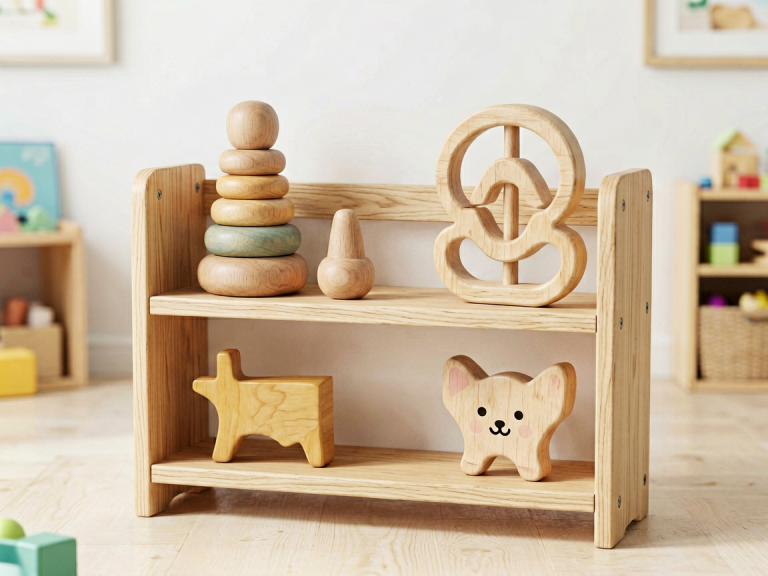
At home, designate a small tray or bin that stays accessible—perhaps a “sensory shelf” in the playroom. Rotate the materials weekly to maintain novelty. Involve the girl in choosing and preparing the materials; this ownership boosts engagement. For example, let her measure the rice and add the food coloring herself. Also, resist the urge to correct or direct too much. The learning happens during the process, not the product. If she wants to mix all the colors of play dough into a greyish lump, let her. The joy and exploration are the goals.
In the classroom, teachers can incorporate sensory play into center rotations. A sensory bin with sand, magnetic letters, and mini shovels can be a literacy station. A tray of water, measuring cups, and floating toys can be a math station. For a seven-year-old girl who may be struggling with reading or math anxiety, these stations provide a low-stress entry point. They also offer a much-needed sensory break for girls with ADHD or sensory processing sensitivities.
For special occasions, consider a sensory playdate. Invite two or three friends over and set up different stations: a shaving cream table, a water table, a nature collage station, and a play dough table. Provide smocks or old t-shirts. Girls at this age love cooperative creation, and the unstructured play fosters deep social bonds. It also models to parents that sensory play is valuable for older children, not just toddlers.
Conclusion: Embracing the Messy, Magical Path to Learning
In our rush to prepare seven-year-old girls for the academic challenges ahead, we sometimes forget that the most powerful learning is often the messiest, silliest, and most sensory-rich. A girl who spends an afternoon elbow-deep in mud, creating rivers and mountains, is not wasting time. She is learning the principles of erosion, density, and gravity. She is practicing perseverance when her dam breaks. She is experiencing joy—a critical ingredient for lifelong curiosity.
Sensory play honors the whole child: her mind, her body, and her heart. For seven-year-old girls, who are increasingly asked to sit still, focus, and perform, it is a vital counterbalance. It reminds them that learning can be tactile, that mistakes are part of the process, and that the world is full of textures, scents, sounds, and tastes waiting to be explored. By making space for sensory play—whether at home, at school, or in nature—we give these young girls the gift of a rich, embodied foundation for all the learning yet to come. So roll up your sleeves, open a bag of rice, and let the learning begin.