The Art of Toy Rotation: A Parent’s Guide to Cultivating Focus, Creativity, and Calm
Introduction
Every parent knows the scene: a birthday party ends, the holiday gifts pile up, and suddenly the living room is buried under a mountain of plastic, plush, and blinking objects. Your child picks up a toy, plays for thirty seconds, and tosses it aside. The next day, they complain, “I’m bored!” despite shelves overflowing with options. This cycle of overstimulation, clutter, and short attention spans is frustrating—and surprisingly common. The solution may seem counterintuitive: give your child fewer toys. But not just fewer—rotated toys. Toy rotation is a simple yet powerful parenting strategy that mimics the way children naturally engage with their environment. By systematically swapping out a portion of toys every week or two, parents can restore novelty, deepen play, and dramatically reduce household chaos. In this article, we’ll explore exactly how parents can use toy rotation to transform their child’s playtime—and their own sanity.
—
Understanding Toy Rotation: What It Is and Why It Works
Toy rotation is the practice of storing the majority of your child’s toys out of sight and only making a limited, curated selection available at any given time. Every one to three weeks (or whenever interest wanes), you replace those toys with a new set from the stash. The core idea is simple: less is more.
Why does it work? Young children are naturally drawn to novelty, but an overwhelming array of choices can actually inhibit deep, focused play. Cognitive research shows that when presented with too many options, children’s brains enter a state of “decision fatigue” and they flit from one item to the next without truly engaging. By limiting the number of toys, you encourage your child to explore each one more thoroughly. Furthermore, the periodic reappearance of a toy feels fresh and exciting—even if it’s been sitting in a closet for a month. The element of surprise reignites curiosity, leading to longer, more creative play sessions. Rotation also respects the developmental principle of “order,” especially for toddlers, who thrive on predictability and clear boundaries. When toys have a designated place and a predictable rhythm of appearance and disappearance, children feel a sense of control and calm.
—
The Benefits: From Reduced Overstimulation to Deeper Play
Implementing a toy rotation system yields tangible benefits for both children and parents. Here are the most impactful:
1. Lengthened Attention Spans
With fewer distractions, a child is more likely to stick with a single activity for twenty, thirty, or even forty minutes. This sustained focus is the foundation for later learning and problem-solving skills. Instead of hopping from a train set to a puzzle to a stuffed animal in five minutes, they might build an elaborate track, add a bridge, and create a story around it.
2. Enhanced Creativity
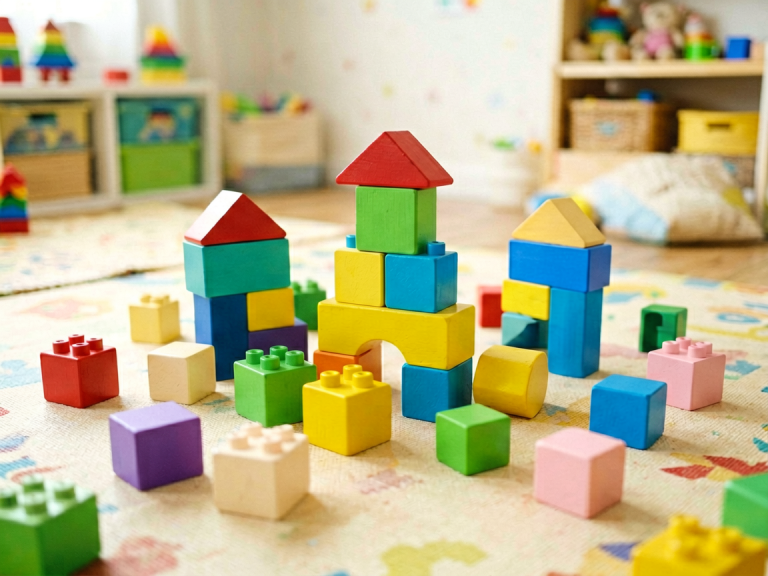
When toys are limited, children are forced to use them in more imaginative ways. A simple set of wooden blocks, without accompanying themed characters, becomes a castle, a spaceship, or a farm. The absence of pre-scripted playsets invites open-ended invention.
3. Less Clutter, Less Stress
Parents report a significant drop in daily cleanup time. Instead of spending twenty minutes wrangling dozens of scattered pieces, you only need to tidy up the current small collection. The visual calm of a tidy play space also reduces sensory overload for both child and adult, making the home feel more peaceful.
4. Increased Appreciation for Toys
Children learn to value what they have. When a toy disappears for a while and then returns, it often receives a hero’s welcome. This natural cycle teaches delayed gratification and reduces the constant craving for “new” things from stores.
5. Easier Decision-Making
Young children struggle with making choices. By presenting only a few high-quality options, you remove the burden of “What should I play with?” and let them dive right into play. This reduces tantrums and frustration.
—
Step-by-Step: How to Implement Toy Rotation in Your Home
Ready to try it? Follow these five steps to set up a system that works for your family.
Step 1: Declutter and Sort
Begin by gathering every toy your child owns. Remove any broken, missing-pieces, or age-inappropriate items. Sort the rest into categories: building toys (blocks, LEGO), pretend play (kitchen sets, dolls), art supplies, puzzles & games, sensory toys (play dough, sand), and vehicles. This will help you later when you create balanced rotations.
Step 2: Select a Storage System
You need two types of storage: active display and reserve storage. For active toys, use low, open shelves or bins that your child can access independently. For reserve, use clear plastic tubs labeled by category, stored in a closet, garage, or under the bed. Avoid opaque boxes so you can see what’s inside without opening them.
Step 3: Create the First Rotation Set
Choose 8–12 toys for the first week (adjust based on your child’s age and space). A good mix includes: 2–3 building/construction items, 2–3 pretend play items, 1 puzzle or game, 1 art or sensory activity, 1 book, and 1 vehicle or animal set. The goal is variety without overload. Place these on the active shelves.
Step 4: Rotate on a Schedule
Set a regular rotation day—perhaps every Sunday evening. Put away the current toys (they can go back into the reserve tubs or into a separate “next rotation” bin). Bring out the next set. For younger children, you may rotate weekly; for older children (ages 4+), every two weeks works well. Watch your child’s cues: if they start ignoring toys or seem bored, it’s time to swap.
Step 5: Involve Your Child (Gently)
For toddlers, simply present the new toys. For preschoolers, you can let them help choose which toys go into the “resting” bin. Never force a rotation if your child is deeply engaged with a current toy—let it stay until interest wanes naturally. The goal is to support play, not interrupt it.
—
Choosing the Right Toys: Quality over Quantity
Not all toys are equal when it comes to rotation. The best toys for rotation are open-ended, durable, and developmentally appropriate. Avoid battery-operated toys that sing, flash, and talk—they tend to dictate how the toy is used and quickly lose novelty after the batteries die. Instead, prioritize:
- Wooden blocks, unit blocks, magnetic tiles – endless building possibilities.
- Simple dolls, animal figures, or people figurines – encourage storytelling.
- Art supplies (crayons, paper, play dough, watercolors) – rotate different media each week.
- Puzzles – choose those with increasing difficulty.
- Musical instruments (shakers, drums, xylophone) – rotate one or two per cycle.
- Sensory bins (rice, beans, sand, water) – use a shallow bin and change the filler monthly.
Avoid rotating comfort items (like a favorite stuffed animal or blanket) as these provide emotional security. Also avoid rotating toys your child uses daily for routine activities, such as a balance bike or a doll they sleep with.
—
Age-Specific Strategies: Tailoring Rotation to Your Child’s Development
Babies (6–12 months)
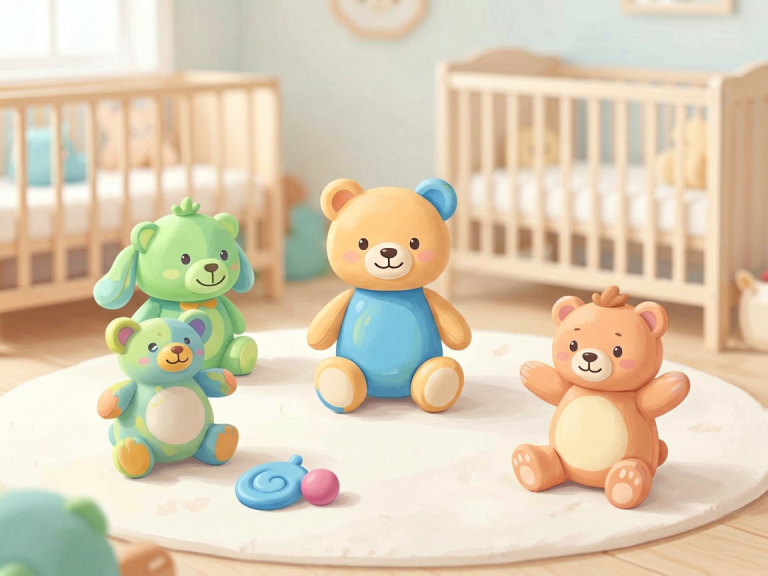
At this stage, rotation is about preventing overstimulation. Display only 3–4 toys at a time: one teether, one rattle, one soft book, and one grasping toy. Rotate every few days as their interest shifts quickly. Use a simple basket on the floor.
Toddlers (1–3 years)
Toddlers thrive on repetition, so keep the same rotation for about a week. Use low shelves with 6–8 toys. Ensure the toys support their need for movement and sensory exploration: push toys, stacking cups, shape sorters, and simple puzzles. Rotate once a week.
Preschoolers (3–5 years)
Preschoolers can handle more variety and longer rotations (2–3 weeks). Include more imaginative play items (dress-up clothes, play food, small world sets) and early games (memory cards, simple board games). At this age, you can involve them in deciding the next rotation.
School-age Children (5+)
For older children, toy rotation can extend to hobby items like LEGO kits, art projects, science experiments, and building sets. They may prefer a monthly rotation. Encourage them to help organize their own stash and to “store” toys they’ve outgrown so you can pass them along.
—
Common Pitfalls and How to Avoid Them
Even well-intentioned parents can stumble with toy rotation. Here are three frequent mistakes and solutions:
Pitfall 1: Rotating Too Often
Parents sometimes swap toys every two days, which can be disruptive. Children need time to revisit and deepen their play. Stick to a minimum of one week—longer is usually better.
Pitfall 2: Overloading the Active Set
It’s tempting to put out a dozen toys just to feel like you’re providing “enough.” But the magic of rotation lies in scarcity. Start with fewer than you think; you can always add one or two if needed.
Pitfall 3: Forgetting Your Child’s Interests
A rotation should reflect what your child is currently fascinated by. If they are obsessed with dinosaurs, include dinosaur figures in every rotation. Don’t force unrelated toys just to balance categories. Follow their lead.
Pitfall 4: Not Storing Reserve Toys Properly
If the reserve pile becomes a messy heap, you’ll dread rotations. Use labeled bins and keep the reserve area organized. This makes swapping quick and pleasant.
—
Real-Life Examples: A Day in the Life of a Rotating Toy Shelf
Let’s imagine a specific scenario. Sarah, mother of three-year-old Leo, implements rotation after reading about it. For Week 1, she places on the shelf: a set of wooden rainbow arches, a farm animal set, a wooden car ramp, two picture books about trucks, a shape sorting puzzle, and a basket of play dough with one cutter. Leo initially builds with the arches, then moves to the farm animals, lining them up by size. Later, he uses the arches to create a barn for the animals. He plays for over an hour without interruption.
At the end of Week 1, Sarah notices Leo has stopped touching the puzzle. She swaps out the puzzle and one book for a magnetic fishing game and a stacking toy. The next day, Leo is thrilled—he spends the morning “fishing” for wooden fish. The rotation cycle continues, and within a month, Sarah observes that Leo’s attention span has nearly doubled, he whines less about cleanup, and he no longer asks for new toys at the store. The living room stays tidy, and Sarah feels less overwhelmed.
—
Conclusion: Embracing Simplicity for Richer Play
Toy rotation is not a rigid rule—it’s a flexible framework that respects a child’s natural rhythm of exploration and mastery. By limiting the number of toys available at any one time, parents can foster deeper concentration, ignite creativity, and create a calmer home environment. The initial effort of sorting and storing pays off quickly in reduced clutter, fewer tantrums, and more joyful play moments. Remember that the goal is not perfection, but connection. When you see your child fully absorbed in building a castle from just a handful of blocks, you’ll know that sometimes, less really is more. Start small, observe your child’s response, and adjust as you go. The toys will always be there, waiting in the wings—ready to surprise and delight once more.