A Rainbow of Learning: Effective Strategies for Teaching Colors to Babies
Introduction
The world is a vibrant tapestry of colors, and for a baby, discovering that tapestry is one of the earliest and most exciting cognitive adventures. Teaching colors to babies is not merely about naming shades; it is about building foundational skills in observation, categorization, language development, and even emotional regulation. However, because infants’ brains are still developing the neural pathways for visual processing and abstract thinking, the process requires patience, creativity, and a deep understanding of how babies learn. This article provides a comprehensive, research-backed guide for parents, caregivers, and early childhood educators on how to introduce colors to babies in a natural, joyful, and effective way. From understanding color perception in the first months of life to engaging tactile, auditory, and kinesthetic activities, you will find practical strategies that turn everyday moments into colorful learning opportunities.
—
Understanding Color Perception in Infants
Before diving into teaching methods, it is essential to understand how babies see color. Newborns have limited visual acuity and can only perceive high-contrast black, white, and red patterns. Their color vision develops gradually: by around two to three months, they begin to distinguish red and green; by four to five months, blue and yellow become discernible; and by six months, full color vision is largely in place. This means that a baby’s ability to recognize and name colors is not a matter of simple exposure—it is a neurological milestone. Therefore, teaching colors should align with these developmental stages. For example, showing a three-month-old a red rattle against a white background is more effective than a pastel pink toy. By understanding that color perception is a skill that unfolds over time, caregivers can avoid frustration and design activities that are developmentally appropriate.
—
The Optimal Age to Start Teaching Colors
Many parents wonder when to begin formal color instruction. The answer is both simple and nuanced: you can start from birth, but expectations must be adjusted. In the first six months, the goal is not to teach color names but to provide rich visual stimulation that encourages neural growth. Around 12 to 15 months, most babies begin to understand that objects have attributes, and they may start pointing to colors when asked (though they cannot yet name them). The golden window for active color teaching is between 18 and 24 months, when language explosion occurs and toddlers can begin to associate color words with corresponding hues. However, even before that, consistent exposure to color vocabulary in context—such as saying “Look at the blue balloon” while pointing—builds a receptive vocabulary that later blossoms into expressive use. The key is to start early with passive exposure and gradually shift toward interactive learning as the baby’s cognitive and linguistic abilities mature.
—
Creating a Color-Rich Environment
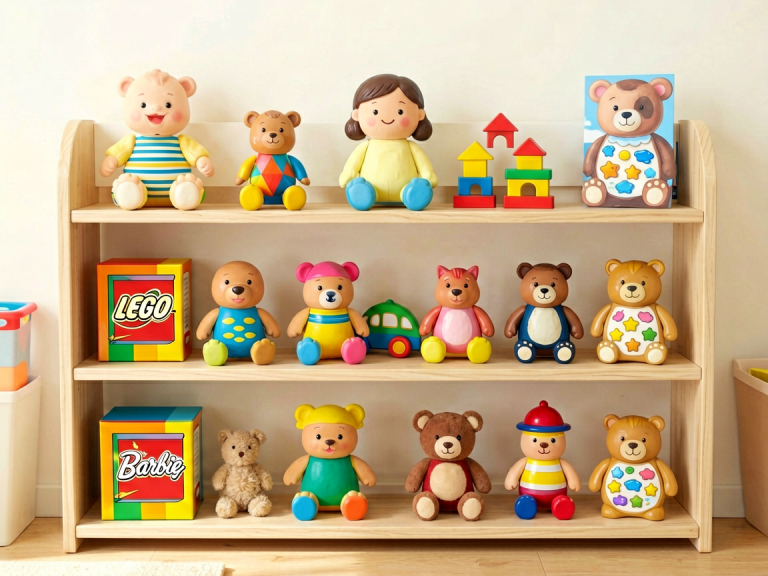
The environment itself can be the most powerful teacher. A room filled with monochromatic beige toys does not invite color discovery, whereas a thoughtfully arranged space with contrasting, vibrant elements can spark curiosity. Begin by incorporating a variety of colors into the baby’s immediate surroundings: a red play mat, a yellow mobile over the crib, a blue blanket, and green stacking cups. Rotate these items periodically to maintain novelty. Additionally, use color-coded storage bins (e.g., a purple basket for soft toys, an orange basket for blocks) to subtly reinforce color categories during cleanup. Natural light also enhances color perception; take the baby outdoors to see green leaves, blue sky, and brown tree trunks. This environmental immersion works because babies learn best through repeated, contextual exposure rather than isolated flashcard drills.
—
Engaging Senses: Multi-Sensory Approaches
Babies are sensory explorers; they learn by touching, tasting, smelling, hearing, and seeing. To teach colors effectively, engage as many senses as possible. For instance, when introducing the color “red,” offer a red apple for the baby to hold and bite (if age-appropriate), a red silk scarf to feel, a red bell to shake, and a red picture book to look at. This multi-sensory approach creates a rich neural network around the concept of “redness,” making it more memorable. Another powerful technique is color-themed sensory bins: fill a shallow container with dyed rice (easy to make with food coloring and vinegar) in a single color, and let the baby scoop, pour, and sift. The tactile feedback combined with the visual cue strengthens the association. Similarly, color-flavored snacks—like a green grape, a yellow banana, and a blueberry—can turn snack time into a color lesson. Always ensure safety: avoid small parts that could be choking hazards and use non-toxic materials.
—
Fun Activities and Games for Color Recognition
Structured play is an excellent vehicle for teaching colors. Here are several tried-and-tested activities, each designed for different stages of development:
1. Color Sorting (12–18 months)
Provide two bowls and a set of objects in two contrasting colors (e.g., red and blue blocks). Demonstrate placing a red block in the red bowl and a blue block in the blue bowl. Initially, the baby will likely mix them; simply model the correct sorting without correcting errors harshly. Over time, the pattern recognition kicks in.
2. Color Hunt (18–24 months)
Say “Let’s find something yellow!” and walk around the room together. Point out a yellow pillow, a yellow book, a yellow toy. Celebrate each discovery with clapping. This game builds both attention and vocabulary.
3. Color Matching with Paint Chips (24 months+)
Visit a home improvement store and collect free paint chip cards in various shades. Cut them into smaller squares. Lay out a few cards and ask the baby to find a toy that matches each color. This activity teaches discrimination between similar hues (e.g., light blue vs. dark blue).
4. DIY Color Wheel
Paste colored paper circles on a large piece of cardboard. Provide clothespins painted in matching colors. The baby clips the clothespin onto the corresponding circle—a great fine motor and color recognition combo.
5. Bath-Time Color Mixing
Add a few drops of food coloring to the bathwater (use safe, washable colors). Let the baby watch as you mix two primary colors to create a secondary color: “Look, blue and yellow make green!” This introduces the concept of color transformation in a magical, low-pressure way.
—
Incorporating Colors into Daily Routines
The most effective learning is woven into everyday life rather than isolated in “lesson time.” During dressing, offer choices: “Do you want the red socks or the blue socks today?” Even if the baby cannot answer verbally, the gesture of showing two options builds color awareness. At mealtime, comment on the colors of foods: “This broccoli is green. The carrot is orange.” While tidying up, label the colors of toys as you put them away. During walks, point out cars, flowers, and signs. Repetition across different contexts helps the baby understand that “green” applies not only to leaves but also to a cup, a shirt, and a crayon. This generalization is a critical cognitive leap. Also, use color as a tool for safety: “We only cross the road when the man is green.” Such functional associations make color knowledge practical and meaningful.
—
Using Books, Songs, and Digital Media
Children’s literature is a treasure trove for color learning. Choose board books with bold, simple illustrations and minimal text per page, such as *Brown Bear, Brown Bear, What Do You See?* by Bill Martin Jr. and Eric Carle, or *Dog’s Colorful Day* by Emma Dodd. Read with enthusiasm, pointing to each color and pausing for the baby to look. Sing color-themed songs like “If You’re Happy and You Know It” with color verses (“…and you know it, stomp your feet, wear your red hat”). Recite nursery rhymes that mention colors, such as “Rainbow, Rainbow in the Sky.” Digital media, if used sparingly and with an adult present, can also reinforce learning. Short, slow-paced videos like those from *Baby Einstein* or *Cocomelon* often feature color segments, but they should never replace hands-on, real-world interaction. The American Academy of Pediatrics recommends no screen time for babies under 18 months (except video chatting), so prioritize books and songs over screens.
—
Common Mistakes to Avoid
Teaching colors to babies can sometimes lead to frustration if certain pitfalls are not avoided. One common mistake is overwhelming the baby with too many colors at once. Stick to one or two colors per week, rotating them gradually. Another error is using abstract labels without context. Saying “This is red” while holding a red ball is fine, but asking a 1-year-old “What color is this?” too early can be confusing because it demands recall. Instead, model the language: “I see a red ball. Red. Can you touch the red ball?” Avoid correcting mistakes harshly; if the baby points to a blue block when you ask for “red,” simply say, “That is blue. Can you find the red one?” and guide her hand. Finally, do not push for verbal output. Receptive understanding comes first; expressive naming may not appear until well after the second birthday. Pressure can create anxiety and turn a joyful activity into a chore.
—
Patience and Repetition: The Key to Success
Perhaps the most critical element in teaching colors to babies is patience. Color recognition is not a milestone that can be rushed; it relies on countless repetitions over many months. A baby might hear the word “yellow” hundreds of times before she finally points to a yellow flower. That is normal. Repetition does not mean boring drills—it means embedding color language into varied, playful experiences. Sing the same song, read the same book, play the same sorting game many times. Each repetition builds a stronger neural connection. Moreover, celebrate small victories: a glance, a point, a smile of recognition. These micro-moments indicate that learning is happening beneath the surface. Remember that every child develops at their own pace; some babies are color-savvy by 18 months, while others may take until 30 months. Comparing your baby to others is counterproductive. Trust the process, stay consistent, and above all, keep the atmosphere light and fun.
—
Conclusion
Teaching colors to babies is a journey of shared discovery—a chance to see the world anew through their curious eyes. By starting early with high-contrast stimuli, creating a color-rich environment, engaging multiple senses, and incorporating color language into daily routines, you lay a strong foundation for cognitive and linguistic growth. Activities like sorting, hunting, and matching turn abstract concepts into concrete, playful experiences. Avoid common errors by pacing exposure, emphasizing context over testing, and practicing patience. Most importantly, remember that the goal is not to produce a toddler who can name all twelve crayons by age two; the goal is to nurture a joyful learner who is curious about the vibrant world around her. As you point to the red car, the green leaf, the blue sky, you are not just teaching colors—you are building a bond, sparking wonder, and giving your baby the tools to describe her own beautiful reality. So take a deep breath, grab a handful of colorful toys, and step into the rainbow of learning together.