Screen-Free Beginnings: A Comprehensive Parent Guide to Reducing Screen Time for Your 9-Month-Old
Introduction
At nine months old, your baby is a whirlwind of curiosity, crawling, babbling, and grasping at the world with tiny, determined fingers. This is a critical window for brain development, sensory integration, and social-emotional bonding. Yet, in our digitally saturated lives, it is alarmingly easy to hand a fussy infant a smartphone or let a glowing tablet serve as a digital babysitter. The American Academy of Pediatrics (AAP) and the World Health Organization (WHO) are unequivocal: for children under 18 months, screen time should be avoided entirely—except for live video chatting. For a nine-month-old, every minute spent staring at a passive screen is a minute stolen from hands-on exploration, face-to-face interaction, and the messy, beautiful, real-world learning that builds a strong foundation for life. This guide is designed to equip you with practical, research-backed strategies to drastically reduce—and ideally eliminate—screen time for your nine-month-old. We will explore the risks, offer actionable alternatives, and help you navigate the inevitable challenges with confidence and compassion.
Understanding the Risks: Why Screen Time Matters for Your 9-Month-Old
The developing brain of a nine-month-old is not merely a miniature adult brain; it is a rapidly wiring network that depends on three-dimensional, interactive, and emotionally rich experiences. Screens—whether televisions, tablets, or phones—deliver two-dimensional images, often with rapid scene changes and exaggerated sounds that overstimulate the infant’s underdeveloped prefrontal cortex. Research published in *JAMA Pediatrics* has linked early screen exposure to delays in language acquisition, reduced executive function, and lower attention spans. More concerning, screens disrupt the serve-and-return interactions between parent and child—those back-and-forth exchanges of coos, smiles, and gestures that literally shape neural pathways. When you look at your baby, they learn to read your face; when you respond to their babble, they learn the rhythm of conversation. A screen cannot offer this. Moreover, excessive screen time at nine months is associated with poorer sleep quality, as the blue light suppresses melatonin production, and with reduced physical activity, which is essential for motor development. Understanding these risks is not meant to induce guilt but to empower you: every moment you choose a non-screen activity, you are actively investing in your baby’s long-term cognitive, emotional, and physical health.
Setting Realistic Goals: What Does “Reducing Screen Time” Mean?
Before diving into strategies, it is crucial to define what success looks like. For a nine-month-old, the ideal goal is zero screen time, except for brief, purposeful video calls with distant relatives—which should be kept under 10 minutes and always supervised. However, if your household currently relies on screens to calm a crying baby or to carve out a few minutes for yourself, do not aim for perfection overnight. Instead, set incremental, measurable targets. Start by identifying when and why you use screens: Is it during diaper changes? While cooking dinner? To distract during a car ride? Then create a “screen reduction ladder.” For example, week one: eliminate screens during feeding and bedtime. Week two: replace the morning TV with a baby-safe mirror or a sensory basket. Week three: ban screens from the nursery entirely. Track your progress with a simple journal—not to shame yourself, but to celebrate small victories. Remember, you are not failing if you occasionally slip; you are rewiring a family habit. The goal is not to become a screen-free martyr but to reclaim your baby’s earliest months for genuine, unmediated human connection.
Creating a Screen-Free Environment at Home
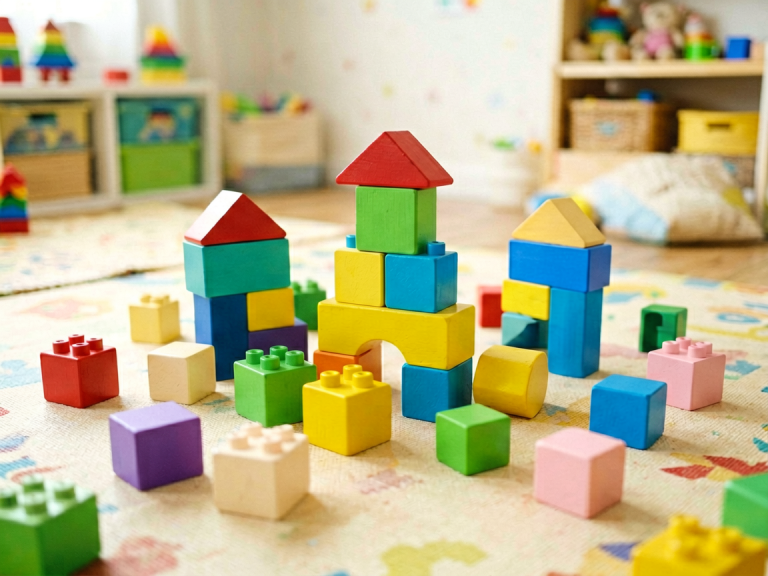
Your physical environment powerfully shapes your family’s screen habits. Begin by conducting a “screen audit” in every room your baby inhabits. In the living room, move the television to a less central location—or better yet, remove it from the main play area altogether. Stow tablets and phones in opaque containers or drawers when not in use. If you have a home office, keep the door closed during baby’s awake hours. The bathroom? Avoid setting your phone on the counter while bathing your nine-month-old—water play should be all about splashes, giggles, and learning cause-and-effect, not passive viewing. Instead, create “invitation to play” stations: a low shelf with soft blocks, a textured ball, and a few board books. Place a mirror at floor level so your baby can explore their own movements. Designate a “no-phone zone” around the play mat, and commit to keeping your own device out of sight during these times. The less screens are visible, the less they become a gravitational force pulling both you and your baby away from authentic interaction. Remember: for a nine-month-old, your face, your voice, and your touch are far more captivating than any cartoon.
Engaging Alternatives: Activities That Promote Development
When you remove screens, you must fill the void with activities that are equally—if not more—engaging. The key is to offer sensory-rich, open-ended play that meets your baby’s developmental needs. Below are six categories of screen-free activities tailored to a nine-month-old:
1. Sensory Exploration: Fill a shallow bin with cooked, cooled spaghetti; offer a basket of fabric squares (silk, velvet, burlap); let your baby “paint” with yogurt on a high-chair tray (supervised). These activities build tactile discrimination and fine motor control.
2. Tummy Time with a Twist: Place a mirror at eye level, dangle a crinkly toy, or scatter a few Cheerios (if baby is ready) to encourage reaching and crawling. This strengthens neck, back, and arm muscles.
3. Music and Movement: Sing nursery rhymes with hand gestures; clap along to a simple rhythm; let your baby bang on a pot with a wooden spoon. Live music, unlike recorded, allows for real-time turn-taking and emotional attunement.
4. Object Permanence Games: Play peek-a-boo with a scarf; hide a rattle under a cup and let your baby find it. These games lay the groundwork for memory and problem-solving.
5. Outdoor Time: Place your baby on a blanket in the grass (with sun protection), let them feel the breeze, watch leaves rustle, or observe a passing dog. Nature’s complexity cannot be replicated on a screen.
6. Social Interaction: Arrange a playdate with another nine-month-old (even parallel play is valuable). Or simply narrate your own activities—“Mama is folding the blue towel, now it is a square!”—as you go about your day.
Rotate these activities to prevent boredom. The goal is not to entertain your baby constantly but to provide a rich, responsive environment where they can initiate their own discoveries.
Building a Daily Routine That Minimizes Screen Dependence
A predictable daily rhythm is a powerful ally in reducing screen time. Nine-month-olds thrive on consistency because it gives them a sense of security and helps regulate their emotions. Design your routine so that screens have no natural entry point. For example:
- Morning wake-up: Immediately upon waking, offer cuddles and a few minutes of quiet play in the crib or on the floor. Do not turn on the TV “for background noise.”
- After meals: Use the post-meal window for messy sensory play or a brief walk around the yard. This capitalizes on your baby’s alertness.
- Before naps: Establish a wind-down ritual of soft songs, a massage, and a board book with simple pictures. Avoid any screen exposure within one hour of sleep, as it disrupts melatonin production.
- During your own chores: Place your baby in a high chair near you with a few safe kitchen utensils (plastic cups, a whisk) so they can “help.” Or use a baby carrier for hands-free closeness while you fold laundry or prep vegetables.
The key is to anticipate fussy moments and have a screen-free strategy ready. For instance, when your baby grows bored while you are on the phone, hand them a crinkly book rather than a phone. Over time, this routine becomes automatic, and the thought of using a screen will feel unnatural.
Managing Parental Screen Use: Leading by Example
Your nine-month-old is a relentless imitator. They watch where you look, what you hold, and how you react. If you constantly glance at your phone while sitting beside them, they will learn that screens are more important than people. To truly reduce your baby’s screen time, you must first examine your own habits. This does not mean you can never use your phone—it means being intentional. Set aside specific “phone-off” blocks during your baby’s awake hours. Use those moments to be fully present: make eye contact, mirror their coos, and narrate your actions. If you need to check a message, do it while your baby is safely in a crib or with another caregiver, and keep it under two minutes. Consider downloading an app that tracks your own screen usage, and challenge yourself to reduce it by 30% in the first week. You may find that when you put down your phone, your baby’s fussiness decreases—because they are finally getting the undivided attention they crave. Your presence is the most potent screen-reduction tool you possess.
Handling Common Challenges: Crying, Fussy Moments, and Screens
Inevitably, there will be times when your nine-month-old is inconsolable, and the siren call of a soothing cartoon or a musical video seems irresistible. Let us reframe this moment: your baby is not trying to manipulate you; they are communicating a need—hunger, fatigue, overstimulation, or simply the desire for connection. Screens offer a temporary, hollow fix that can actually escalate dysregulation. Instead, try the following interventions:
- The Five-Minute Reset: Place your baby in a carrier and go outside for a brisk walk. The change of scenery, fresh air, and rhythmic motion often work wonders.
- Deep Pressure: Gently swaddle your baby in a soft blanket (if they still tolerate it) or offer firm, rhythmic pats on the back. This mimics the calming sensation of being held.
- Sound and Movement: Hum a lullaby while gently bouncing on an exercise ball. The combination of vibration and low-frequency sound can soothe even the most distressed baby.
- The “Yes” Space: Ensure your baby has a safe, confined area (a playpen or gated corner) with a few interesting toys. Sometimes a brief period of independent play allows them to self-regulate without your direct intervention.
If you do feel you absolutely need a break, consider a “micro break” of 10 minutes where you sit your baby in a safe seat with a single toy—not a screen. Use those minutes to breathe, sip tea, or collect yourself. You are not a bad parent for needing space; you are a human one. But the screen is not the solution—your baby needs you, not pixels.
When Screens Are Unavoidable: Tips for Intentional Use
Despite your best efforts, there may be legitimate circumstances where a screen appears—a video call with a deployed parent, a pediatric telehealth appointment, or an emergency situation where you need both hands free. In these rare cases, make the screen time as high-quality as possible. Use a large screen (not a phone) placed at eye level. Sit with your baby, narrate what is happening, and point to the screen: “Look, Grandma is waving! Let’s wave back.” Keep the session short—under 10 minutes—and ensure it is interactive, not passive. Avoid background TV, even muted, because it distracts your baby from real-world play. After the call, immediately redirect to a hands-on activity like a sensory bin or a cuddle. The goal is to treat screen time as a tool, not a pacifier. By being mindful, you minimize the negative effects and preserve the sanctity of screen-free hours.
Tracking Progress and Celebrating Milestones
Reducing screen time is a journey, not a destination. To stay motivated, create a simple weekly tracker. Note how many minutes of screen time your baby had (excluding video calls) and what triggered them. Over time, watch the numbers decline. Celebrate small wins: “This week, we made it through two grocery trips without a single phone distraction.” Share your progress with a supportive partner, friend, or online community of like-minded parents. Also, track your baby’s developmental milestones—new babbling sounds, independent sitting, first attempts at crawling—and notice how they accelerate with more screen-free play. You can even take photos or videos (without showing the screen!) of your baby’s joyful interactions to remind yourself of what is being gained. Remember, you are building a foundation for a lifetime of healthy media habits. Every screen-free hour is a gift.
Conclusion: Embracing the No-Screen Journey
Your nine-month-old does not need a screen to grow, learn, or be happy. They need you—your warm lap, your melodic voice, your silly faces, your patient hands guiding them through a world of textures, sounds, and emotions. The path to reducing screen time is not always easy; it demands creativity, patience, and a willingness to face your own screen habits. But the rewards are immeasurable: a more attentive, resilient baby; a deeper parent-child bond; and the quiet satisfaction of knowing you gave your little one the gift of a rich, real, unmediated early life. Start today, with one small change. Turn off the television. Put your phone in another room. Get down on the floor. Look into your baby’s eyes. That is where the magic lives—and no screen can ever compete.