The Complete Parent Guide to Reducing Screen Time for 1-Year-Olds: Evidence-Based Strategies for Healthy Development
Title: The Complete Parent Guide to Reducing Screen Time for 1-Year-Olds: Evidence-Based Strategies for Healthy Development
—
In today’s digital age, screens are everywhere—from televisions and tablets to smartphones and smart speakers. For parents of a 1-year-old, the pressure to use screens as a quick distraction or educational tool can be intense. Yet mounting research from the American Academy of Pediatrics (AAP) and child development experts strongly advises against any screen time for children under 18 months (with the exception of live video chatting). Why? Because a one-year-old’s brain is undergoing rapid, critical growth that depends on real-world interactions, sensory exploration, and responsive caregiving. This guide offers a practical, evidence-based roadmap for reducing or eliminating screen time for your toddler, replacing it with activities that nurture cognitive, social, and motor development.
—
Why Screen Time Matters for 1-Year-Olds
The developmental cost of passive viewing
At 12 months, a child’s brain is forming up to one million new neural connections every second. These connections are built through active engagement: touching, tasting, hearing language in context, watching faces, and moving freely. Screens—even “educational” apps or baby videos—offer passive, two-dimensional stimulation that does not support the same kind of learning. Studies show that screen time at this age is linked to delayed language development, reduced parent–child interaction, and shorter attention spans later in childhood.
The AAP’s clear stance
The AAP recommends zero screen time for children under 18 months (except for video calls) and no more than one hour per day of high-quality programming for children aged 2–5, co-viewed with a parent. For 1-year-olds, that means: no TV, no tablets, no smartphones used as pacifiers. The reasoning is straightforward: a toddler’s most vital “screen” is the face of a loving caregiver who talks, sings, responds, and mirrors their emotions.
Displacement of essential activities
Every minute a 1-year-old spends staring at a screen is a minute they are not crawling, cruising, manipulating objects, babbling with an adult, or exploring cause and effect in the physical world. These hands-on experiences are irreplaceable for building fine motor <a href="https://www.playlearningguide.com/category/skills/”>skills, balance, problem-solving abilities, and social understanding.
—
Effective Strategies to Reduce Screen Time
1. Create a screen-free home environment
The easiest way to reduce screen time is to make screens less accessible. Keep televisions turned off unless an adult is consciously watching a specific program (not background noise). Store tablets and smartphones out of sight and reach. Designate device-free zones such as the nursery, playroom, and dining area. When screens are invisible, the temptation to use them suddenly disappears.
2. Establish clear routines and boundaries
One-year-olds thrive on predictability. Build a daily rhythm that naturally crowds out screen time: morning play on the floor, a walk outdoors, snack time, peek-a-boo sessions, music and singing, nap time, then more physical play. When a child knows what comes next, they are less likely to whine for a screen. If they do point at a TV or your phone, gently redirect with a simple, “No screen now—let’s go shake this rattle!” Consistency is key; don’t give in “just this once” unless you want to reinforce a new habit.
3. Use screens intentionally and sparingly
If you choose to allow a rare video call with grandparents or a 10-minute interactive music app while sitting together, do it with purpose and presence. Never hand a device to a child as a “babysitter.” Always co-view and talk about what you see. For a 1-year-old, this should be an exception, not a daily occurrence.
—
Creating Engaging Alternatives to Screens
Sensory play that sparks curiosity
A 1-year-old learns through all five senses. Fill a shallow bin with safe, non-toxic materials like dry rice, cooked spaghetti, or water with floating toys. Let them scoop, pour, squish, and splash. Add cups, spoons, and small containers to encourage cause-and-effect thinking. Sensory bins can hold a toddler’s attention for 20 minutes or more—far longer than a typical video.
Physical activity for gross motor skills
Set up a simple obstacle course using pillows, cardboard boxes, and a low tunnel. Encourage your child to crawl over, under, and around. Practice walking along a line of masking tape on the floor. Play “chase” or roll a ball back and forth. These activities strengthen muscles, improve balance, and release energy that might otherwise lead to screen-seeking boredom.
Language-rich interactions
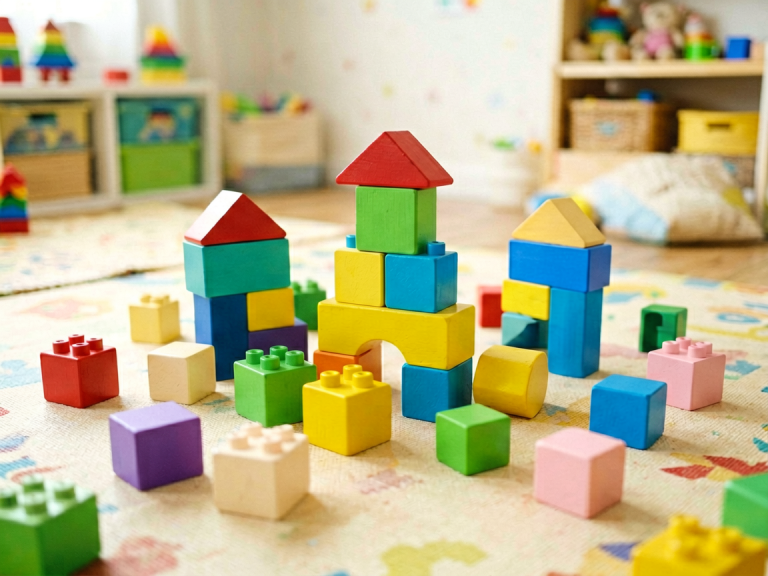
Narrate your day: “Now I’m putting the red block on top of the blue block. Boom! It fell down. Let’s try again.” Sing nursery rhymes with hand motions, read board books with textures and flaps, and imitate your child’s sounds and gestures. Every back-and-forth exchange builds neural pathways for language and social connection. Screens cannot offer this contingent, responsive feedback.
Outdoor exploration
Sunlight and fresh air are powerful screen antidotes. A simple walk in a stroller—pointing out trees, dogs, and clouds—provides visual variety without overstimulation. Let your toddler sit on grass, touch a leaf, or watch ants. Even 15 minutes outside can reset their mood and reduce the urge to reach for a device.
—
The Role of Parental Modeling and Mindset
Your own screen habits matter
Children learn by imitating. If you are frequently glancing at your phone while sitting next to your 1-year-old, they will naturally become curious about that glowing rectangle. Make a conscious effort to put your phone away during playtime, meals, and before bed. Use a physical alarm clock instead of your phone to avoid checking it in the morning. When your child sees you fully present, they internalize that real-world interaction is the norm.
Dealing with “tech guilt” and societal pressure
Many parents feel guilty about their own screen use or worry that their child will “fall behind” if they don’t use educational apps. Know this: no app can replace a warm lap, a loving voice, or a shared laugh. Your toddler does not need a digital head start; they need you. Let go of the idea that screens are essential for learning. They are not.
Practical swaps for common screen-trigger moments
- During diaper changes: Have a small basket of novel toys or a mirror within reach. Sing a silly song.
- In the car: Bring a soft rattle, a teething toy, or a fabric book. Talk about what you see outside.
- While cooking: Place your child in a safe high chair with a rubber spatula and a bowl of dry oatmeal to stir. Let them “help” by handing you wooden spoons.
—
Overcoming Common Challenges
Cranky, screen-seeking behavior
A 1-year-old may cry, arch their back, or point insistently at a TV or phone. This is normal but not a sign that you should give in. Stay calm, offer a physical alternative (a hug, a walk, a new toy), and hold your boundary. After a few days, the protests will fade. Remember: you are teaching your child that their needs are met through connection, not consumption.
Grandparents, caregivers, or other parents who use screens
If a grandparent wants to set your toddler in front of a cartoon, have a polite conversation ahead of time: “We’re following the pediatrician’s advice and keeping screen time at zero for now. Could we take a walk together instead?” Offer alternative activities. Most loved ones will respect your wishes if explained kindly and firmly.
Burnout and exhaustion
Yes, it is easier to hand a child a phone for 10 minutes of peace. But long-term, that shortcut often backfires—screens create more demands, not fewer. When you feel depleted, remind yourself that this intense phase is temporary. Use a rotating bin of “emergency” low-prep play ideas (e.g., a roll of painter’s tape to stick on the floor, a cardboard box with a spoon and a pot). Give yourself permission to let your child play independently while you sit nearby.
—
Long-Term Benefits of a Screen-Early Childhood
Stronger parent–child attachment
When you consistently choose face-to-face interaction over screens, your child learns that they can rely on you for comfort, stimulation, and joy. This secure attachment is the foundation for emotional regulation, empathy, and resilience throughout life.
Better language and cognitive development
Without screens, your child’s brain receives high-quality linguistic input: varied vocabulary, responsive conversation, and nonverbal cues. Studies show that children with minimal screen exposure in the first two years score higher on language assessments later.
Healthier sleep and behavior
Screen light disrupts melatonin production, and the fast-paced visuals overstimulate a developing nervous system. Reducing screen time leads to easier bedtimes, fewer night wakings, and calmer daytime behavior.
Lifelong habits of active engagement
A toddler who grows up learning to entertain themselves with blocks, books, and nature is more likely to become a child who chooses creative play over screens. You are planting seeds now that will bloom for years.
—
Conclusion
Reducing screen time for a 1-year-old is not about deprivation—it is about abundance. Abundance of touch, movement, conversation, and real-world wonder. By removing screens from the daily equation, you give your child the most powerful gift: your undivided attention and a world rich with sensory, social, and cognitive opportunities. It takes effort, consistency, and sometimes a deep breath when the whining begins. But every moment you redirect that little hand away from a screen and toward a block, a song, or your smiling face, you are building a healthier brain and a deeper bond. Start today, start small, and trust that the screen-free path is not just possible—it is the best one for your one-year-old.