Beyond the Screen: Embracing Hands-On Play for 18-Month-Olds to Replace TV Time
Introduction: The Hidden Cost of Passive Entertainment
In the modern home, the television often serves as a silent babysitter. For many parents of toddlers, a few minutes of a colorful cartoon or a catchy nursery rhyme video can provide a precious breather to prepare dinner, answer an email, or simply gather composure after a long day. At 18 months, a child is a whirlwind of curiosity and energy, and the allure of the screen—bright, predictable, and effortlessly engaging—is understandable. Yet, mounting research in early childhood development suggests that what seems like harmless entertainment may actually be crowding out the most vital ingredient for a toddler’s growth: unstructured, screen-free play. This article explores why, for an 18-month-old, trading TV time for hands-on play is not just a luxury but a necessity, and offers concrete strategies for making that shift a joyful, practical reality.
—
The Problem with TV Time for Toddlers
The American Academy of Pediatrics recommends avoiding screen media—other than video chatting—for children younger than 18 to 24 months. For a child who has just crossed that threshold, even short bursts of television can have unintended consequences. At this age, the brain is forming up to one million new neural connections every second. These connections are built through active, multi-sensory engagement: touching, tasting, moving, babbling, and interacting with real objects and real people. Television, by contrast, presents a two-dimensional, passive experience. A child watching a show may appear attentive, but that attention is “sticky”—a phenomenon called attentional inertia—not active, exploratory focus. The show does all the work, leaving the toddler’s own problem-solving, motor, and language centers largely unexercised. Over time, habitual TV exposure is linked to shorter attention spans, reduced vocabulary growth, and delayed executive function skills. More subtly, it replaces opportunities for the messy, unpredictable, and deeply formative play that builds resilience, creativity, and social understanding.
—
Why 18-Month-Olds Need Screen-Free Play: The Developmental Imperative
At 18 months, a child is in a remarkable window of development. They are transitioning from infancy into toddlerhood, beginning to walk with confidence (or even run), say a handful of words, and assert their own will. This is the time of “sensorimotor” exploration, a concept described by developmental psychologist Jean Piaget. Children learn not by watching but by doing. Every block stacked and knocked down teaches physics; every spoonful of yogurt smeared on the tray teaches cause, effect, and texture; every game of peek-a-boo teaches object permanence and social reciprocity. Screen-free play is uniquely suited to support this stage because it is:
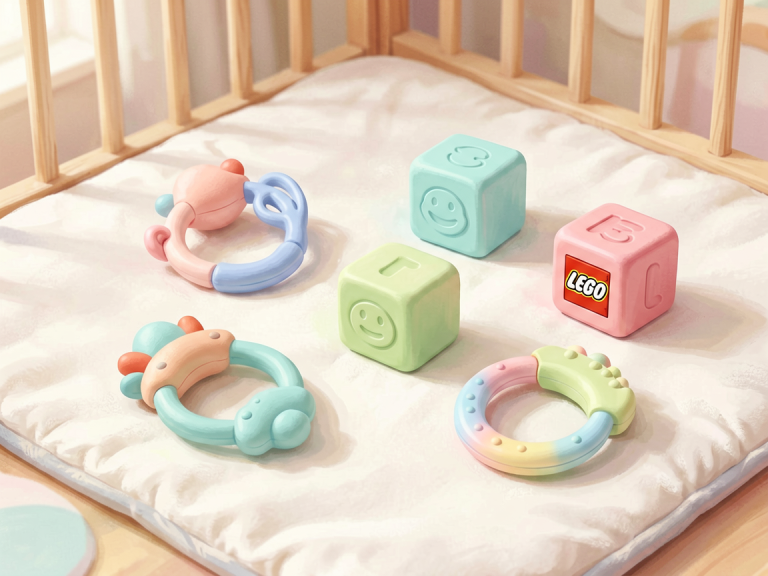
- Multisensory: Instead of just looking at a cartoon character, a toddler can feel the squish of play dough, hear the rattle of a wooden noise maker, smell a fresh orange slice, and taste a safe, edible sensory bin ingredient. Sensory input builds dense neural pathways.
- Self-Paced: A TV show moves at a fixed speed; a toddler might be captivated one minute and bored the next. In free play, the child controls the pace. They can repeat an action forty times (to the mild frustration of the adult watching) until the brain has fully assimilated the pattern. This repetition is essential for mastery and memory.
- Social and Emotional: Screen time is solitary. Even “educational” shows that ask questions don’t wait for an answer. Real play involves a caregiver or another child: the smile when a tower falls, the shared laugh at a funny sound, the comfort of a hug after a tumble. These interactions build attachment and emotional regulation.
- Creative and Open-Ended: A TV script is finished. A cardboard box, on the other hand, can be a car, a hat, a house, a drum. Open-ended materials like blocks, scarves, and water encourage divergent thinking—the ability to see many possibilities in one object. This is the foundation of problem-solving and innovation.
Practical Screen-Free Play Ideas for 18-Month-Olds
Replacing TV time does not mean pulling out a complicated craft kit or forcing structured activities. The best play for an 18-month-old is simple, safe, and low-tech. Below are five categories of play that naturally engage a toddler’s developing mind and body.
1. Sensory Bins and Water Play
A plastic tub filled with dry rice, pasta, or oatmeal (for supervised play only), or a shallow pan of warm water with a few measuring cups and floating toys, can occupy a toddler for extended periods. The pouring, scooping, and splashing refine fine motor skills and teach basic concepts like “full” and “empty.” For a winter twist, try a bin of clean snow. Always supervise closely because small objects can be a choking hazard.
2. Object Permanence and Containers
Eighteen-month-olds are fascinated by putting things in and taking things out. Provide a set of plastic cups or a shoebox with a slot cut in the lid, along with large wooden blocks or plastic bottle caps. The child will joyfully drop items inside, dump them out, and start again. This simple game builds hand-eye coordination and the understanding that objects exist even when out of sight.
3. Climbing, Pushing, and Pulling
Gross motor development is at its peak. A low, soft climbing structure (like a couch cushion fort or a toddler-sized Pikler triangle) invites the child to practice balance and coordination. A small wagon or a sturdy push toy (without batteries) that they can load with toys and haul around the house encourages large muscle movement and spatial awareness. This kind of vigorous physical play naturally tires them out—often better than a screen ever could.
4. Music and Movement Without a Screen
Instead of turning on a music video, sing songs yourself or use a simple instrument like a shaker egg or a small drum. Clap hands, stomp feet, and dance together. At 18 months, children respond to rhythm and rhyme, and live, face-to-face interaction—with eye contact and exaggerated facial expressions—builds language skills and social bonding. You can also play “freeze dance” (stop and start a simple song) to practice listening and impulse control.
5. Imitation Play (Nurturing and Daily Routines)
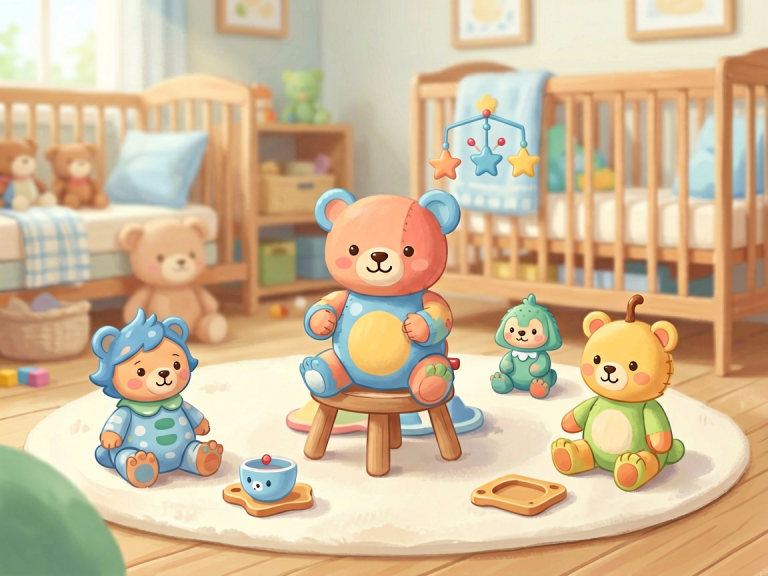
Toddlers love to mimic the adults around them. Provide a small toy phone (that doesn’t light up) and pretend to have a conversation. Give them a baby doll and a blanket, and show them how to “feed” or “put the baby to sleep.” This kind of symbolic play is a powerful foundation for empathy and narrative thinking. It also helps the child process daily experiences like diaper changes or mealtimes, reducing anxiety through play.
—
Creating a Play-Rich Environment at Home
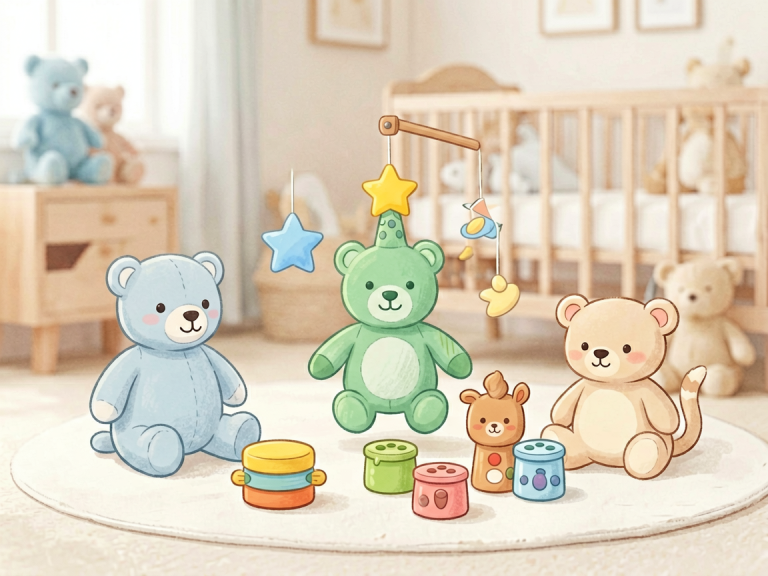
A key to reducing TV time is making the alternative irresistible. This does not require expensive toys or a dedicated playroom. It only requires intentional arrangement. Rotate toys—put out only a few options at a time (say, three baskets of different types), and swap them every few days. Old toys become new again. Position a low shelf within the child’s reach stocked with sturdy, open-ended items: wooden blocks, stackable cups, silicone muffin liners, fabric squares, and board books. Keep a basket of these in the living room, the kitchen, and the child’s bedroom so that there is always a “yes” place to play.
Minimize clutter and visual noise. A toddler’s attention is easily overwhelmed. If the room is chaotic, they may default to the TV for a sense of order. Instead, create clear, simple zones: a soft mat for floor play, a corner with cushions for quiet looking at books, and an area for active movement. When the environment is predictable and inviting, the child is more likely to engage independently.
—
Managing the Transition: How to Reduce TV Time Gradually
Breaking a habit—even a child’s habit—requires patience. If your 18-month-old is used to 30 minutes of TV after lunch, do not abruptly remove it. Instead, use a phased approach:
- Replace, Don’t Remove: At the usual TV time, offer an engaging alternative before the screen even goes on. Say, “Today let’s see what happens when we put the blocks in the bucket!” Play alongside them for a few minutes, then step back as they become absorbed.
- Shorten Gradually: Start by cutting TV time by five minutes each day. Use a timer that the child can see (or a simple verbal countdown) to make the transition predictable.
- Rethink Background TV: Many families leave the TV on all day as background noise. This is especially detrimental for toddlers, as it splits their attention and interferes with language development. Turn the TV off completely, or at least when the child is awake and active. Replace it with soft music, the sounds of your own voice, or simple silence.
- Be Present (but Not Entertaining): The goal is not for you to become a full-time entertainer. The goal is to be a secure base. Sit nearby with a cup of coffee and just watch. Comment occasionally: “You put the red block on top!” Your presence alone gives the child confidence to explore. Over time, they will learn to play independently.
—
The Long-Term Benefits of a Screen-Free Start
Choosing to prioritize screen-free play for an 18-month-old is an investment in the child’s lifelong relationship with learning. In the short term, you will notice better sleep (blue light from screens interferes with melatonin), improved mood (active play releases endorphins), and richer language (more back-and-forth conversation). In the long term, children who spend their toddler years immersed in hands-on play tend to develop stronger self-regulation, greater curiosity, and more flexible problem-solving abilities.
They also learn something more profound: that the world is not a passive spectacle to be consumed, but a vibrant, responsive, mysterious place to be actively explored. A cardboard box, a splash of water, and a loving adult’s smile are all a child needs to build the architecture of a brilliant mind. The television can wait. This golden window of sensorimotor wonder cannot.
Conclusion: A Quiet Revolution
Replacing TV time with screen-free play is not about denying your child entertainment. It is about offering them something far richer: the chance to create, to fail, to try again, to feel the texture of the world, and to connect with the real people who love them. The work of a toddler is play. The gift we can give them is the space, the time, and the freedom to do that work without the hum of a glowing rectangle. In that simple act, we nurture not just a child, but a future thinker, creator, and human being. And that is a show worth watching every single day.