Reducing Screen Time for Preschoolers: A Practical Parent Guide
—
Introduction: Why Less Screen Time Matters More Than Ever
In the digital age, screens have become an almost unavoidable part of daily life. From video calls with grandparents to educational apps and cartoons, young children are exposed to digital media earlier and more frequently than any previous generation. Yet research from the American Academy of Pediatrics (AAP) consistently recommends that children aged 2 to 5 should have no more than one hour of high-quality screen time per day, and that children under 18 months should avoid screens entirely except for live video chatting. For preschoolers—those energetic, curious three-to-five-year-olds—finding the right balance between technology and real-world experiences is crucial for healthy development. Excessive screen time has been linked to delayed language skills, reduced attention span, poorer sleep quality, and even behavioral issues. This guide is designed to help parents and caregivers reduce screen time in a gentle, effective, and sustainable way, without turning the home into a battleground. The goal is not to eliminate screens entirely, but to replace passive consumption with active, enriching alternatives that support a child’s cognitive, social, and physical growth.
—
Understanding the Risks of Excessive Screen Time
Before making any changes, it helps to understand exactly why screen time matters so much for preschoolers. At this age, a child’s brain is developing at an astonishing rate—neural connections are being formed based on real, hands-on experiences. When a child spends hours watching fast-paced videos or playing mindless games, they miss out on critical opportunities for sensory exploration, imaginative play, and social interaction. Studies show that too much screen time can interfere with a child’s ability to focus, regulate emotions, and develop empathy. Additionally, the blue light emitted from screens suppresses melatonin production, making it harder for little ones to fall asleep and stay asleep. Physical effects also exist: prolonged sitting can delay gross motor skills, and eye strain from close-up screens can cause headaches or vision discomfort. Understanding these risks gives parents the motivation to take action—not out of fear, but out of a sincere desire to give their child the best possible start in life.
—
Setting Clear Screen Time Limits
The first practical step toward reducing screen time is establishing boundaries. Preschoolers thrive on predictability, so having a clear, consistent rule about when and how long screens can be used makes the transition smoother. Start by determining your family’s daily screen allowance—ideally no more than one hour of high-quality content. Decide whether that hour will be in the morning, after nap, or before dinner, and stick to it. Use a visual timer or a simple countdown to help your child understand when screen time is ending. Avoid using screens during meals, in the car (except for emergencies), or in the bedroom. It’s also wise to create “screen-free zones” in the house, such as the playroom, dining table, and especially the bedroom. Once the limit is set, enforce it calmly and consistently. If your child protests, acknowledge their feelings but hold the boundary. For example, you might say, “I know you want to watch another episode, but our screen time is finished for today. Let’s go build a fort instead.” Over time, the routine becomes second nature.
—
Creating Engaging Alternatives to Screens
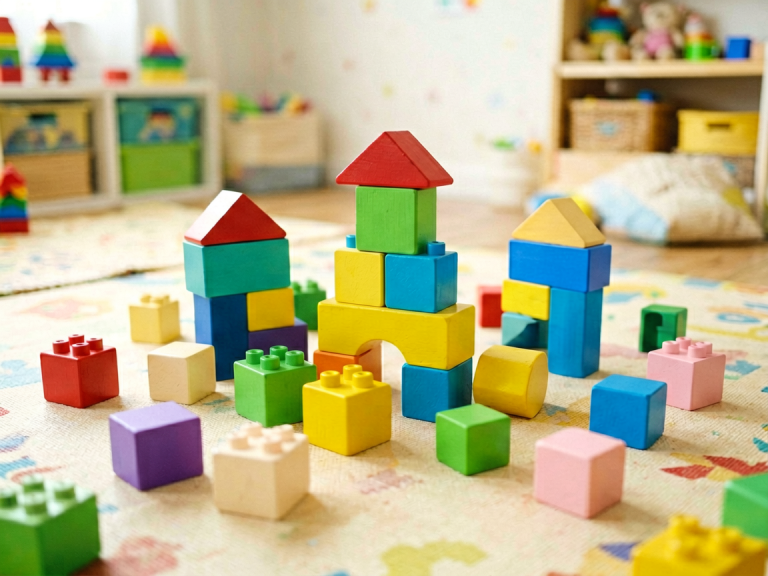
One of the most effective ways to reduce screen time is to offer alternatives that are genuinely more fun and engaging. Preschoolers are naturally curious and creative—they don’t need expensive gadgets or complicated activities to stay entertained. Stock your home with open-ended toys like blocks, wooden trains, art supplies, play dough, and costumes for pretend play. Rotate toys every week to keep them fresh and exciting. Spend time outdoors every day, even if it’s just 15 minutes in the backyard or a walk around the block. Nature offers endless stimuli: leaves to crunch, bugs to observe, puddles to splash. Inside, try simple science experiments (like a baking soda volcano), sensory bins filled with rice or beans, or music and dance sessions. Reading together is another powerful screen replacement—make story time a daily ritual. Let your child “help” with simple cooking tasks like stirring or washing vegetables. The key is to participate alongside your child. When you join in their play, they feel seen and valued, and the screen becomes far less enticing.
—
Modeling Healthy Screen Habits Yourself
Children learn more from what we do than from what we say. If you are constantly checking your phone, scrolling through social media, or watching TV while your child is playing, they will naturally imitate that behavior. To successfully reduce screen time for your preschooler, start by examining your own digital habits. Set aside specific times in your day when you put your phone away—during family meals, when playing with your child, and during bedtime routines. Keep your phone in a designated spot, such as a drawer in the kitchen, instead of in your pocket. When you do need to use a screen, explain what you are doing: “Mommy is checking the grocery list on my phone. I’ll be done in two minutes.” This helps your child understand that screens are tools, not toys. When your child sees you engaging in screen-free activities like reading a book, gardening, or doing a puzzle, they learn that there are many rewarding ways to spend time. Modeling intentional, limited screen use is one of the most powerful lessons you can teach.
—
Making Screen Time Purposeful (When It Happens)
Since completely eliminating screens may not be realistic for most families, the next best approach is to make the allowed screen time as beneficial as possible. Not all screen time is equal. Prioritize high-quality, age-appropriate content that is educational, interactive, and slow-paced. Look for apps and shows that encourage problem-solving, creativity, or physical movement. For example, a program that asks children to mimic animal movements or a music app that lets them create their own songs is far better than passive cartoons. Watch together whenever you can, and talk about what you see. Ask open-ended questions: “What do you think will happen next? Why is the character feeling sad? How would you solve that problem?” This turns passive consumption into an active learning experience. Be selective about ads, in-app purchases, and auto-play features—turn them off if possible. Consider setting up a kids’ profile on your streaming service to filter content. Remember, the goal is quality over quantity. Even 20 minutes of thoughtful, co-viewed screen time can be more valuable than an hour of background TV.
—
Handling Resistance and Tantrums Gracefully
When you first reduce screen time, expect some pushback. Preschoolers are creatures of habit, and taking away a familiar comfort can feel like a loss. They may cry, plead, or throw a tantrum. The key is to stay calm, empathetic, and firm. Validate their feelings without giving in: “I know you’re upset that we can’t watch more shows right now. It’s hard to stop when you’re having fun. Let’s take a deep breath together.” Then immediately redirect their attention to a motivating alternative. Having a “surprise basket” of special activities (like glow-in-the-dark stickers, a new coloring book, or a simple craft project) can be a lifesaver. Prepare yourself mentally for a few difficult days—this is normal. Consistency is everything. If you give in after three days of crying, you’ve taught your child that tantrums work. Instead, hold the boundary with love and confidence. Within a week or two, most children will accept the new routine and even begin to prefer the engaging alternatives. If your child continues to struggle, consider whether the screen time limit is too abrupt; you can taper down gradually by five minutes each day until you reach your goal.
—
Creating a Screen-Free Environment at Home
Your home environment plays a huge role in shaping behavior. If screens are front and center—like a TV always on in the living room or a tablet lying on the coffee table—your child will naturally gravitate toward them. Make a conscious effort to design a space that invites other types of play. Move the TV to a less prominent location, or cover it with a cloth when not in use. Keep tablets and phones out of sight, preferably in a closed drawer or cabinet. Declutter the play area so that toys are visible and accessible: low shelves with baskets for blocks, puzzles, and art supplies invite independent play. Create a cozy reading nook with pillows and a small bookshelf. Hang a chalkboard or whiteboard for drawing. Put up a simple art display where your child’s creations can be admired. Consider a “screen-time jar” with tokens: each token represents a 10-minute block. Once the tokens are used up, the screen goes away for the day. This visual system helps children manage their own time. The physical environment should support the message that home is a place for connection, creativity, and calm, not for passive digital consumption.
—
Involving Extended Family and Caregivers
Reducing screen time is not something you can do alone, especially if grandparents, babysitters, or older siblings are involved. Have a clear conversation with everyone who cares for your preschooler about your screen time goals and why they matter. Explain the one-hour limit and the kinds of content you approve. Provide a list of alternative activities that caregivers can use: going for a walk, playing with blocks, baking cookies, or doing a simple puzzle. If grandparents are used to plopping the child in front of the TV to keep them occupied, offer them easy, low-prep substitutes like a picture book or a set of magnetic toys. You might also create a shared “activity jar” filled with ideas written on popsicle sticks. Consistency across caregivers is critical—if a child learns that Grandma lets them watch unlimited YouTube, they will constantly seek out Grandma and resist your rules. Be patient and respectful when discussing this with family, but be firm about your parenting choices. You can frame it positively: “We’re trying to help little Sam learn to play more independently. Would you like to join us in trying out some of these fun activities next time you visit?”
—
Tracking Progress and Celebrating Success
Change takes time, and it’s easy to feel discouraged if you don’t see immediate results. Keep a simple log for a week—note how much screen time your child actually gets now versus before you started. You might be surprised to find that after a few weeks, without you even noticing, your child is naturally choosing blocks over the iPad. Celebrate small victories. Did your child play independently for 20 minutes without asking for a screen? Praise them specifically: “You did such a great job building that tower all by yourself!” Did you manage to have a screen-free family dinner every night this week? Treat yourself to a relaxing evening after the kids are asleep. Remember that the goal is not perfection—some days will be harder than others due to illness, travel, or stress. On those days, give yourself grace. The real measure of success is not the number of minutes without a screen, but the quality of the interactions that happen when screens are put away. Over time, you’ll notice your child talking more, laughing more, sleeping better, and showing more creativity. That is the ultimate reward for your efforts.
—
Conclusion: A Lifelong Gift
Reducing screen time for your preschooler is not about deprivation—it’s about abundance. By limiting digital distractions, you open the door to richer experiences: messy art projects, muddy puddles, heartfelt conversations, shared stories, and quiet moments of wonder. You are teaching your child that the world is vast and interesting, that boredom is a spark for creativity, and that the best connections happen face-to-face. This guide provides a roadmap, but every family is different. Adapt the strategies to fit your unique circumstances, your child’s temperament, and your cultural values. Start small, stay consistent, and don’t forget to take care of yourself along the way. The effort you invest now will pay off for years to come, shaping a child who is curious, resilient, and capable of finding joy in the real, unfiltered world. That is the greatest gift a parent can give.