Taming the Screen: A Parent’s Guide to Reducing Screen Time for Toddler Boys
—
Introduction
In today’s digital age, screens have become an almost unavoidable part of family life. From streaming cartoons on tablets to watching educational videos on smartphones, toddlers are exposed to screens earlier and more frequently than ever before. While some digital content can be beneficial, excessive screen time for toddler boys presents unique challenges. Boys at this age are naturally energetic, curious, and prone to short attention spans. Without mindful intervention, screens can quickly replace the active, hands-on play that is essential for their physical, cognitive, and social development. This guide is designed to help parents understand why reducing screen time is critical for toddler boys and offers practical, research-backed strategies to replace passive screen use with meaningful, engaging activities.
—
Understanding the Challenge: Why Toddler Boys Are Particularly Drawn to Screens
Toddler boys are biologically wired for movement, exploration, and instant feedback. Screens provide exactly that: bright colors, fast-paced action, and immediate rewards. Apps and videos designed for young children often use repetitive sounds, quick scene changes, and simple cause-and-effect interactions, which can easily capture a toddler boy’s attention. Moreover, many parents observe that their sons become “hypnotized” by screens—struggling to look away even when the content is over. This is because the developing brain releases dopamine (a pleasure chemical) in response to stimulating screen interactions, creating a cycle of craving.
Another factor is the social environment. Boys are often encouraged—sometimes unintentionally—to engage with “educational” apps or videos as a way to keep them quiet or occupied. In households with multiple children or busy parents, screens become a convenient babysitter. The challenge is further compounded by the fact that toddler boys may have less developed language and self-regulation skills, making it harder for them to communicate their need for a break or accept alternative activities. Understanding these underlying drivers helps parents approach the problem with empathy rather than frustration.
—
The Hidden Costs of Excessive Screen Time
Before diving into solutions, it is important to recognize why reducing screen time is non-negotiable for toddler boys. Research from the American Academy of Pediatrics recommends that children aged 18 to 24 months should avoid all screens except for live video chatting, and children aged 2 to 5 should have no more than one hour per day of high-quality programming. However, many toddler boys far exceed these limits. The consequences are significant:
- Delayed Language Development: Excessive screen time reduces the quantity and quality of back-and-forth conversations. Parent-child interaction is the single most powerful driver of language acquisition. When a toddler boy stares at a screen, he misses opportunities to hear new words, practice pronunciation, and experience the social nuances of communication.
- Poor Sleep and Behavior: The blue light emitted from screens suppresses melatonin production, disrupting sleep patterns. Toddler boys who watch screens before bed often have trouble falling asleep, wake frequently, and show more aggression or hyperactivity the next day.
- Reduced Physical Activity: Boys naturally need more vigorous physical activity to develop gross motor skills, muscle strength, and coordination. Prolonged sitting with a screen can contribute to delayed milestones like running, jumping, and climbing.
- Attention Difficulties: Rapid scene changes in children’s programming can train the brain to expect constant novelty, making it harder for toddlers to engage in slower-paced activities like puzzles, building blocks, or imaginative play, which require sustained attention.
—
Practical Strategies to Cut Down Screen Time
Reducing screen time for toddler boys does not mean banning technology outright—it means replacing passive consumption with intentional, structured choices. The following strategies have been proven effective for families with active, strong-willed little boys.
1. Create a Screen-Free Home Environment
Designate specific areas in your home as screen-free zones. The kitchen table, the playroom, and the child’s bedroom are prime candidates. Keep televisions and tablets out of these spaces entirely. When screens are not visible, toddlers are less likely to demand them. Additionally, store devices out of reach and out of sight. A toddler boy who sees a tablet on the coffee table every day will constantly ask for it. If the device is tucked away in a drawer, the temptation is reduced.
2. Set Clear and Consistent Rules
Toddler boys thrive on routine and clear boundaries. Establish screen time limits that are simple to understand. For example, “You can watch one 20-minute show after you clean up your toys, and then the TV goes off.” Use a visual timer (like an hourglass or a countdown clock app) to show how much time is left. When the timer goes off, the screen turns off—no negotiations. Consistency is key. If you give in once, your toddler will learn that whining or tantrums can get him more screen time. Stick to the rule every single day.
3. Offer Engaging Alternatives That Match His Energy
One of the most effective ways to reduce screen time is to provide ultra-engaging alternatives. Toddler boys often crave activities that involve building, destroying, moving, and testing their strength. Consider these high-impact replacements:
- Gross Motor Play: Set up an obstacle course with pillows, blankets, and tunnels. Encourage running, jumping, and crawling. Even 15 minutes of active play can release pent-up energy and satisfy the need for stimulation.
- Sensory Bins: Fill a plastic tub with dry rice, beans, sand, or water. Add scoops, small toys, and cups. Toddler boys love pouring, digging, and burying. This type of play is calming and builds fine motor skills.
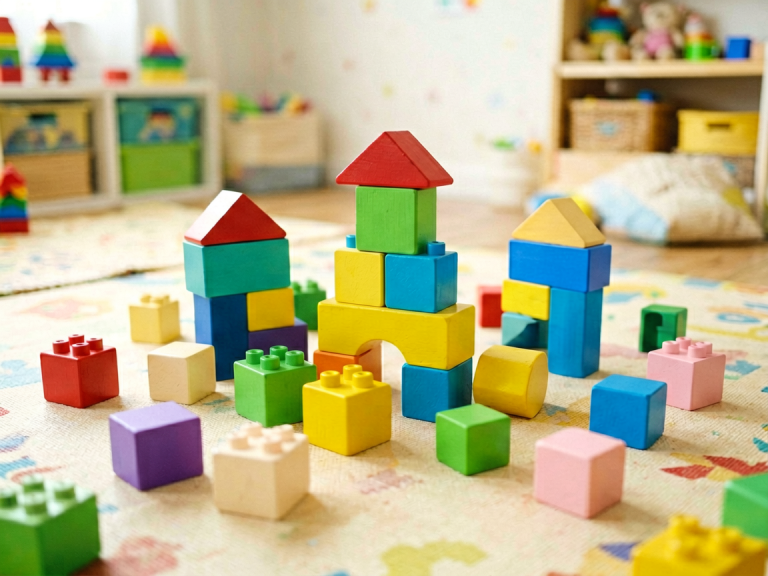
- Building and Construction: Duplo blocks, magnetic tiles, or wooden train tracks offer endless opportunities for problem-solving and creativity. Many boys become deeply absorbed in constructing towers, bridges, and roads.
- Pretend Play: Boys often enjoy role-playing as firemen, construction workers, or superheroes. Provide costumes, toy tools, and props. This type of imaginative play develops language, social skills, and emotional regulation.
4. Use Screens as a Tool, Not a Reward
Many parents use screens as a reward for good behavior. While this can be effective, it can also backfire by making screens seem even more desirable. Instead, use screens sparingly and in a purposeful way. For instance, you might allow a short educational video about dinosaurs after your toddler has had a full morning of outdoor play. Or you could use a child-friendly video-call app to let him talk to grandparents. The goal is to make screen time a small, special part of the day rather than the default activity.
5. Lead by Example
Toddler boys are keen observers. If you are constantly checking your phone or watching television, they will naturally want to imitate you. Make a family commitment to put away your own devices during playtime, meals, and before bed. Model reading books, doing puzzles, or simply sitting and chatting. When your child sees that you value screen-free time, he is more likely to accept the rule.
—
Activities That Captivate Toddler Boys
Sometimes parents struggle to come up with ideas that truly capture a toddler boy’s attention. Here is a curated list of activities that almost never fail:
- Water Play: Fill a shallow basin with warm water, cups, funnels, and waterproof toys. Many boys can play for an hour at the sink or on a towel on the floor.
- Cooking Together: Let your toddler stir, pour, and wash vegetables. Even simple tasks like tearing lettuce or sprinkling cheese give him a sense of purpose.
- Nature Scavenger Hunts: Go outside and look for specific items—a red leaf, a smooth rock, a stick shaped like a Y. This combines physical activity with discovery.
- Musical Instruments: Shakers, drums, xylophones, and bells allow boys to experiment with sound and rhythm. You can also turn on music and have a dance party.
- Animal Walks: Crawl like a bear, hop like a frog, slither like a snake. These playful physical movements strengthen muscles and coordination.
—
Managing Screens During Transition Times
The most difficult moments to avoid screens are usually transitions: when you need to cook dinner, when you are on a long car ride, or when your toddler is fussy before nap time. At these times, it is tempting to hand over a smartphone. Instead, prepare ahead. Keep a “busy bag” of special toys that only come out during transition times—for example, new magnetic puzzles, a set of plastic animals, or a pop-up book. In the car, sing songs or play simple games like “I Spy.” At dinner prep time, involve your toddler by giving him safe tasks like wiping the table or sorting plastic cups. These small investments of effort pay off by building his independence and reducing screen dependence.
—
Dealing with Resistance and Tantrums
When you first start reducing screen time, expect pushback. Toddler boys are creatures of habit, and change—even positive change—can provoke frustration or meltdowns. The key is to remain calm and firm. Acknowledge your child’s feelings: “I see you are upset because you want to watch your show. It’s okay to be sad. But right now, we are going to play with blocks.” Offer a choice between two screen-free activities: “Would you like to go outside and kick a ball, or build a tower with blocks?” Giving a perceived sense of control can defuse many tantrums.
If the meltdown continues, hold your boundary. Eventually, your toddler will learn that screaming does not lead to a screen. Over time, as he discovers the joy and satisfaction of active play, the resistance will fade. Many parents report that within a week or two of consistent reduction, their toddler boys begin to initiate screen-free play on their own.
—
Conclusion
Reducing screen time for toddler boys is not an easy task, but it is one of the most important gifts you can give them. By replacing passive screen consumption with active, hands-on experiences, you are supporting their brain development, motor skills, emotional regulation, and creativity. The strategies outlined in this guide are not about perfection—they are about progress. Start small, pick one or two changes to implement this week, and gradually build from there. Remember that your presence, your play, and your attention are far more engaging than any app or video. With patience and consistency, you can help your toddler boy develop a healthy relationship with screens and a lifelong love for the real world.