The Art of Toy Rotation: 10 Common Mistakes to Avoid (and How to Fix Them)
Introduction
Toy rotation has become a cornerstone of mindful parenting, offering a simple yet powerful way to keep children engaged, reduce clutter, and encourage deeper play. By cycling a curated selection of toys in and out of circulation, parents can spark creativity, improve focus, and even teach valuable lessons about organization. However, like any parenting strategy, toy rotation can backfire if not implemented thoughtfully. Many well-intentioned parents fall into traps that undermine the very benefits they’re trying to achieve—leaving children overwhelmed, bored, or resistant to the system.
In this article, we’ll explore the ten most common toy rotation mistakes and, more importantly, how to avoid them. Whether you’re a seasoned rotator or just starting out, understanding these pitfalls will help you create a rotation that truly works for your child and your family. Let’s dive in.
—
1. Rotating Too Frequently (or Not Often Enough)
One of the first balancing acts parents face is timing. Some parents, eager to keep things fresh, swap out toys every few days. Others forget about the rotation entirely, leaving the same set out for months. Both extremes miss the mark.
When you rotate too often, children never have the chance to form a deep relationship with a toy. They may feel rushed or anxious, as if the playtime “window” is closing before they’ve fully explored the possibilities. On the flip side, infrequent rotation leads to stagnation: toys lose their novelty, and children gravitate toward them less and less, eventually ignoring them altogether.
The Fix: Observe your child’s engagement patterns. A good rule of thumb is to rotate every two to four weeks, depending on age. Toddlers may need more frequent changes (every two weeks), while older preschoolers can sustain interest for a month or longer. Watch for signs that a toy is no longer being touched—that’s your cue to rotate it out.
—
2. Rotating Too Many Toys at Once
It’s tempting to clear off the entire shelf and fill it with a completely new assortment. After all, “out with the old, in with the new” feels satisfying. But a sudden, wholesale swap can overwhelm a child, especially a younger one who relies on familiar objects for comfort and security.
Imagine walking into your own living room and finding all your furniture replaced with unfamiliar pieces. You’d feel disoriented, not excited. The same goes for children. When every single toy is unfamiliar, they may freeze, unable to decide where to start, or they may cling to you for reassurance instead of diving into independent play.
The Fix: Gradual rotation is key. Instead of swapping everything at once, replace only a third to a half of the toys each time. Leave a few familiar favorites—a beloved stuffed animal, a classic puzzle—to anchor the child. This mix of known and new provides a sense of continuity while still offering novelty.
—
3. Ignoring the Child’s Developmental Stage
Toy rotation isn’t just about shuffling objects; it’s about offering the right challenges at the right time. A common mistake is to keep toys that your child has outgrown or to introduce ones that are too advanced. For example, leaving a simple wooden rattle in the rotation for a three-year-old will likely be ignored, while offering a complex board game with small pieces to an eighteen-month-old can be frustrating—or even dangerous.
When toys don’t match a child’s current abilities, playtime suffers. The child either loses interest (too easy) or becomes frustrated (too hard). Both outcomes defeat the purpose of rotation, which is to promote engaged, joyful learning.
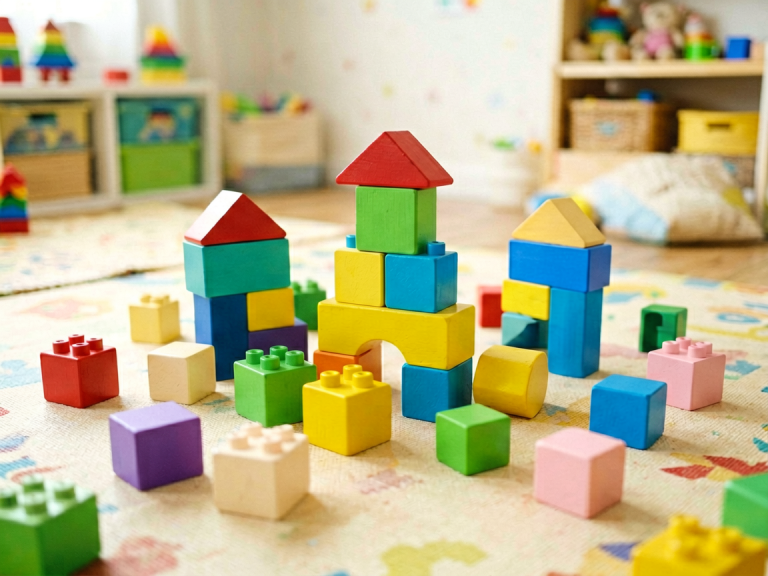
The Fix: Curate each rotation based on your child’s specific milestones. For infants, focus on sensory toys (soft textures, mirrors, rattles). For toddlers, include cause-and-effect toys, simple puzzles, and stacking items. For preschoolers, incorporate more open-ended toys like building sets, pretend play props, and early games. Regularly assess your child’s interests and skills, and be willing to retire toys that no longer serve them.
—
4. Not Accounting for the Child’s Personality and Preferences
We often project our own ideas about what’s “fun” or “educational” onto our children, forgetting that they have unique temperaments and tastes. A child who loves quiet, solitary play may feel pressured by a rotation full of noisy, group-oriented toys. Conversely, a highly social, active child might be bored by a rotation heavy on puzzles and books.
Another mistake is assuming that a toy your child once loved will always be a hit. Children’s preferences evolve rapidly. A doll that was treasured for months may suddenly be cast aside, only to be rediscovered later. Forcing a toy into rotation because “it was a gift” or “you used to love it” ignores the child’s current reality.
The Fix: Involve your child in the rotation process when appropriate. For toddlers, simply observe which toys they gravitate toward during free play. For preschoolers and older, ask them: “Which toy would you like to keep out this month? Which one are you ready to put away?” This gives them a sense of agency and ensures the rotation reflects their authentic interests. Rotate around their passions, not your assumptions.
—
5. Overlooking the Importance of Toy Presentation
The way toys are displayed can dramatically affect how a child uses them. A common mistake is to toss all rotated toys into a bin or basket in a jumbled pile. While this might be quick for parents, it sends a chaotic message to children. When toys are disorganized, children have to dig and search, which can lead to frustration and a shorter attention span.
Moreover, toys that are half-hidden or buried in a container are less inviting. Children may not even realize a particular toy is available. The same principle applies to rotating out packaging: a new toy that is still wrapped in plastic or tied with twist ties loses its allure because the child can’t access it easily.
The Fix: Take a cue from Montessori philosophy: display toys with intention. Use low, open shelves where each toy has its own space. Group similar items together (e.g., all art supplies in one tray, all building blocks in a shallow bin). For small pieces, use clear containers or divided trays. When you introduce a rotated toy, present it with care—perhaps even unwrap it together. This “stage” of presentation signals that the toy is special and worthy of attention.
—
6. Failing to Deep Clean and Repair Toys Between Rotations
Toy rotation isn’t just about storage—it’s also about maintenance. Many parents skip the cleaning step, thinking, “It’s just going to be put away and then brought out again anyway.” But toys accumulate dust, grime, and even bacteria over time. Storing them dirty can lead to musty smells, stained surfaces, and, in extreme cases, mold or mildew. More importantly, when a toy reappears in bad condition, children may feel less inclined to handle it.
Another aspect is repair. A puzzle missing a piece, a doll with a torn dress, or a car with a broken wheel can be frustrating. If you rotate out a broken toy and later bring it back without fixing it, you’re essentially offering a disappointing experience.
The Fix: Before storing any toy, give it a quick clean. Wipe plastic toys with a mild soap solution, wash fabric toys according to labels, and use a disinfectant wipe on shared items. Check for damage and either repair the toy before storage or set it aside for disposal. When you retrieve a toy for the next rotation, inspect it again. This habit keeps the toy rotation cycle fresh and inviting.
—
7. Neglecting to Observe How the Child Actually Plays
Toy rotation is not a one-size-fits-all system. Yet many parents set up a rotation based on a generic schedule or their own convenience, without paying close attention to the child’s real play patterns. For instance, you might notice that your child loves to build towers using blocks, but you keep rotating out building toys because you think they need more variety. The result? The child loses interest in the rotation altogether.
Another common oversight is failing to notice when a child is in the middle of an extended project. If your little one is building a complex Lego city that spans two weeks, yanking away the Lego set just because the calendar says it’s rotation day can feel like a punishment. The child may become resentful.
The Fix: Watch and listen. Keep a mental or written log of which toys your child returns to repeatedly, and respect those “deep play” periods. If a toy is being used creatively every day, let it stay longer than planned. Conversely, if a toy has been untouched for a week, don’t wait for an arbitrary date to swap it out. Be flexible. The rotation should serve the child, not the other way around.
—
8. Rotating Without a Clear Storage System for Off‑Cycle Toys
A successful rotation relies on an organized storage system for the toys that are not currently in use. A frequent mistake is to simply throw them into a closet, garage, or under the bed in a chaotic heap. When you later try to retrieve specific toys, you end up digging through piles, undoing the organization you worked hard to create. Worse, toys can become damaged, lost, or forgotten when they’re not stored thoughtfully.
Another issue is failing to rotate toys in a way that keeps the stored toys accessible. If you store them in high, hard‑to‑reach bins, you may be less likely to regularly refresh the rotation because the effort of retrieving them feels too high.
The Fix: Invest in clear, labeled bins or fabric cubes. Group toys by category (building, pretend play, art, etc.) or by age appropriateness. Store them on shelves or in a cabinet that you can easily access. Label each bin with a simple photo or word so that even your child can help. When you rotate, take out a bin and put away a bin. This streamlined process makes rotation a 15‑minute task rather than an overwhelming chore.
—
9. Overemphasizing “Educational” Toys at the Expense of Fun
In our desire to maximize learning, we sometimes curate a rotation that is heavy on flash cards, workbooks, and structured games while leaving out toys that are purely for fun—like a set of plastic dinosaurs, a costume trunk, or a simple ball. The mistake here is forgetting that all play is educational, and that joy is the engine of learning. A child who is forced to play only with “smart” toys may rebel or lose their natural curiosity.
Additionally, open‑ended toys (like blocks, dolls, and art supplies) often provide more developmental benefits than a single‑purpose “educational” toy. Over‑rotating with too many targeted skill‑builders can narrow the child’s play experiences.
The Fix: Aim for a balanced mix. For every three toys, include at least one that is purely imaginative or physically active. Let your child lead the way. If they spend an hour dressing up and pretending to be a knight, that’s just as valuable as an hour with a letter‑matching game. Trust that unstructured play builds creativity, problem‑solving, and social skills.
—
10. Forgetting to Model and Teach the Rotating System to Your Child
Finally, one of the most overlooked mistakes is treating toy rotation as a parent‑driven secret project. Children are remarkably capable of understanding routines, and if they are left out of the process, they may feel confused or even anxious when favorite toys disappear. They might start hiding toys or hoarding them in their bedroom to avoid losing them.
When children don’t understand the “why” behind rotation, they may resist it. They might cry when a toy is put away, not realizing it will come back later. The whole system becomes a source of conflict instead of cooperation.
The Fix: Explain the process in simple, positive terms. Say something like, “We’re going to put some toys in the ‘resting bin’ so they can take a nap and be extra fun when they come out again. We’ll keep your favorites for now, and next week we’ll take out some new friends.” Involve them in the physical act of packing away toys—let them say goodbye, sing a silly song, or place a toy gently in the bin. For older children, create a visual calendar or a chart showing when rotations happen. This turns the system into a collaborative family ritual rather than a unilateral decree.
—
Conclusion
Toy rotation is a beautiful tool for fostering independence, creativity, and a calm home environment. But like any tool, it requires skill and awareness to wield effectively. By avoiding these ten common mistakes—rushing the timing, ignoring your child’s stage, neglecting presentation, or forgetting to involve your child—you can transform a simple organizational tactic into a genuine source of joy.
Remember: the goal is not a perfectly curated shelf or a minimalist Instagram shot. It’s to create a space where your child can explore, imagine, and grow at their own pace. Start small, observe closely, and adjust as you go. With patience and a willingness to learn from your missteps, you’ll master the art of toy rotation—and your child’s play will flourish as a result.