A Parents Guide to Reducing Screen Time for Toddler Girls: Nurturing Healthy Habits Early
In today's hyper-connected world, screens have become an almost unavoidable part of daily life. From smartphones and tablets to televisions and smart speakers, digital devices surround even the youngest members of our families. For parents of toddler girls—typically children aged one to three—the question of how to manage screen time is both pressing and complex. While educational apps and child‑friendly videos can offer moments of engagement, research consistently shows that excessive screen exposure during early childhood can hinder language development, reduce physical activity, and interfere with social‑emotional growth. Moreover, toddler girls, who are often marketed pink‑hued princess content or passive viewing experiences, may be especially vulnerable to forming screen‑dependent habits. This guide offers a comprehensive, compassionate approach to reducing screen time for your toddler daughter, replacing passive consumption with active, imaginative, and connective experiences that will serve her well for years to come.
Understanding the Impact of Screen Time on Toddler Girls
Before diving into strategies, it is essential to understand why reducing screen time matters—and why toddler girls face unique considerations. The American Academy of Pediatrics (AAP) recommends no more than one hour per day of high‑quality programming for children aged two and older, and none for children under 18 months (except for live video chatting). But beyond these general guidelines, research highlights that toddler girls’ brains are in a critical period of developing language, empathy, and self‑regulation. When screens replace face‑to‑face interaction, toddlers miss out on the nuanced cues—facial expressions, tone of voice, turn‑taking—that build social intelligence.
For girls specifically, early media exposure can shape gender stereotypes. Many popular toddler‑focused shows and apps feature passive, appearance‑focused characters; excessive viewing may subtly teach girls that their value lies in being pretty or quiet rather than curious or assertive. Additionally, screen overuse can reduce time spent on gross motor play—climbing, running, dancing—which is vital for building strength and confidence. A toddler girl who spends two hours a day on a tablet may have fewer opportunities to practice balancing, jumping, and exploring her physical capabilities. Recognizing these risks is the first step toward making intentional changes.
Setting Realistic and Consistent Screen Limits
Reducing screen time does not mean eliminating it overnight—especially if your family has already established regular viewing routines. Instead, aim for gradual, sustainable shifts. Start by defining clear boundaries. For example, decide that screens are allowed only during specific times, such as after lunch or while you prepare dinner. Use a visual timer or a simple “screen tickets” system: give your toddler two tickets per day, each representing 15 minutes of screen time. When the tickets are used, screens go off. This approach teaches decision‑making and self‑regulation, and it works especially well for toddler girls who enjoy the sense of ownership.
Consistency is key. If you allow “just five minutes” of a show when your daughter asks, you train her that persistence pays off. Instead, stick to your agreed‑upon rules and explain them simply: “The screen is sleeping now. Let’s go find your dollhouse.” It may be hard at first—expect tears and protests—but remain calm and empathetic. Validate her feelings (“I know you want to watch more, it’s hard to stop”) while holding the boundary. Over time, your toddler will learn that screens are not an endless resource, but a limited tool.
Creating a Screen‑Free Environment: The Power of the Physical Space
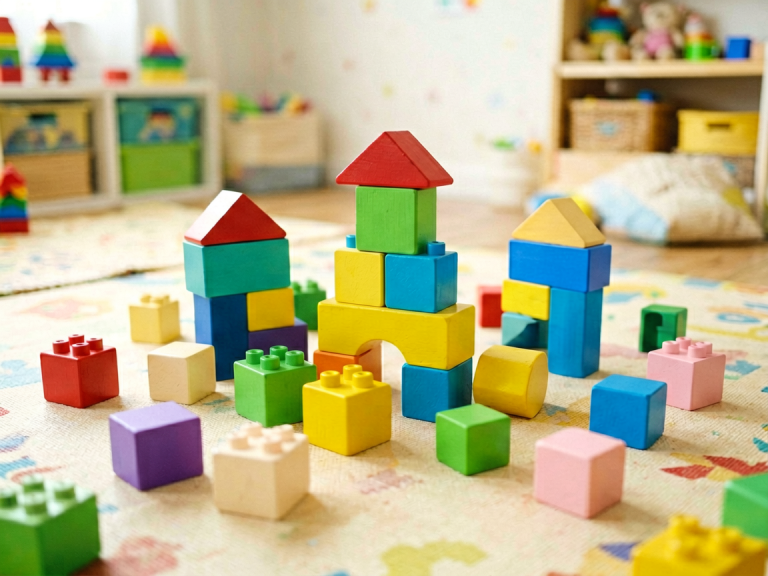
Your home’s layout can dramatically influence screen habits. Make it easy to choose alternatives. Designate a “screen‑free zone” in the living room or in your toddler’s play area—a cozy corner with pillows, a low bookshelf, and a basket of open‑ended toys like blocks, stacking rings, and simple puzzles. Keep the television unplugged or hidden behind a cover when not in use. Store tablets and phones out of sight (and out of reach) so that your daughter does not see them as permanent fixtures.
For toddler girls, the environment should invite imaginative play. Place a child‑sized mirror and a small dress‑up box with scarves, hats, and old costume jewelry nearby—these spark pretend play and self‑expression without any screen. Use low shelves so she can independently access toys. When screens are not visually prominent, the default activity shifts to exploration. One mother I worked with moved the television to a guest room and transformed her living room into a mini “art studio” with washable markers, playdough, and a low table. Her two‑year‑old daughter’s screen time dropped from three hours to under 30 minutes within two weeks, simply because the environment no longer screamed “Turn me on.”
Filling the Gap: Creative and Active Alternatives for Toddler Girls
A child will not miss screens if she is fully engaged in something more interesting. The key is offering a variety of developmentally appropriate alternatives that appeal to toddler girls’ natural curiosities. Here are several categories to try:
1. Sensory and Messy Play
Toddler girls often love tactile experiences. Set up a simple sensory bin with dried rice, beans, or sand, plus scoops, cups, and small plastic animals or dolls. Water play—in a sink, a basin, or during bath time—can occupy a toddler for 30 minutes at a stretch. If you can tolerate a little mess, finger painting with non‑toxic paint on a large sheet of paper (or even on the bathtub walls) builds fine motor skills and creativity. No screen required—just your presence and a few supplies.
2. Outdoor Exploration
Outdoor time is a powerful screen antidote. Toddler girls benefit from unstructured nature play: collecting leaves, watching ants, digging in dirt, or simply running on grass. A short daily walk can become a “listening game” where you both stop to identify bird calls or feel the wind. Even 20 minutes outside boosts mood and reduces the urge for a screen. If you have a small garden or balcony, give her a child‑sized watering can and let her care for a plant. Responsibility and nature together are a potent combination.
3. Pretend Play with a Gender‑Expansive Twist
While many toddler girls gravitate toward dolls and tea sets, try expanding the pretend world. Offer doctor kits, tool sets, animal figurines, or a small “grocery store” with empty food boxes. Engage in role‑reversal games where she becomes the “mommy” and you become the “baby”—this strengthens empathy and language. For a special treat, use a flash-free baby‑friendly camera (not a phone) and let her take pictures of her toys. The act of capturing images becomes a creative, screen‑based activity that she controls.
4. Music and Movement
Turn on a song (no video) and dance together. Clap, stomp, spin, and wiggle. Toddler girls often respond enthusiastically to rhythm. Follow along with simple songs like “The Wheels on the Bus” or “If You’re Happy and You Know It.” You can also provide child‑safe musical instruments—a tambourine, a shaker egg, a small drum—and let her create her own “band.” Music builds auditory processing and coordination while being deeply joyful.
5. Reading and Storytelling
Books are the ultimate screen substitute. For toddler girls, choose board books with bright illustrations, repetitive text, and interactive elements like flaps or textures. Read with animation—use different voices for characters and point to pictures. Even better, create your own stories starring your daughter as the heroine. “Once upon a time, there was a brave girl named Lily who went on a treasure hunt in her own backyard…” This not only reduces screen time but also builds narrative skills and a love of language.
Modeling Healthy Screen Habits as a Parent
Children imitate what they see. If you are constantly scrolling on your phone while your toddler plays, she will instinctively view screens as the most important activity in the room. To reduce her screen time, you must first examine your own. Set a personal goal: no phone use during meals, during the first hour after waking, or during playtime. Put your device in a drawer or a separate room. When you do need to use a screen for work or a necessary task, explain it simply: “Mommy needs to check one message, then the phone goes away.” This honesty builds trust.
Moreover, model alternative activities. Let your daughter see you reading a paper book, gardening, cooking, knitting, or doing a puzzle. When she watches you engage in screen‑free hobbies, she learns that life is rich without glowing rectangles. One father told me his two‑year‑old daughter began “reading” her board books after he started reading his own novel next to her—she copied him without any prompting.
Handling Common Challenges and Staying Consistent
Even the most dedicated parent will face resistance. Toddler girls can be especially persistent when screens are removed—they may whine, tantrum, or repeatedly ask for “Peppa” or “baby shows.” Prepare for these moments with a calm plan.
- The Meltdown: When your toddler begs for more screen time after it’s over, offer a choice between two acceptable alternatives. “Would you like to build towers with blocks or draw with crayons?” Giving a sense of control reduces power struggles. If she still cries, validate her feelings while holding the boundary: “I know you’re sad. Screens are fun. But now it’s time for playing. I’ll sit with you for a minute.” Your presence helps her feel safe.
- The “But Everyone Else Does It” Trap: When visiting relatives or friends who allow unlimited screens, remind yourself that your family’s rules are based on your values. You can politely explain, “We’re trying to keep screen time low right now. She’s been so imaginative with her dolls lately—I’d love for her to keep playing.” Most adults will respect your decision if you share it with confidence.
- Boredom is Not an Emergency. One of the most important lessons for modern parents: boredom triggers creativity. When your toddler girl whines “I’m bored,” resist the urge to hand her a tablet. Instead, say, “Let’s think of something fun to do. Want to make a fort under the table? Or sort socks?” Give her a few ideas, then step back. She may need a few uncomfortable minutes before her own imagination kicks in—but it will.
- Consistency Across Caregivers. If grandparents or babysitters are involved, share your screen‑time limits clearly. Write a brief note or have a friendly conversation: “We keep screens off until after naptime. Here are some fun activities she loves.” When all adults enforce the same rules, your daughter will not learn to negotiate loopholes.
Celebrating Small Victories and Keeping Perspective
Reducing screen time for your toddler girl is not about perfection—it is about progress. Celebrate every 15‑minute block of unstructured play, every time she chooses a book over a tablet, every puddle she jumps in. Notice the changes: she may start making up elaborate stories with her stuffed animals, or she may run to show you a caterpillar she found. These moments are the true rewards.
Remember that the goal is not to make screens evil, but to prioritize connection, movement, and wonder. In a world that constantly whispers “more screens, more content,” you are choosing a different path—one where your daughter learns to find joy in her own hands, her own voice, and her own world. By following the strategies in this guide—setting clear limits, designing a screen‑free environment, offering engaging alternatives, modeling healthy habits, and handling challenges with empathy—you are building a foundation for lifelong well‑being. Your toddler girl will not remember the shows you turned off; she will remember the forts you built, the songs you sang, and the time you spent together, fully present. And that is the most beautiful screen‑free story of all.