The Digital Detox: A Practical Parent Guide to Reducing Screen Time for Preschool Boys
In an era where digital devices are as common as stuffed animals in a toddler's room, parents of preschool boys face a growing challenge: how to reduce screen time without triggering daily battles. The American Academy of Pediatrics recommends no more than one hour per day of high-quality programming for children aged 2 to 5, yet many preschoolers double or triple that amount. For boys especially, the pull of fast-paced cartoons, racing games, and YouTube videos of trains and dinosaurs can become an irresistible vortex. But reducing screen time is not about deprivation—it is about reconnection. This guide offers research-backed, practical strategies tailored to the developmental needs of preschool boys, helping you replace passive scrolling with active, joyful living.
Understanding the Screen Time Challenge for Preschool Boys
Boys at this age (typically 3–5 years old) are wired for movement, exploration, and hands-on experimentation. Their brains are developing rapidly in areas of impulse control, language, and social-emotional regulation—all of which suffer when screens replace real-world interactions. Research shows that excessive screen time in early childhood is linked to attention difficulties, delayed language development, and reduced physical activity. For boys specifically, studies indicate that they are often given more screen time than girls and are more likely to engage with content that is fast-paced and visually stimulating, which can overstimulate their developing brains and make it harder to focus on quieter, sustained activities.
Moreover, preschool boys frequently struggle with transitions—from play to mealtime, from outdoor fun to bedtime. Screens create a dependency that makes these transitions even harder. When a device is turned off, the sudden drop in dopamine can trigger meltdowns, aggression, or withdrawal. Understanding this neurological reality is the first step: your child is not “being bad”; his brain is simply craving the next dose of digital excitement. Your goal is not to eliminate technology entirely but to replace it with experiences that offer deeper satisfaction—connection, movement, and creativity.
Setting Realistic Boundaries: The 3-Step Rule System
Expecting a 4-year-old boy to self-regulate his screen time is like expecting a puppy to skip treats. You need clear, consistent boundaries that are easy for him to understand and for you to enforce. Implement a three-step rule system:
Step 1: Define the “When” and “How Long.”
Decide on specific times for screen use—for example, only after a nap, or only during a 20‑minute window while you prepare dinner. Use a visual timer (like a countdown clock) so he can see the time disappearing. Say, “When the red bar is gone, the iPad goes night-night.” Avoid using screens as a reward for good behavior; research shows this increases a child’s desire for the screen rather than for the behavior itself.
Step 2: Create a “Screen Parking Spot.”
Designate a basket or shelf where all devices live when not in use. Make it a ritual: after screen time ends, your son puts the tablet “to sleep” in the basket. This physical separation reduces temptation and signals that the activity is truly over.
Step 3: Offer One “Oops” Reset per Day.
Perfection is unrealistic. If your son throws a tantrum when screen time ends, allow a one-minute reset: “I see you’re upset. Let’s take a deep breath, and then we’ll find something fun to do together.” The reset is not more screen time; it is emotional coaching. Over time, he learns that the boundary holds, but your compassion remains.
The Unique Needs of Preschool Boys: Why Movement Matters
Preschool boys are biologically designed to move. Their vestibular systems (which control balance and spatial awareness) crave spinning, jumping, climbing, and rough-and-tumble play. Screens, by definition, are sedentary. When you reduce screen time, you must fill that void with movement opportunities—or the energy will explode in undesirable ways (hitting, running around the dinner table, screaming).
Replace passive entertainment with active alternatives:
- Indoor obstacle courses: Use couch cushions, pillows, and chairs to create a simple course. Time your son and challenge him to beat his own record.
- “Heavy work” activities: Carry a stack of books from one room to another, push a laundry basket, or pull a wagon. These activities provide proprioceptive input (sensory feedback from muscles and joints) that calms the nervous system.
- Outdoor roughhousing: Wrestling, rolling down a grassy hill, or playing “monster chase” releases endorphins and builds emotional regulation. Boys who roughhouse with a trusted adult learn to read social cues and control their strength.
A critical note: many parents replace screens with quiet, tabletop activities like puzzles or coloring. While these have value, for a high-energy preschool boy they often backfire. He will seek stimulation elsewhere—perhaps by throwing puzzle pieces. Honor his need for big, loud, physical play first. Then he will be ready for calmer moments.
Creative Alternatives That Actually Work
When you say “no” to a screen, you must say “yes” to something equally compelling. Here are five screen-free activities that preschool boys intrinsically love, with tips for making them succeed:
1. Construction and Destruction Stations
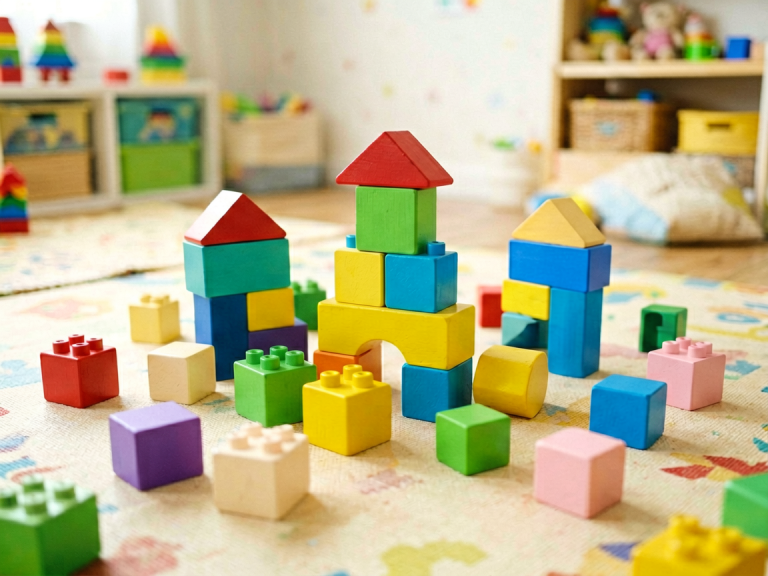
Boys love building—and even more, they love knocking things down. Set up a “construction zone” with blocks, LEGO Duplo, cardboard boxes, and tape. Let him build a tower as high as his shoulders, then announce, “Godzilla is coming!” and let him knock it over. This process teaches physics (balance, gravity) and emotional release in a safe context.
2. Water Play (Indoor or Outdoor)
Fill a shallow tub with water, measuring cups, funnels, plastic dinosaurs, and maybe a drop of food coloring. Water play is hypnotic for preschoolers, fine‑tunes motor skills, and can easily fill 30–45 minutes. If water is a challenge indoors, consider a “sink play” timer: let him stand on a stool at the kitchen sink with a bowl of water and a brush, “washing” plastic toys while you cook.
3. Storytelling with Props
Instead of reading a book (which is excellent but sometimes too passive for a wiggly boy), act it out. Read “The Three Little Pigs” while building straw (yellow yarn) and stick (pencils) houses, then have a hairdryer “blow them down.” Or create a simple puppet show using socks. Boys often express emotions through character play that they cannot verbalize.
4. Nature Scavenger Hunts
Go outside with a list of things to find: something smooth, something bumpy, a leaf bigger than your hand, a stick shaped like a Y. Turn it into a race. The goal is not to collect everything but to move, observe, and talk. Even ten minutes of focused outdoor time resets a child’s mood.
5. Simple Cooking Tasks
Preschool boys can wash vegetables, tear lettuce, stir batter, or sprinkle cheese. Cooking involves measuring (math), sequencing (literacy), and immediate sensory feedback—smell, taste, texture. Plus, they will eat what they help make, solving another common parenting challenge.
Building Healthy Habits Together: The Family Screen Reset
Reducing screen time for your preschool boy works best when the whole family participates. Children learn by watching you. If you are scrolling through your phone while telling him to put his down, you send a mixed message. Try a “family screen fast” for one evening each week: from dinner until bedtime, no devices (except for emergencies). Use that time to cook a simple meal together, go for a walk, play board games, or build a fort in the living room.
Model enthusiasm for screen-free activities. Say, “I’m so excited to turn off my phone and play trucks with you!” Your attitude shapes his. Also, involve older siblings if you have them; ask a brother or sister to lead a game where the preschooler can follow. Peer imitation is powerful at this age.
When to Seek Help: Red Flags Beyond Typical Screen Attachment
While most screen time battles resolve with consistent boundaries and engaging alternatives, some preschool boys display signs of a deeper problem. Screen time can mask underlying sensory processing issues, anxiety, or developmental delays. Consider consulting a pediatrician or occupational therapist if your son:
- Becomes aggressive or inconsolable for more than 20 minutes after screen time ends, every single time.
- Shows no interest in any non-screen activity, even after several weeks of effort.
- Experiences regression in language, potty training, or social skills that coincides with heavy screen use.
- Has difficulty making eye contact or engaging in back-and-forth conversation, but is intensely focused on screens.
The same guidelines for screen reduction apply, but you may need professional support to address the root cause. Remember: you are not failing. Screens are engineered to be addictive, and young boys are especially vulnerable. Your willingness to reduce screen time is a profound act of love.
Conclusion: The Long View
Reducing screen time for your preschool boy is not about perfection. There will be sick days, travel days, and days when you simply need a break. Give yourself grace. The goal is to tip the balance: more mud puddles than pixels, more roaring laughter than robotic voices, more “Look, Mom, I built it!” than “Just five more minutes.” Every hour you reclaim from a screen is an hour of real-world learning: how to wait, how to fall and get back up, how to look someone in the eye and share a story. That is the foundation your son will carry for a lifetime—and he will not remember the games he played on a tablet. He will remember the time you sat on the floor and built a castle with him, then let him be the dragon who burned it down. Start today. Start small. Start together.