The Art of Solo Discovery: Play Activities to Foster Independent Play in Babies
Introduction
In the whirlwind of early parenthood, the ability for a baby to engage in independent play is not merely a convenience—it is a developmental milestone. Independent play nurtures creativity, problem-solving, focus, and emotional self-regulation. Yet many parents wonder how to foster this skill without resorting to screens or constant adult intervention. The key lies in thoughtfully designed play activities that respect a baby’s natural curiosity and growing attention span. From the first weeks of life to the toddler years, babies can learn to entertain themselves, provided the environment is safe, stimulating, and responsive to their developmental stage. This article presents a comprehensive guide of play activities that encourage independent play, organized by age and developmental ability, with practical tips for parents to step back and let their little explorers lead.
Understanding Independent Play: What It Is and Why It Matters
Independent play is any activity a baby engages in without direct adult involvement. It can last anywhere from two minutes for a newborn to thirty minutes or more for an older infant. This time allows the baby to practice motor skills, sensory exploration, and cause-and-effect reasoning without external direction. Moreover, it builds a foundation for later academic focus and self-directed learning. Research shows that babies who have opportunities for independent play develop stronger executive function skills, including impulse control and task persistence. However, independent play does not mean neglect—it means creating a supportive environment and then allowing the baby to choose how to interact with it.
Play Activities for Newborns to Three Months: Gentle Awakening
In the earliest months, a baby’s world is dominated by reflexes, sensory input, and the need for comfort. Independent play at this stage is extremely brief—often just a few minutes of gazing at a mobile or feeling a textured toy. The goal is not to occupy the baby alone for long periods, but to introduce small doses of solo exploration.
High-Contrast Visual Cards and Mobiles
Place black-and-white pattern cards about eight to twelve inches from your baby’s face during tummy time or while they lie on their back. These high-contrast images attract newborn vision and encourage visual tracking. A simple mobile with black, white, and red shapes slowly rotating above the crib can captivate a baby for two or three minutes. Let the baby watch independently without your face in view; your presence can be a distraction at this age.
Soft Textured Play Mats
Spread a soft mat with different fabrics—fleece, satin, corduroy—on the floor. Lay the baby on it and allow them to feel the variations through their back and hands. Some mats include attached sensory tags or crinkle paper. The baby may kick or wave arms, discovering their own body movements. This activity builds body awareness and can keep a newborn engaged for short bursts of time.
Rattles and Gentle Sound Makers
Choose a lightweight rattle that the baby can hold (with assistance) or that hangs within reach. When the baby accidentally bats it and hears a sound, they begin to learn cause and effect. Place a wrist rattle or ankle rattle so that movement produces noise, reinforcing the idea that their actions have results. Even if the baby does not actively reach, the sensory feedback is valuable.
Play Activities for Three to Six Months: Reaching and Grasping
At this stage, babies develop purposeful hand-eye coordination, begin to grasp objects, and show interest in mouthing everything. Independent play can now extend to five to ten minutes. The environment should offer safe, graspable items that invite repetition.
Treasure Basket of Safe Household Items
Create a small basket (without sharp edges) filled with objects that are interesting to a baby: a wooden spoon, a crinkly paper tube, a silicone teether, a small fabric ball, a clean metal lid (large enough not to be swallowed). Place the basket near the baby during floor time. Let them explore by reaching, grabbing, shaking, and mouthing. Do not rearrange the items or demonstrate how to use them; the joy comes from discovery. The variety of textures, weights, and sounds will keep a baby engaged for several minutes of focused play.
Activity Gym with Hanging Toys
Use a play gym or a simple arch with dangling toys at different heights. Lie the baby underneath so they can bat, pull, and kick the toys. The toys should be easy to grasp and make sounds when hit. This builds upper body strength and spatial awareness. For independent play, avoid toys that require adult activation; the baby’s own movements should be the trigger.
Mirror Play
Place an unbreakable baby-safe mirror on the floor, propped against a wall or in a sturdy stand. Lay the baby on their tummy or back in front of the mirror. They will be fascinated by the “other baby,” making faces, reaching out, and babbling. This social-emotional exploration is entirely self-directed and can hold attention surprisingly well.
Play Activities for Six to Nine Months: Sitting and Shifting
Once babies can sit independently, their world expands dramatically. They can manipulate objects with both hands, transfer items from one hand to another, and begin to understand object permanence. Independent play sessions may last ten to fifteen minutes. The key is to provide objects that encourage repetition and problem-solving.
Stacking Cups or Nesting Bowls
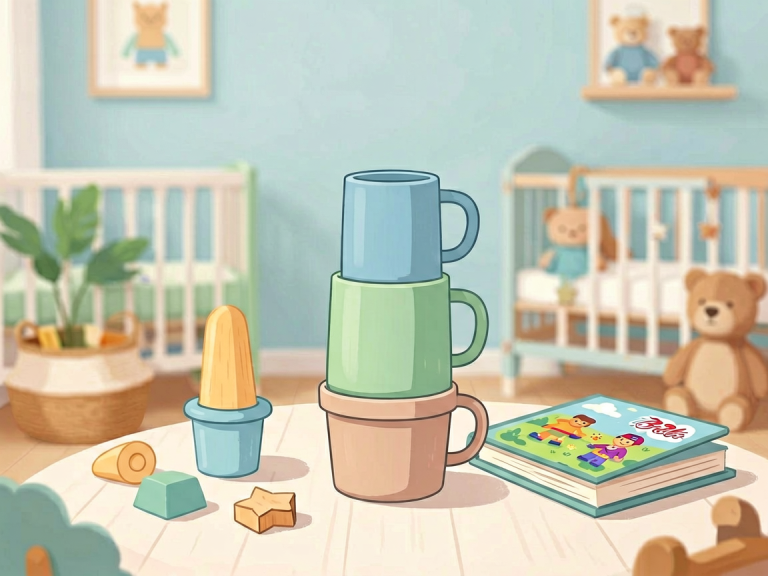
A set of simple plastic or silicone stacking cups offers endless possibilities. The baby can try to nest them, knock them down, or bang them together. Initially, they may only knock over a stack you built, but soon they will attempt to put cups inside each other. This activity teaches size discrimination and fine motor coordination. Present three to four cups and let the baby explore. Resist the urge to demonstrate; the learning is in the trial and error.
Push-Pull Toys for Floor Play
For a baby who is beginning to crawl or creep, a lightweight push toy (like a small plastic car or a rolling ball) can motivate movement. Place the toy just out of reach so the baby must shift or crawl to get it. Once they grab it, they may roll it back and forth. This combines gross motor development with cause-and-effect delight.
Simple Cause-and-Effect Boxes
A cardboard box with a hole cut in the top, and a few soft balls or blocks, can capture a baby’s attention. Show the baby how to drop a ball through the hole (once), then hand them the ball and let them try. Even if they cannot master the action, they will enjoy putting things in and taking them out. A “pop-up” toy where pressing a button makes a character spring up is also excellent. Ensure the buttons are large and easy to press independently.
Play Activities for Nine to Twelve Months: Mobile Explorer
At this age, babies crawl, cruise, and sometimes walk. They have a strong drive to move and explore. Independent play can now last up to twenty minutes, but the baby may want to check in with you visually before resuming. The environment must be safe for exploration and offer open-ended materials.
Discovery Bottles and Sensory Jars
Fill clear plastic bottles (with tightly sealed lids) with rice, colored water, small plastic beads, or glitter. The baby can shake, roll, and spin the bottles, watching contents move. These are fascinating and require no adult participation. For variety, use bottles with different sized openings (like a small water bottle versus a large juice bottle) to encourage grasping and transferring.
Board Books and Fabric Books
Place a small basket of sturdy board books or fabric books with crinkle pages, flaps, and textures within easy reach. The baby can flip pages, chew corners, and point at pictures. Choose books with simple, bold images and minimal text. The baby will “read” alone, mimicking the experience of being read to. This builds pre-literacy and fine motor skills.
Obstacle Course with Cushions and Pillows
Arrange a soft obstacle course: a small ramp made of a pillow, a tunnel formed by a cardboard box, and a low stool to cruise around. Let the baby navigate freely. The challenge of moving over different surfaces engages problem-solving and gross motor planning. Stay nearby for safety but do not direct the baby’s movements.
Play Activities for Twelve to Eighteen Months: Toddler Independence
As babies transition into toddlerhood, independent play becomes more imaginative and purposeful. They can now engage in simple pretend play, sort objects, and use tools (like a small spoon). Sessions of independent play may extend to thirty minutes, especially with engaging materials.
Pretend Play Kitchen or Tool Set
Provide a small play kitchen, a set of plastic dishes, or a toy tool bench with safe tools. The toddler will mimic daily routines: stirring a pot, pretending to feed a stuffed animal, or “fixing” a chair. This symbolic play is a sophisticated form of independent learning. Keep the set simple—a few utensils and a pot are enough. Too many pieces can overwhelm.
Puzzles with Large Knobs
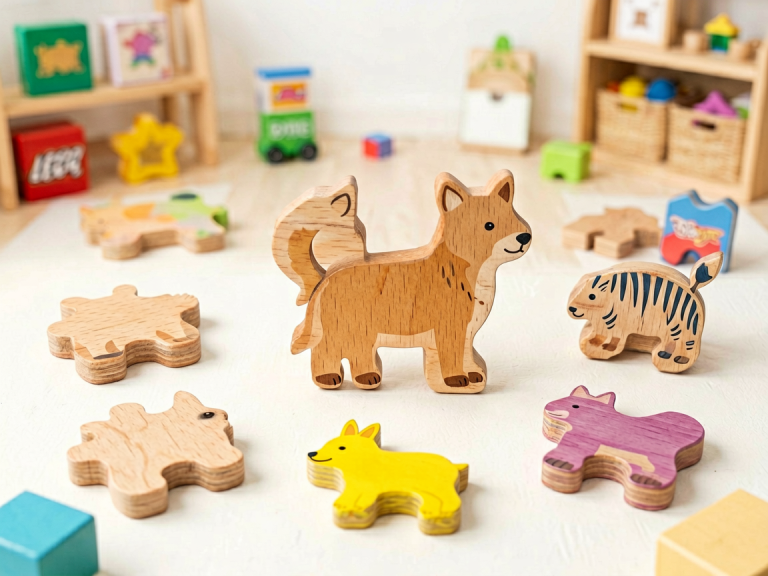
Wooden puzzles with one piece per cutout and large knobs challenge toddlers to match shapes. Start with circle, square, and triangle. The toddler may need repeated attempts, but the satisfaction of fitting a piece is powerful. Place the puzzle on a low table or tray so the child can access it independently.
Sorting and Pouring Activities
Set up a tray with two bowls and a small scoop (like a child’s spoon or a measuring cup) and a large container of uncooked rice, dried beans, or oatmeal. The toddler can scoop, pour, and transfer materials between bowls. This repetitive action builds hand strength and concentration. Supervise to avoid ingestion of small items, but allow the baby to make a mess—it is part of learning.
Tips for Encouraging Independent Play Without Pressure
Creating opportunities for independent play is not about forcing a baby to be alone. It is about offering an inviting environment and then taking a supportive step back. Here are guiding principles:
- Observe first. Watch what your baby is drawn to. If they keep reaching for the wooden spoon, leave it out. Follow their interest.
- Limit toy rotation. Too many choices overwhelm a baby. Rotate a small selection of toys weekly to keep novelty without clutter.
- Stay nearby but uninvolved. Sit within view but busy with your own quiet activity (reading, folding laundry). Your presence provides security, and your calm focus models independent engagement.
- Wait before intervening. If a baby struggles to reach a toy or seems frustrated, give them five to ten seconds to try again before stepping in. This teaches persistence.
- Respect the moment. When a baby is deeply engaged, do not interrupt to praise or redirect. Let the play flow naturally.
- Set up safe zones. Use a playpen or gated area with soft flooring so you can step away briefly without worry.
Conclusion
Independent play is a skill that unfolds gradually, rooted in trust and environment. By offering simple, open-ended play activities that match a baby’s developmental stage, parents can cultivate a child who is curious, resourceful, and capable of self-amusement. From the newborn gazing at a mobile to the toddler pouring rice into a bowl, each moment of solitary exploration contributes to a foundation of concentration and joy in discovery. Remember that the goal is not perfection—a baby will not play independently all day. But short, frequent opportunities, combined with your warm and patient presence, will nurture a lifelong love of learning and self-directed play. The next time you see your baby happily lost in a world of their own making, you will know you have given them one of the greatest gifts: the confidence to explore alone.